
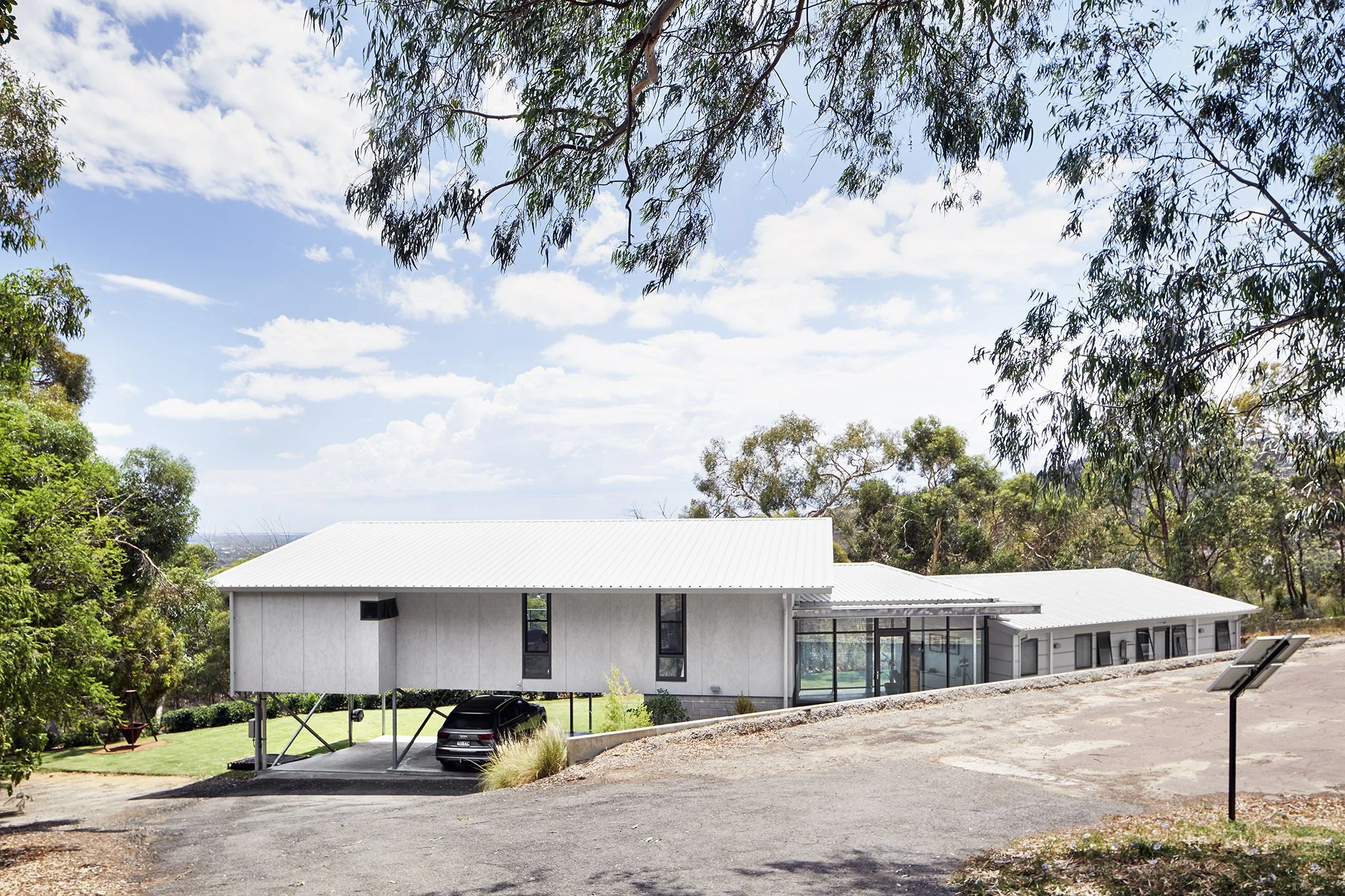
Colorbond roofing has cemented itself as the go-to roofing option used on virtually all new home builds in Australia. Considering this, we thought it high time that we write a guide on everything you need to know when choosing your Colorbond roofing, from the different colours, profiles, details and, of course, some additional trade secrets to help you along the way.
WHAT IS IT AND HOW IS IT MADE?
Colorbond is a pre-painted steel sheeting product. It’s made using sheets of BlueScope steel that are coated in an aluminium, zinc and magnesium alloy, called ZINCALUME®, which provides corrosion resistance and longevity. The sheets are then painted in Colorbond’s range of colours and finishes, most of which have Thermatech® technology that reflects more of the sun’s heat to keep your home cooler and reduce energy usage. If you live in a more extreme environment, like near the coast, a higher-grade Colorbond Ultra steel is also available. After being painted, it’s sent to the supplier and formed into different profiles through a process called rollforming; the flat sheets are fed through specially-designed rollers that shape the steel and cut it to length. Here at Arklen, we source most of our Colorbond steel from Fielders.
COLOURS
Colorbond roofing comes in 22 different colours, all of which can be found here. For more high-end options, a few of these also come in a matte finish. If these don’t meet your needs, you can also order a custom finish in virtually any colour—although as these disrupt the supply chain, they’re likely to be significantly more expensive.
When choosing your colours, it’s your personal aesthetic preferences that should play the most significant role. If you’re finding it difficult to choose, though, we have a few tips worth keeping in mind:
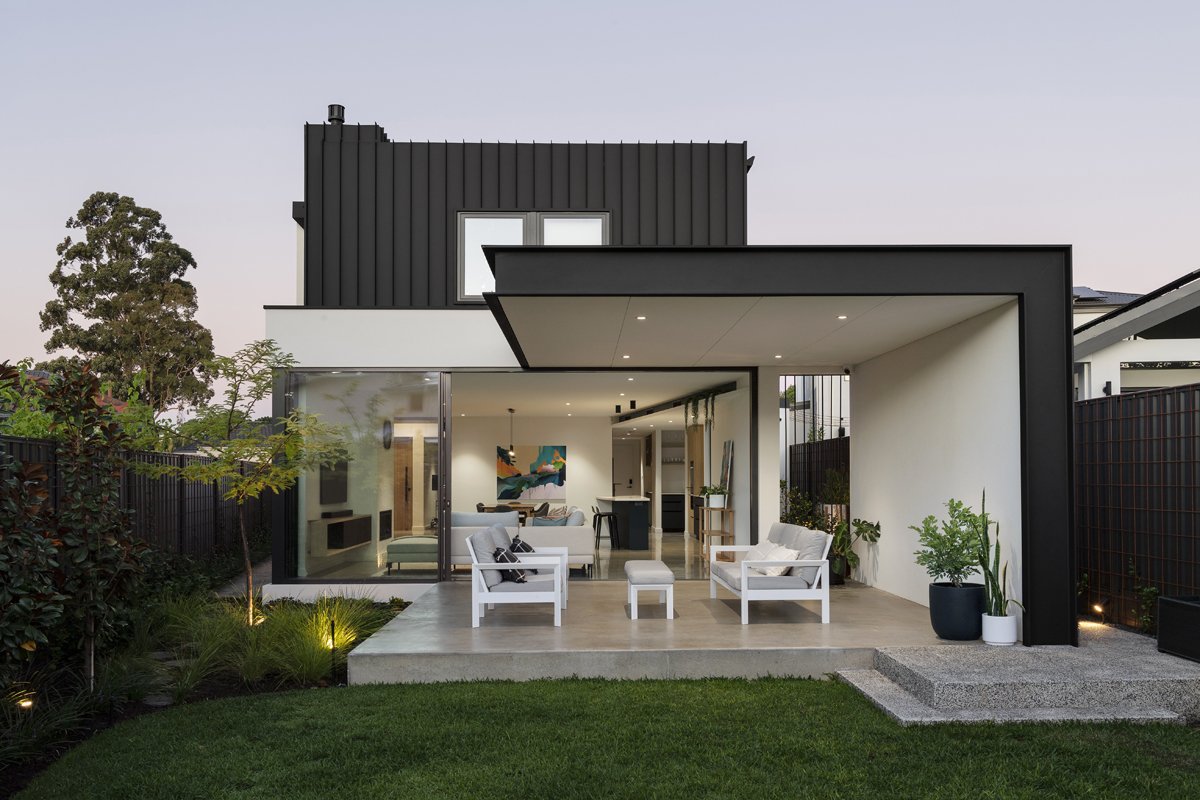
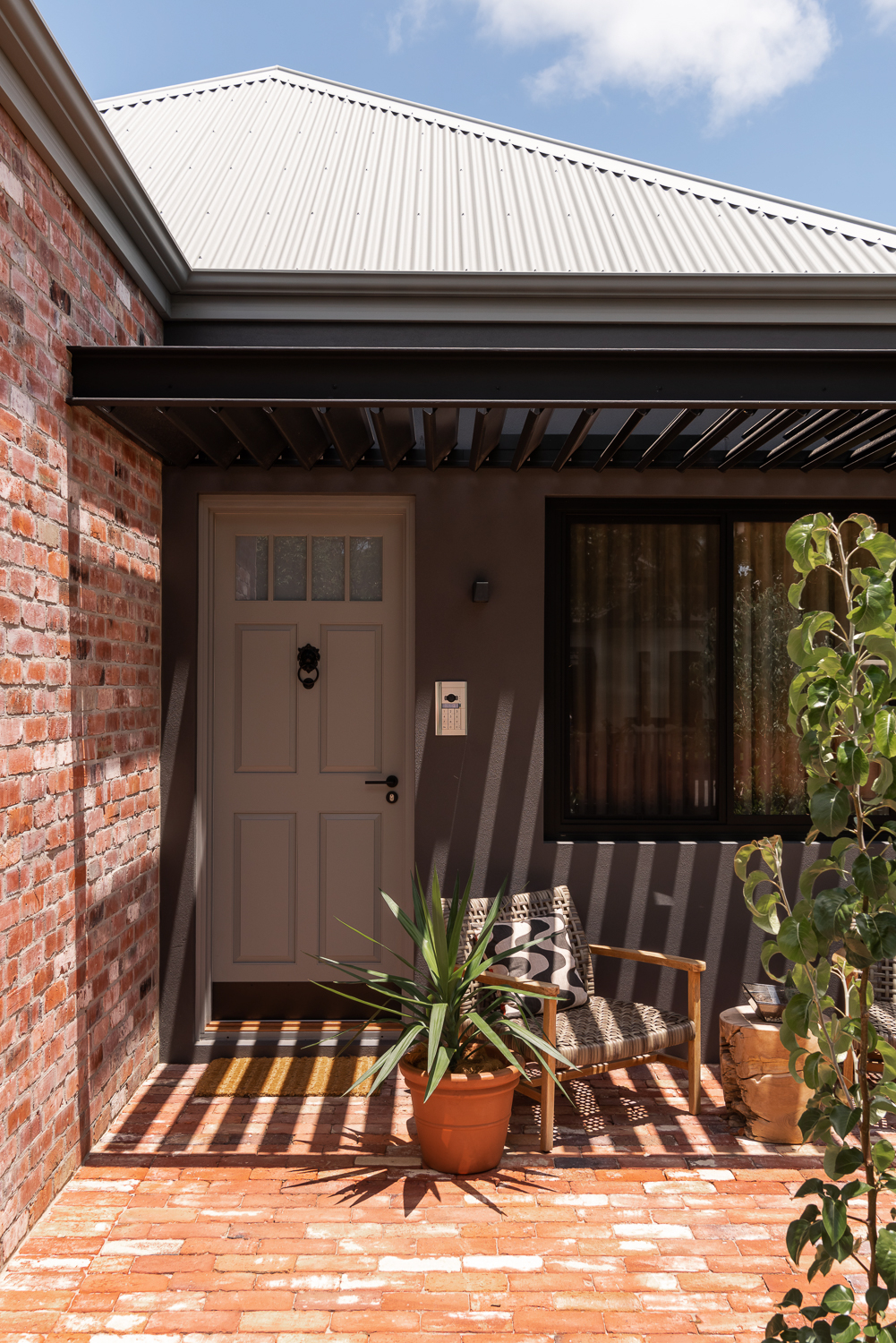
For a cohesive look, match your other roof accessories, like exhaust fans, flumes and skylights, with the colour of the roof.
You can also match your window frames, as these can be painted or powdercoated in Colorbond colours, such as using Dulux paint or Interpon Powder Coating.
For energy efficiency, lighter colours will reflect significantly more heat than dark colours.
PROFILES
A roof profile refers to how your roofing sheet is shaped—whether it’s flat or corrugated, and the height and spacing of the ribs. Your choice will largely be influenced by the pitch of your roof. This is because the roof profile will impact water drainage; while a high-pitched roof will drain quickly, a low-pitched roof will drain slowly and, as such, will need higher ribs to avoid water build-up.
Kliplok
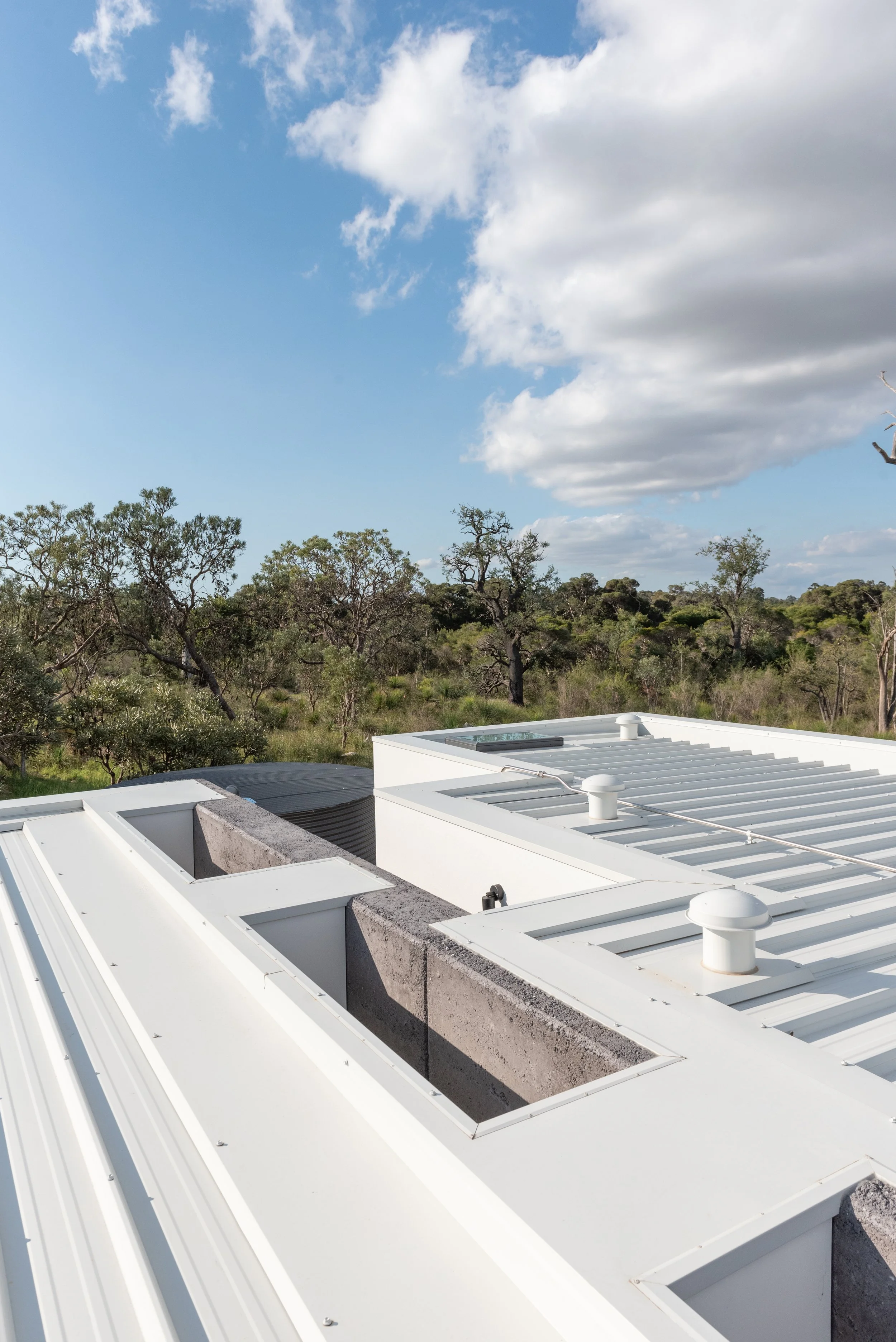
Kliplok roofing is the most expensive, but most durable, standard roofing option. It has 43mm high ribs that are widely spaced apart to accommodate more water build-up. It also has an interlocking design and is fixed to the roof using concealed clips—rather than screw fixings that pierce the metal—which creates a completely watertight seal. All of this makes Kliplok profiles suitable for the flattest roofs, with a minimum roof pitch of 1°.
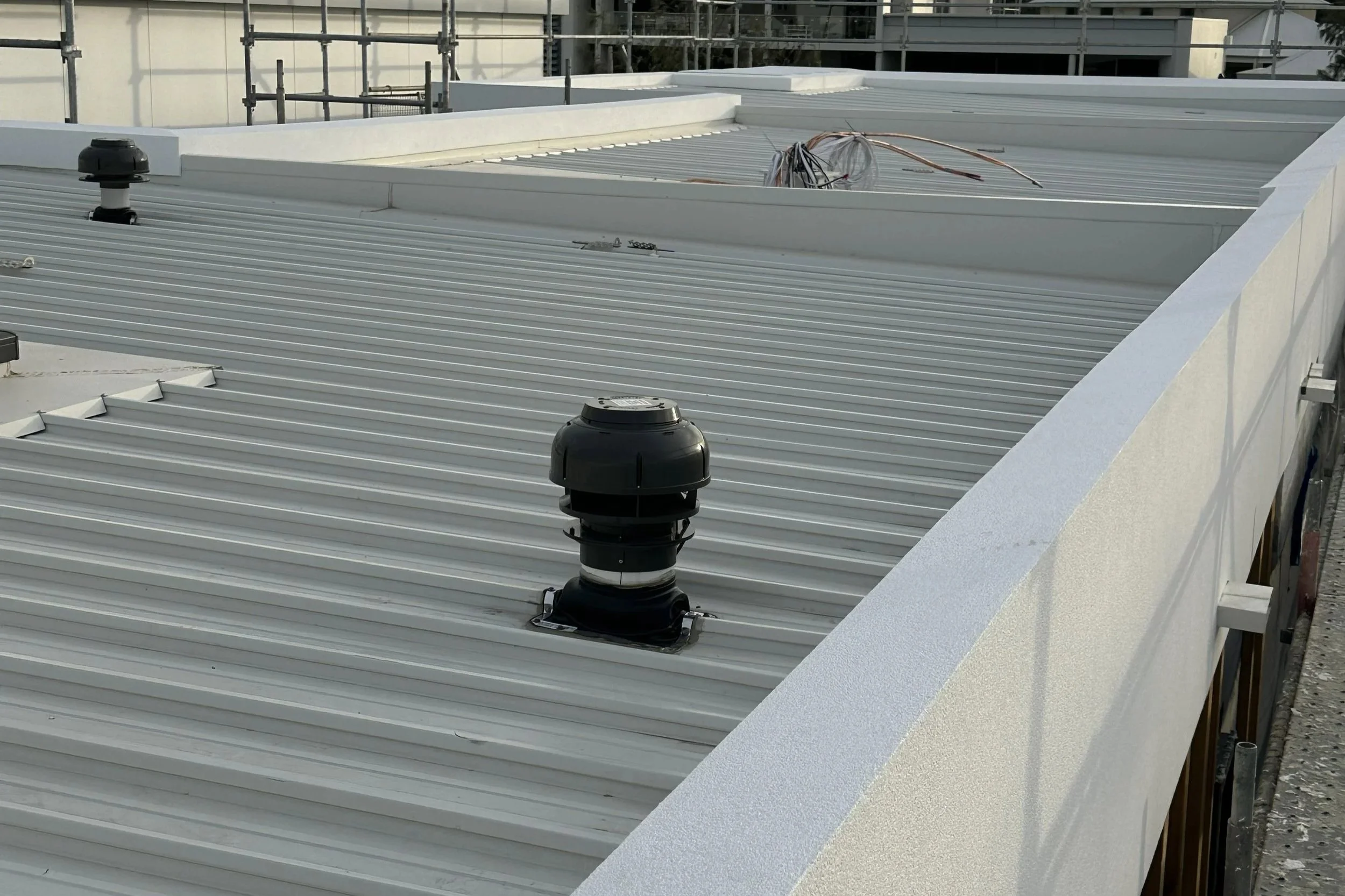
Kliplok at our North Coogee project, currently under construction.
Trimdek
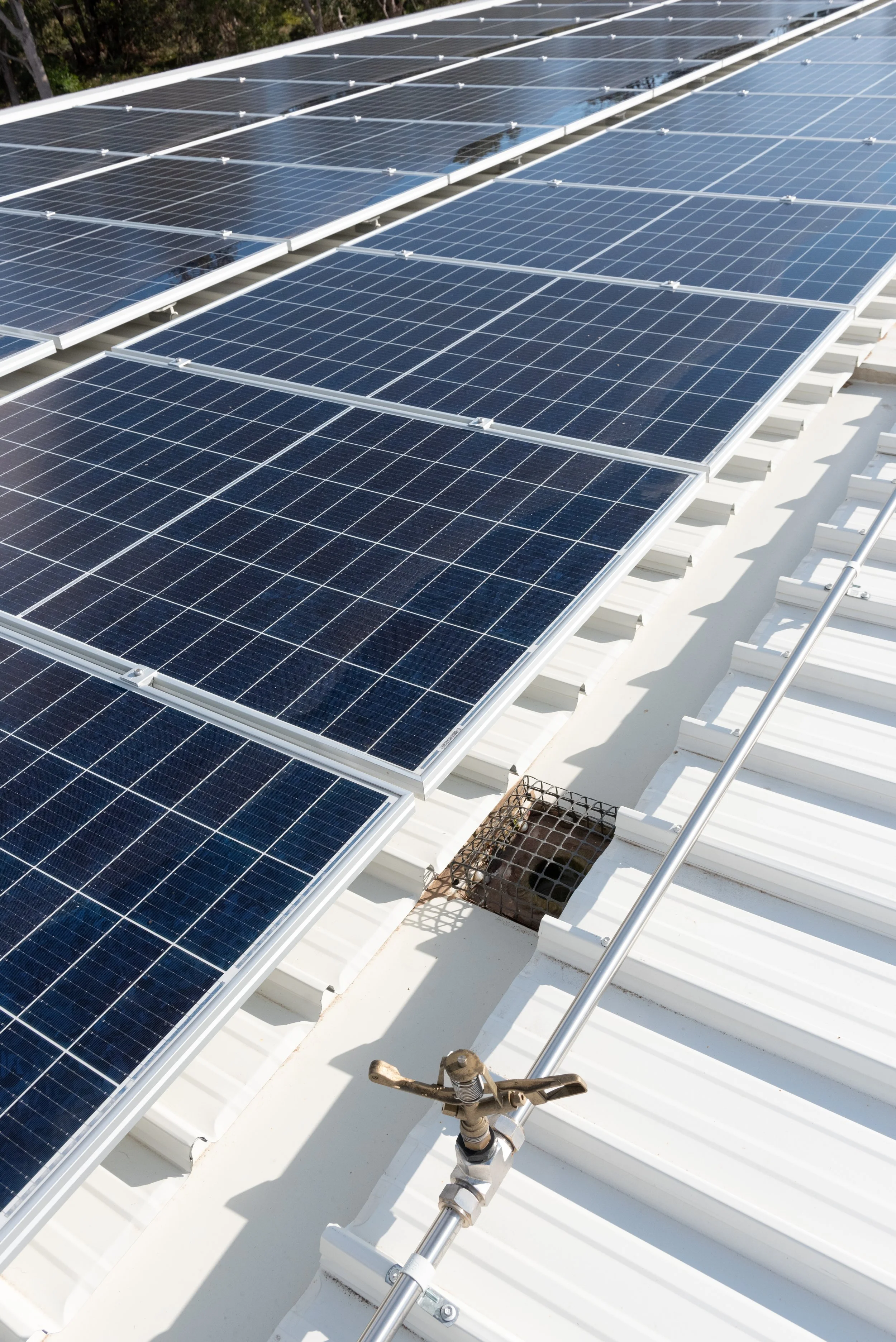
Trimdek roofing has standout trapezoidal ribs that give it a sleek, contemporary aesthetic. These are 29mm high and well spaced apart, meaning that while Trimdek may not drain water as effectively as Kliplok, it can still be installed to a roof pitch as low as 2°. It is, however, typically fixed with screw fixings that are visible and increase the likelihood of water ingress due to the material expanding and contracting with the temperature. For an extra cost, concealed fixings are also available.
Custom Orb
Custom Orb roofing has your more traditional wavy corrugations that are 16mm high. As such, it’s only suitable for a roof pitch of 5° or higher. Like Trimdek, it’s fixed with screws and can be impacted by temperature fluctuations. It is, however, very strong and better able to cope with the higher wind- loads that can come with high pitched roofs. It’s also the most cost-effective solution and can be sourced to almost any length—although the maximum length for transport on Australian roads is 13m.
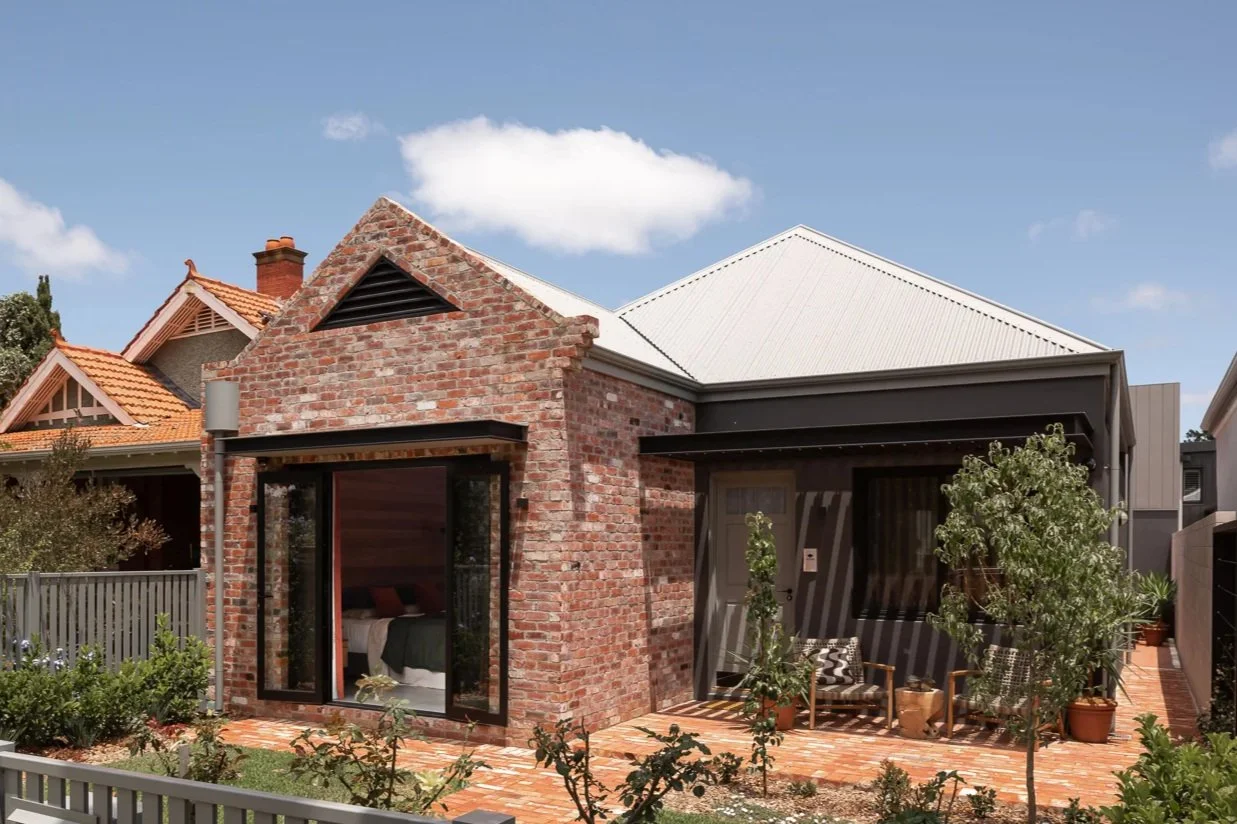
Custom Orb at our project in Claremont, with a custom rib depth.
Standing seam
Standing seam roofing offers a higher-end, architectural alternative to Kliplok and Trimdek (and comes with added costs to reflect this). It’s highly customisable but usually has thin ribs, a wide tray and concealed fixings for a clean, elegant profile. The height of the ribs can vary depending on your needs and, as such, it can be suitable for roof pitches as low as 1°.


Best option by roof pitch
If you already know your roof pitch, it may be easier to cross reference it this way:
Almost flat: Roofs with a pitch between 1° and 2° must use Kliplok or customised standing seam.
Slight pitch: Roofs with a pitch between 2° and 5° can use Kliplok, Trimdek or standing seam.
High pitch: Roofs with a pitch of 5° or more are suitable for all profiles, although Custom Orb is best for areas with strong winds.
Roof profile tips:
Opting for a pitch of more than 5 degrees will keep your roof cleaner, as water run off helps remove dust and debris.
If screw fixings are required, opt for the longest possible sheet lengths to reduce the risk of water ingress, and prioritise lighter colours that will experience less temperature fluctuation.
If the screws will be visible, careful install is critical to ensure screw lines are perfectly straight.
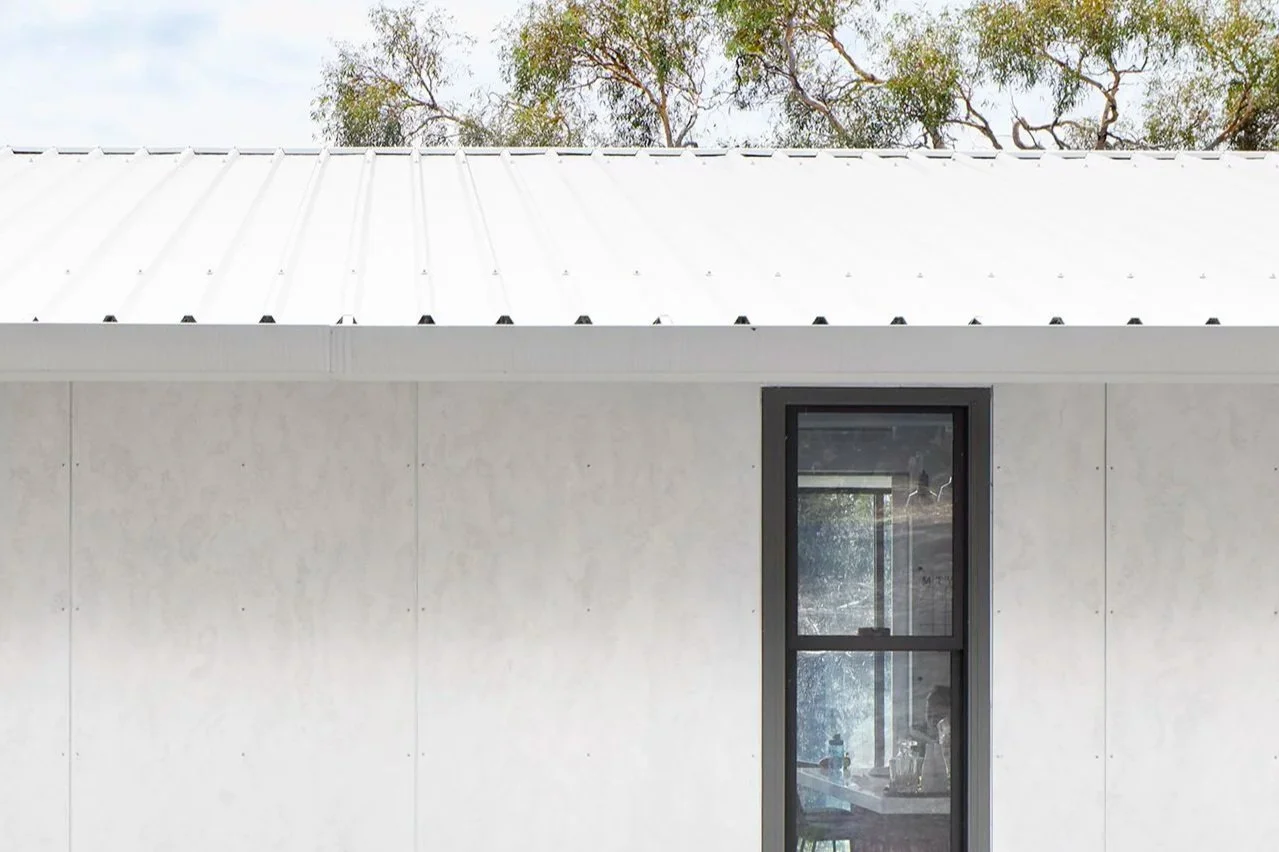
In clear view from the driveway, off-kilter screw lines would have been very noticeable at our Gooseberry Hill project (with Trimdek roofing in Shale Grey).
GUTTERS
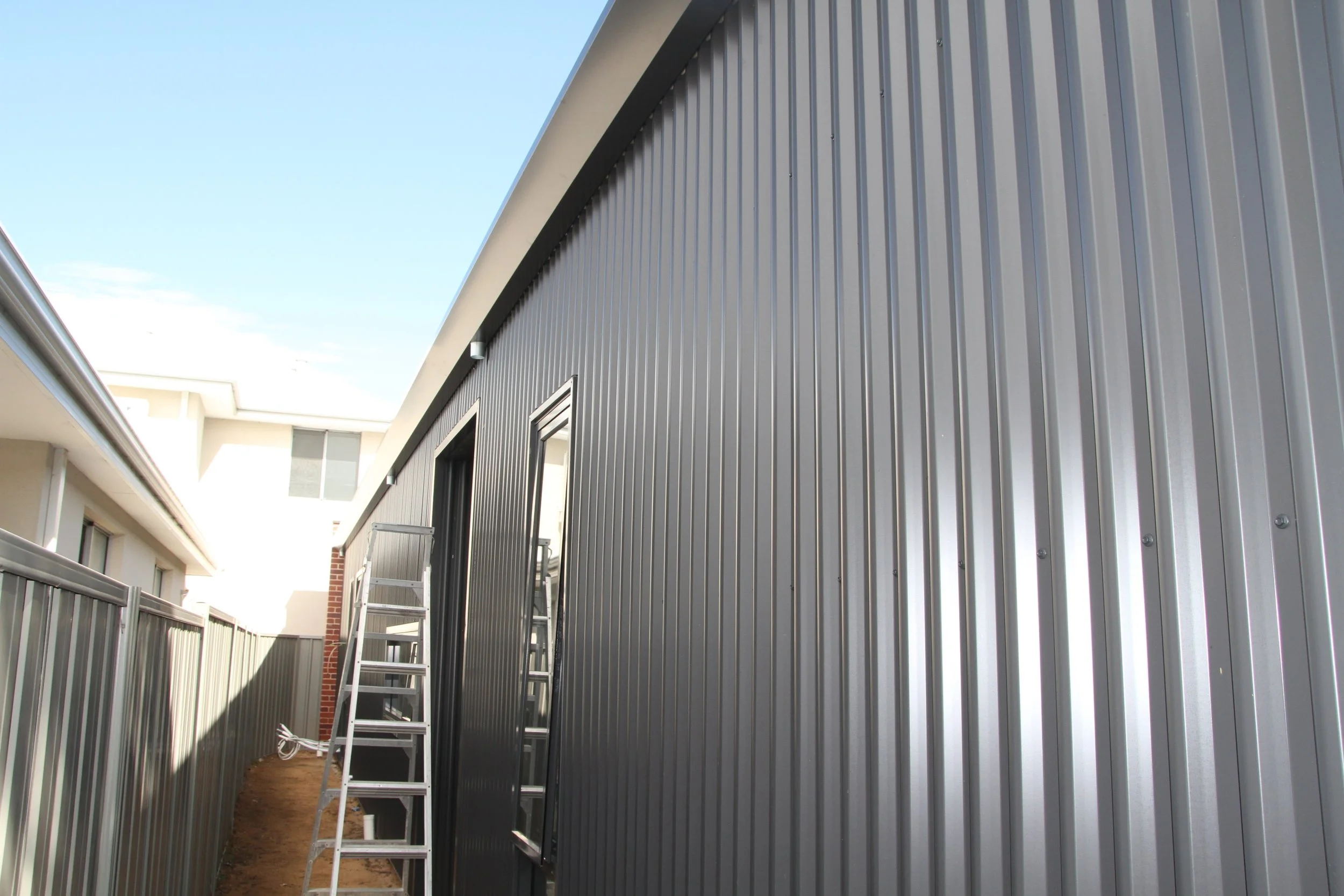
As your gutters will need to complement your roof profile, it’s a good idea to think about these at the same time as your roofing. They can be made with all Colorbond’s colour variations and come in a wide range of styles, sizes and profiles, including custom. Check out some variations, from Fielders, here.
ADDITIONAL TRADE TIPS
Anticon insulation: While not legally required in Australia, we highly recommend installing Anticon underneath any metal roofing to prevent condensation, protect the structure against moisture damage and, of course, provide an additional insulating barrier.
Reduce the risk of rust: Ensure your builders blow down the roof after installation, as metal shavings can cause rust.
Colorbond consultant: While these decisions can all be made with your architect, it can be helpful to bring in a Colorbond consultant for more specialised advice.
If you’re currently or soon to be building new, decisions around roofing and Colorbond are inevitable. If you need more advice or are considering a new home build (whether using Colorbond or not), feel free to get in touch.