
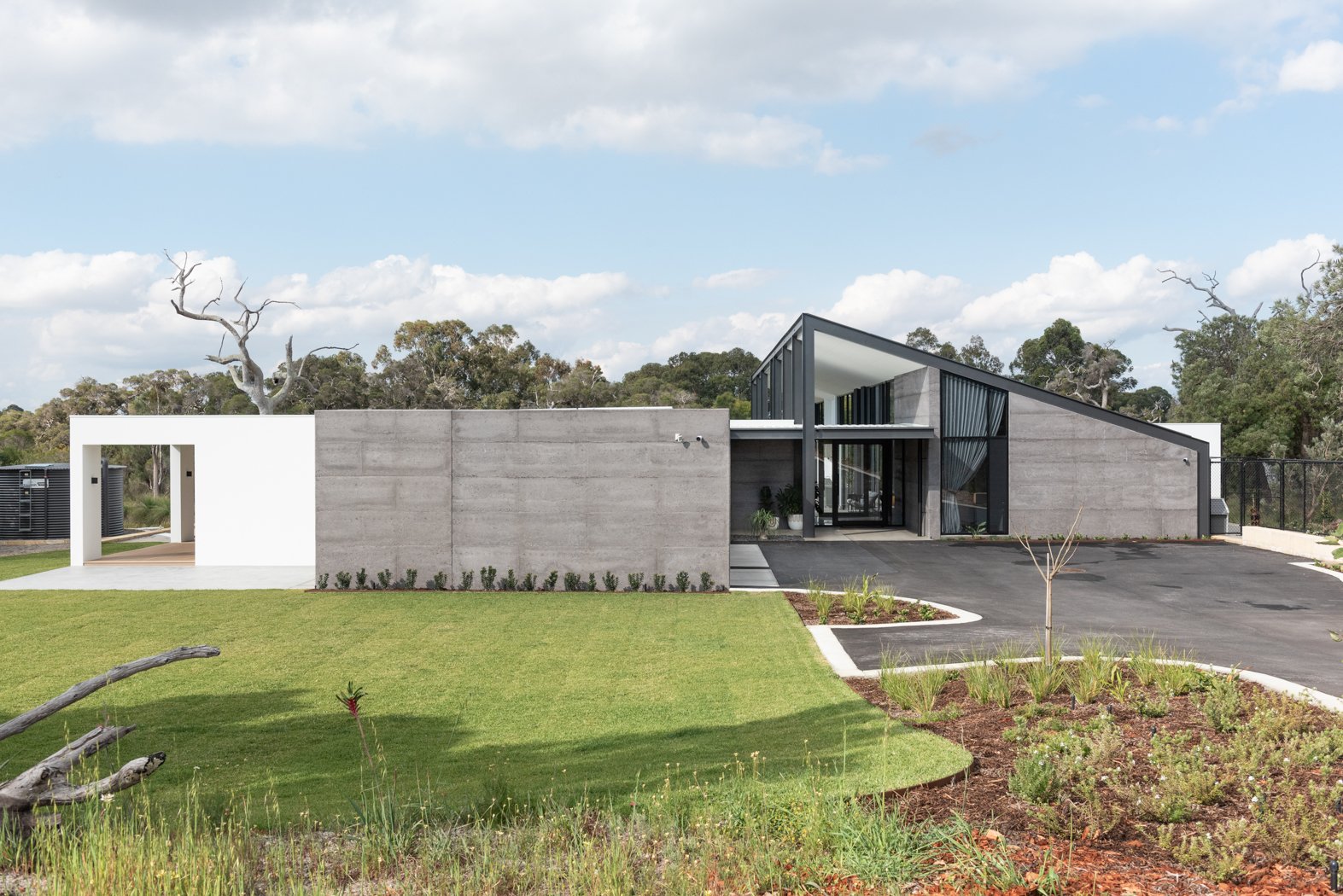
Across Australia, more and more families are choosing to live with multiple generations under one roof. Even more are planning to age in place, choosing homes that will adapt to their needs as circumstances change. Whatever the reason, we at Arklen have certainly noticed an increasing number of briefs that incorporate elements of multigenerational design. So, it’s the perfect time to explore the benefits of multigenerational living and what you need to consider if you want your home to be suitable for it.
BENEFITS OF MULTIGENERATIONAL LIVING
Family connections
One of the most significant benefits of multigenerational living is that it encourages a lifestyle that’s a bit closer to community living. Parents can get help with the kids, children can be raised by a wider network of people, and grandparents get to spend more time with the grandkids. Then, later on, adult children can provide care to aging parents. And, through it all, familial connections and other forms of support are only a room away.
Financial benefits
With the housing market—and economy—in the state it’s in today, we wouldn’t be surprised if it’s the financial benefits that ultimately convince you. Because multigenerational households are inherently more efficient. They make the most of a single plot of land, and let families split the mortgage and living costs between more people. And it doesn’t need to be permanent; it’s become increasingly common for adult children to move back in with their parents while they save for a house deposit. As for those hoping to age in place, you’ll likely see significant savings by avoiding stamp duty, moving costs and, most of all, residential care.
Buyer’s appeal
When the time does eventually come to sell, multigenerational designs are generally higher value. Additional bedrooms, flexible layouts and self-contained spaces all add to the value of a home. As they meet a range of needs, they’ll also appeal to a broader range of buyers, from those who often host guests to downsizers that need accessible design.
KEY DESIGN CONSIDERATIONS
Privacy
The more people you have living under one roof, the more important it is to seriously consider how each person will be able to get the privacy they need. Solutions will vary depending on your specific block, but a few worth considering include:
Bathrooms: To avoid fights over who’s next in line, additional bathrooms are a must. Even better, include ensuites in all adult bedrooms.
Bedroom layout: Ensure that bedrooms are located away from the communal living areas so there’s minimal disturbance between the early risers and night owls.
Sound insulation: Consider adding additional acoustic insulation to reduce noise disturbance and improve privacy.
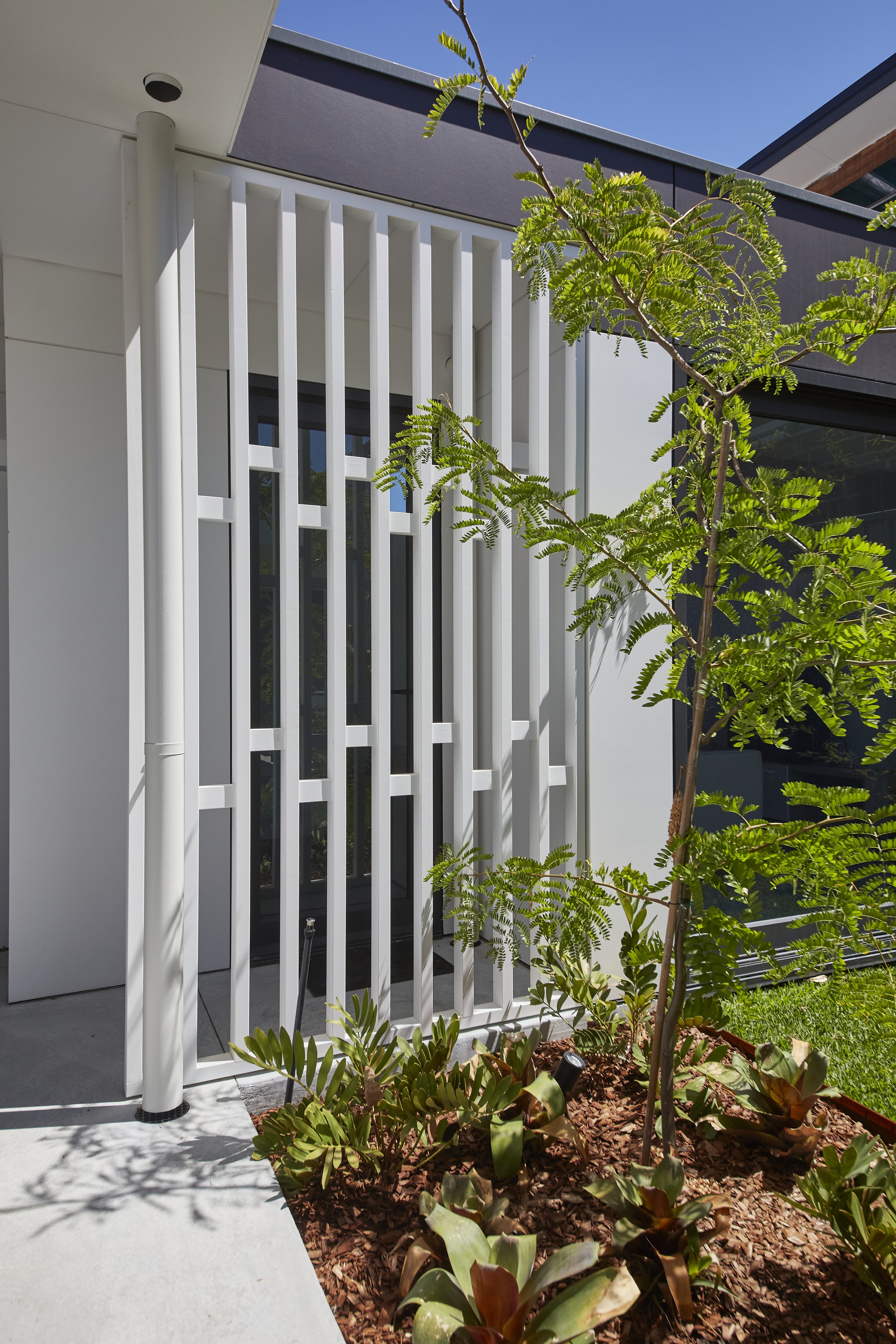
Privacy screens: Consider privacy screens where you need some level of privacy but don’t want to block natural light.
At one of our Ardross projects, privacy was achieved with an ancillary dwelling for the client’s parents. This was separated from the main house with a privacy screen of potted plants, which reduced vision without closing in the back courtyard.

Self-contained spaces
This brings us to the importance of separate living spaces. These can be partially or fully self-contained and allow each generation to maintain a level of independence. They can be incorporated into the main building or even built as a separate ancillary dwelling. Either way, it’s a good idea to include a separate entrance for added privacy and, in future, the flexibility to transition the space into accommodation.
Importantly, ancillary dwellings often have restrictions on size and design which can be confusing—and worth speaking to your designer about. It may, however, be possible to bypass these by connecting the dwelling to the main house with, for example, a breezeway.
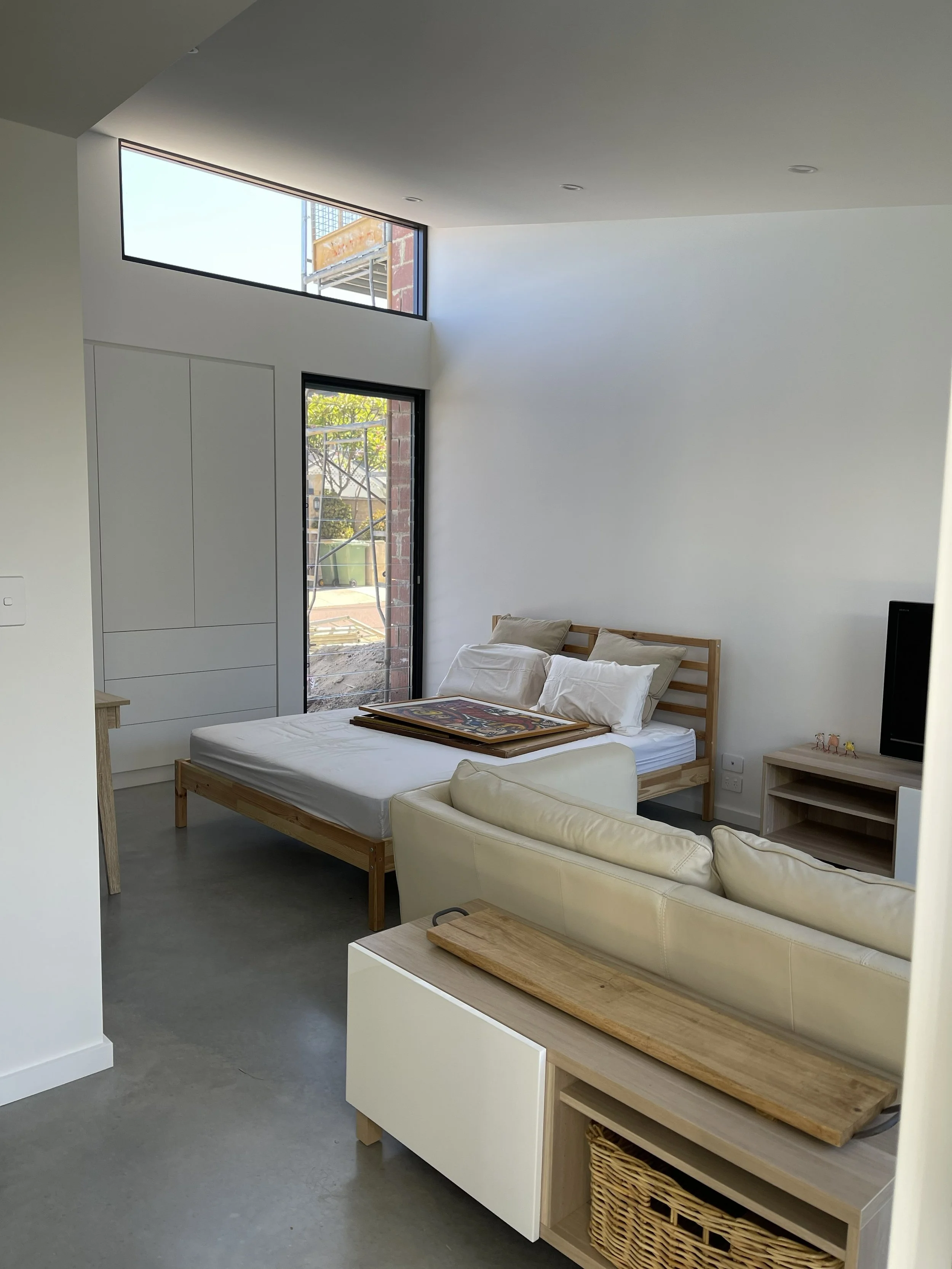
At our Salter Point project, an ancillary dwelling connected by a breezeway provides a self-contained space for our client’s elderly relative. With this, they could be close enough that support was nearby if needed, but not so close that they lost their independence. And, to top it off, the dwelling was built with its back to the street, to create a private internal courtyard for both residences.
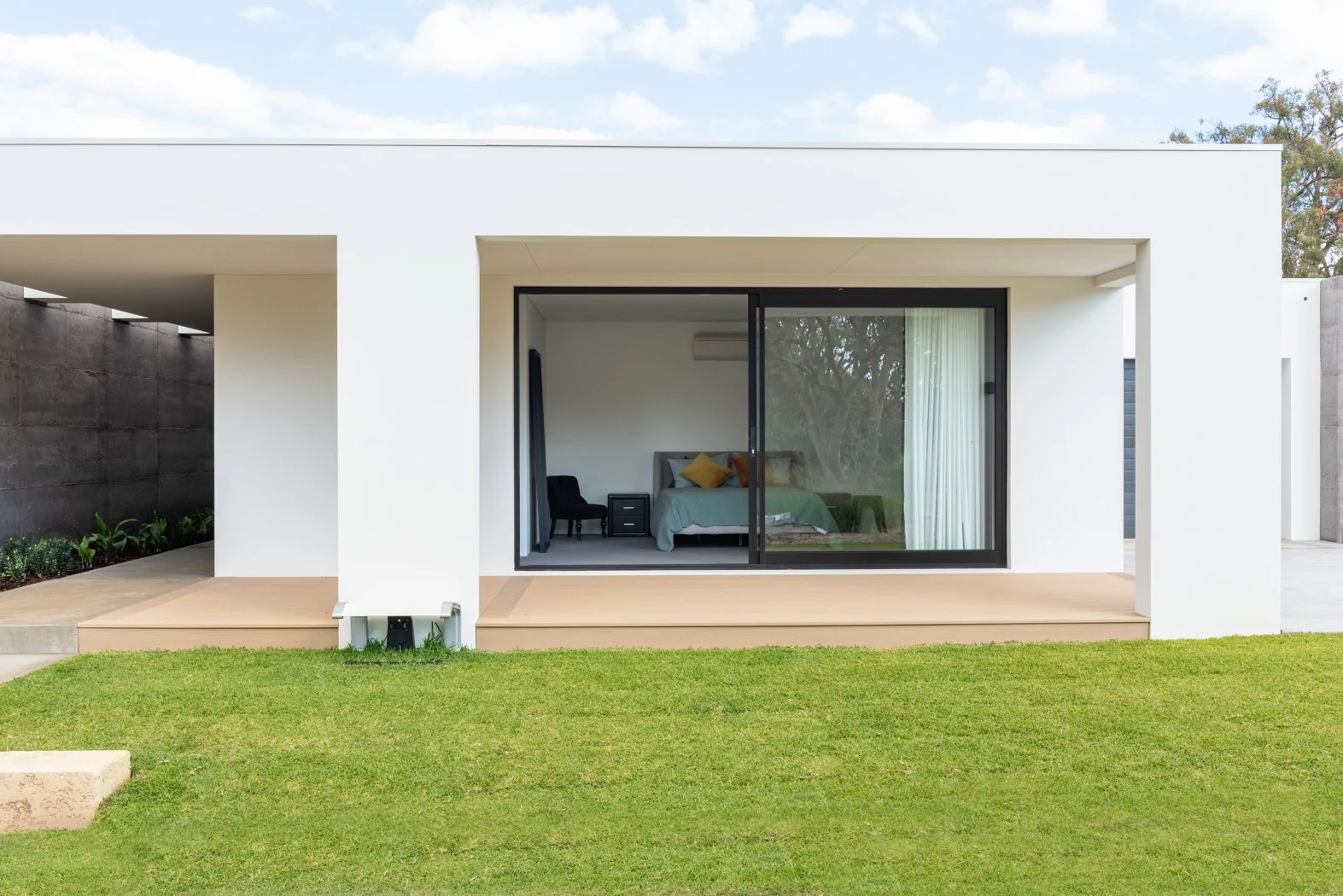
At our Banjup project, a guest suite is connected to the main house with a breezeway that leads to a separate entry. This is partially self-contained with its own mini bar and microwave.
Accessibility
If there are going to be older generations in the home, or you plan to age in place, then accessibility should be one of your top priorities. Some design elements to consider include:
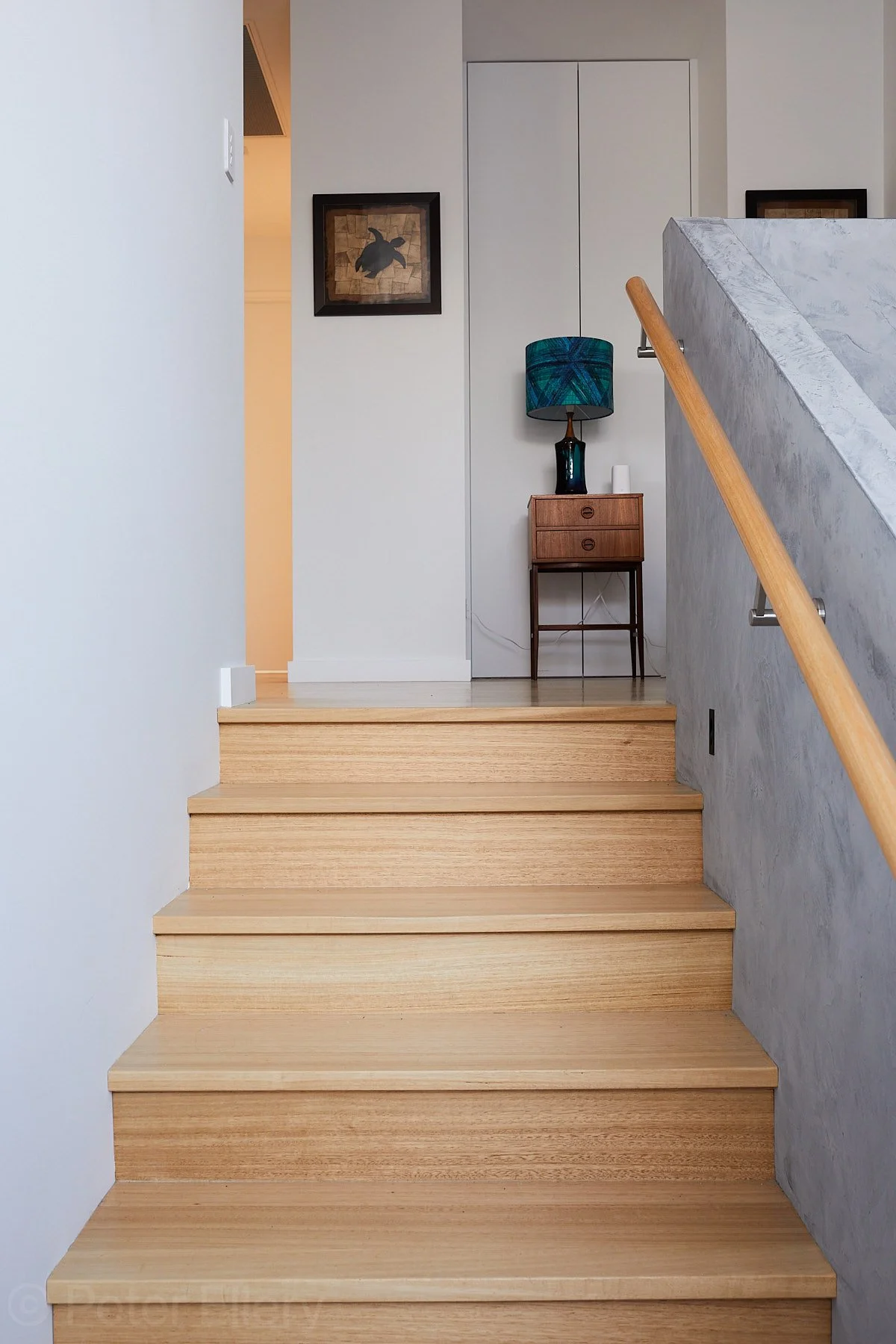
Layout: Where possible, a single storey house is ideal. If this isn’t possible, though, make sure to include bathrooms and bedrooms on the ground floor and consider including provisions for a lift.
Entryway: Ensure a smooth transition from the car to the house with a step-free entrance. Where necessary, install a ramp instead of steps.
Floor: Similarly, consider your flooring selections to ensure they’re non-slip and safe. Transitions between flooring should also be smooth – learn about seamless floor transitions here.
Door openings: Install wider door openings in spaces often used by elderly family members, especially if they require walking aids.
Fixtures: Choose fixtures, such as light switches, door handles and plumbing, that are designed for universal accessibility. This could be throughout or in specific areas where aging family members are likely to spend most of their time.
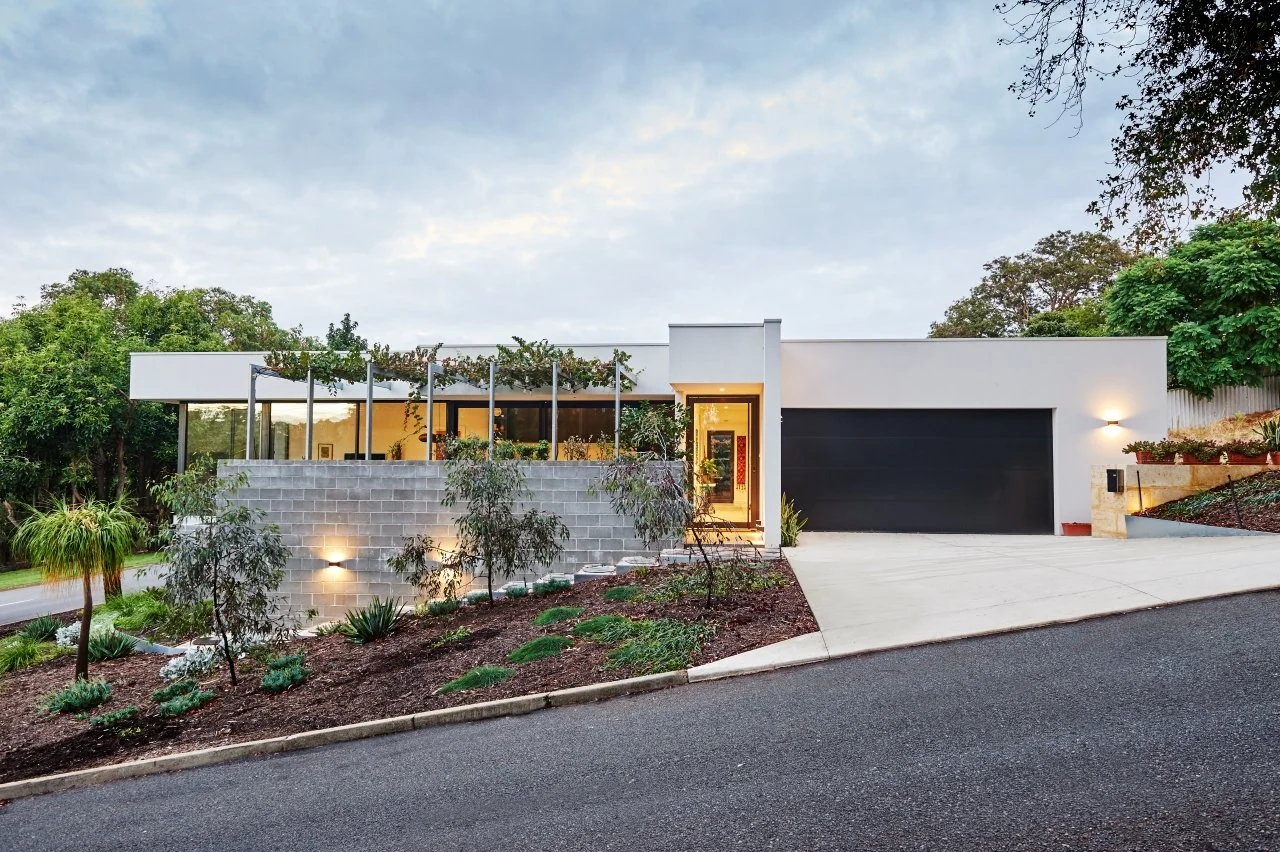
At our Mount Pleasant project, our clients were on the verge of retiring, so accessibility was a key part of their brief. Despite a very sloped block, clever design resulted in a single level home with a smooth transition from the car to the house.
At our Beaconsfield project, a flush threshold to the courtyard improves accessibility and minimises trip hazards.

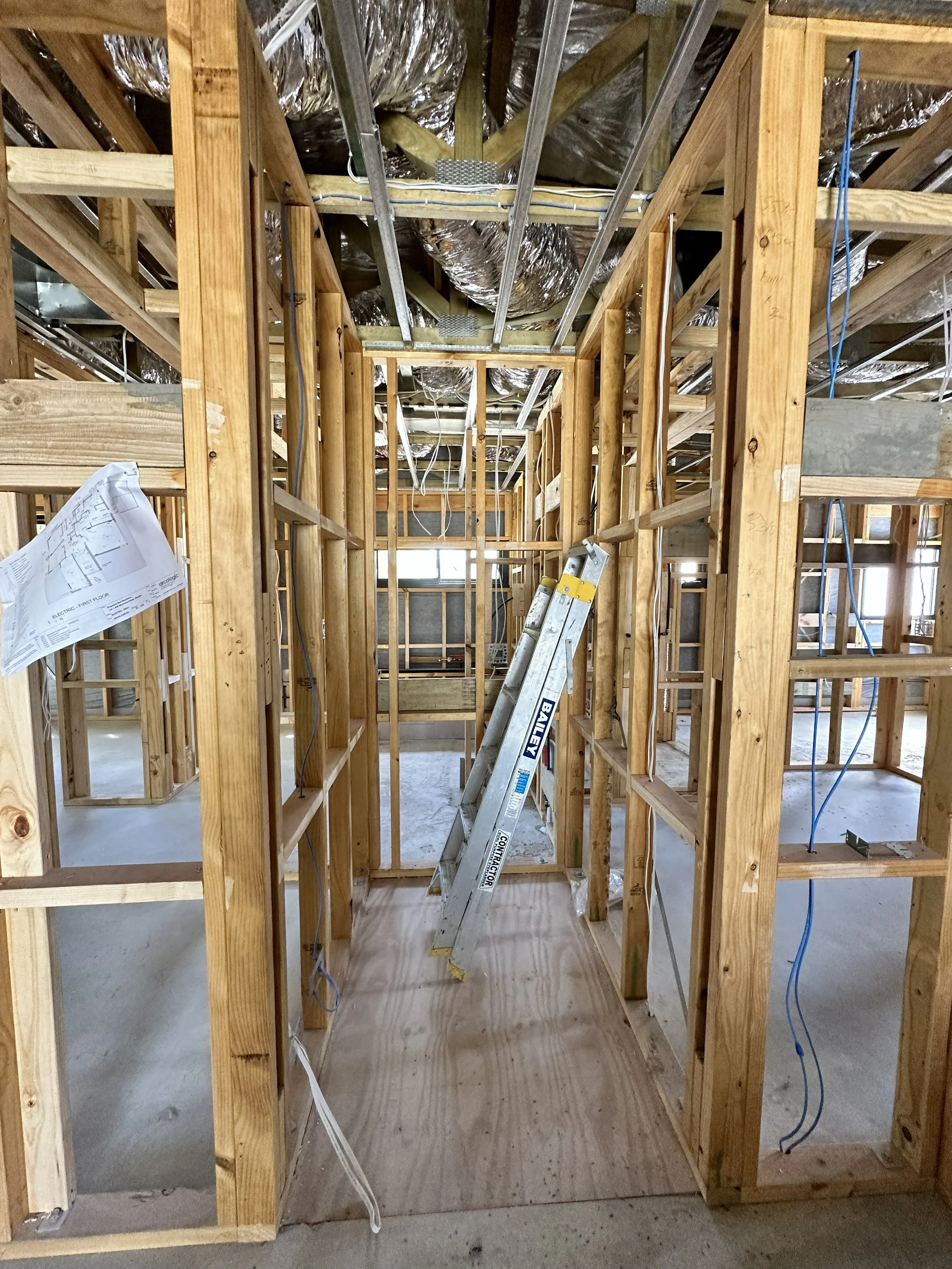
At our Attadale project, a lift shaft has been included and is temporarily being used as a storage room, ready for the installation of a lift when needed.
Spacious living areas
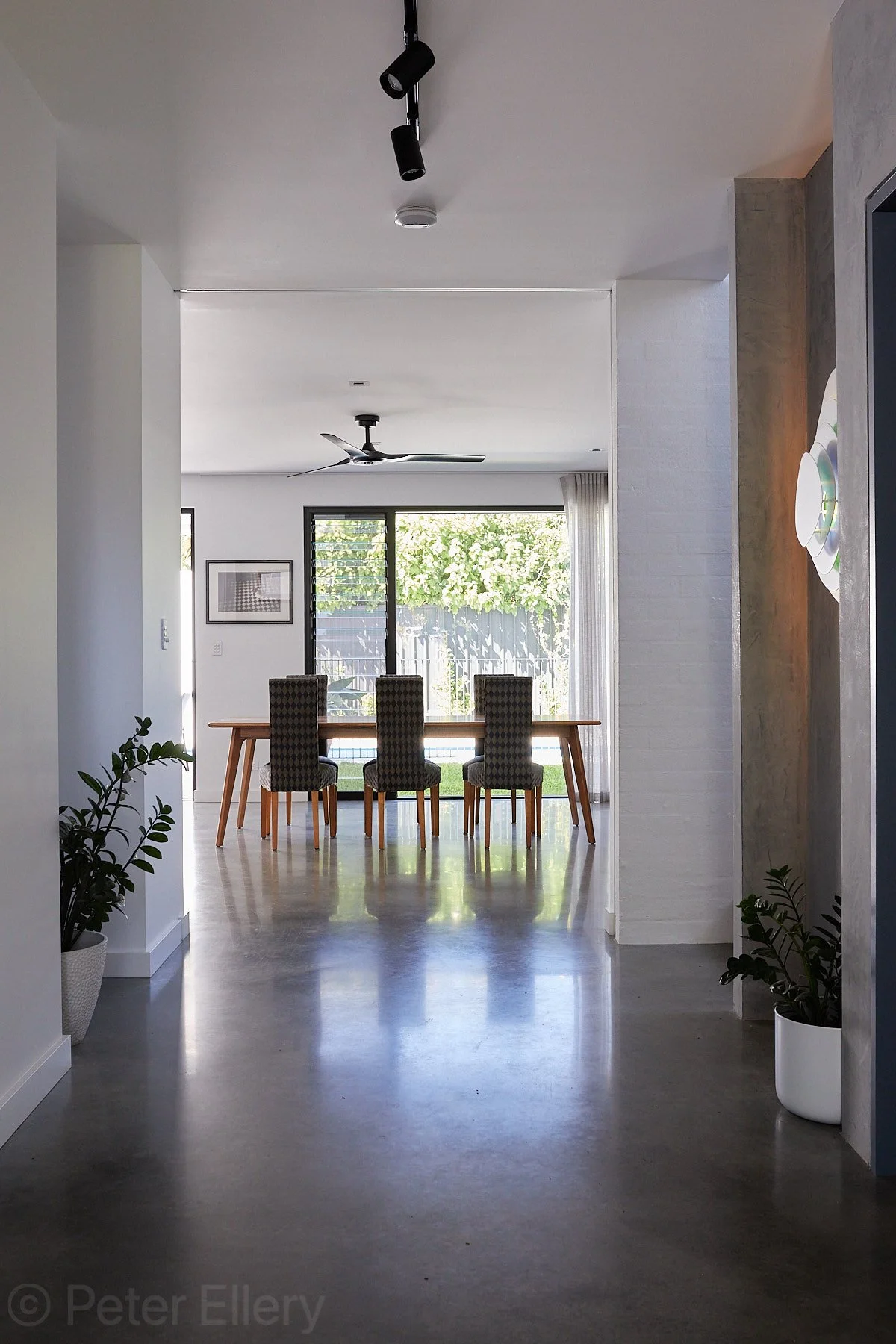
More frequent quality time is one of the key selling points of multigenerational homes, so it’s important that communal areas can host everyone in the household. Ensure there is a comfortable living space where people can spend long hours together and, if possible, integrate indoor-outdoor spaces. Kitchens should also be spacious and highly functional.
Adaptable design
With more people in the house, group and individual needs are likely to change more frequently than in a single generation household. As such, adaptable design will be key. Include multi-purpose rooms that offer day-to-day flexibility and prepare for more significant changes that might arise in future. Additionally, sliding doors and partitions can quickly transition communal spaces into individual zones.
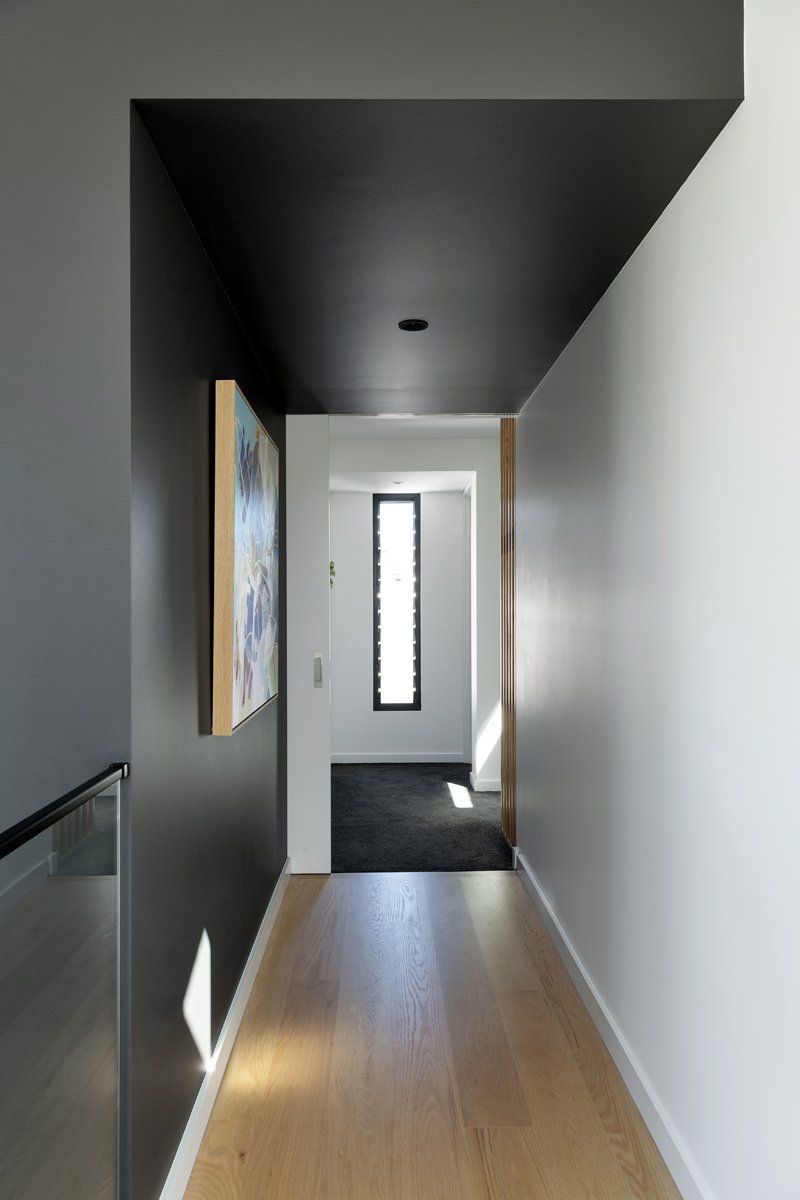
Overall, there are many good reasons to choose multigenerational living, but to make sure it works for everyone, it also needs to come with well-considered design. If you’re keen to explore this for yourself, don’t hesitate to get in touch.