
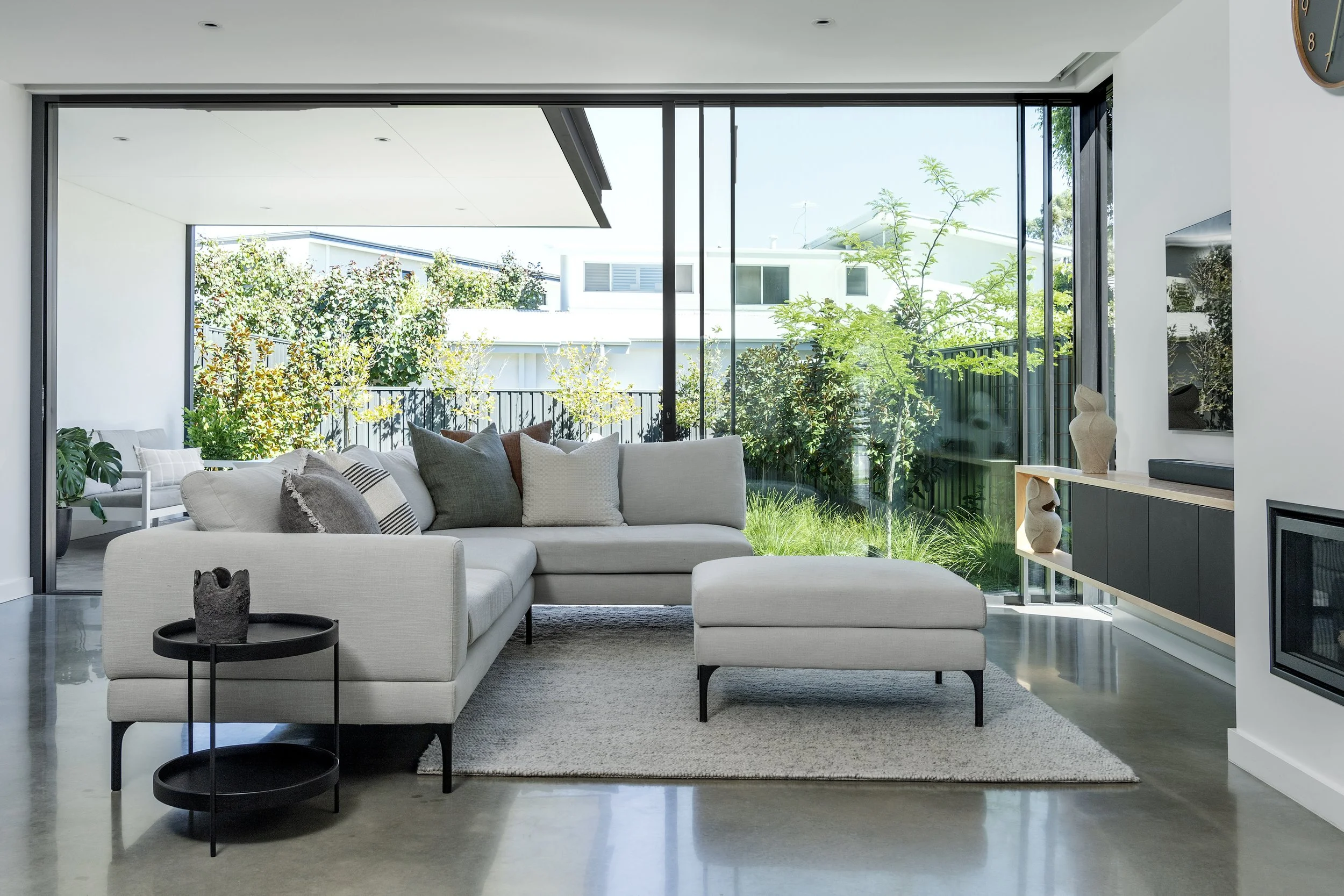
Last month, we published a blog on everything that you need to know about glazing (the glass part of a window). But glazing is only one part of the whole—you’ll also need to consider the window frames that surround it. These can have a huge impact on your interior design, and will play the next most significant role in your window’s thermal performance. So, it seems only fitting to complement that blog with one all about window frames. Here goes.
KEY CONSIDERATIONS
When choosing window frames, there are typically two main factors you’ll want to consider: depth and material. Both will affect the aesthetics of your windows and their thermal performance.
DEPTH
The depth of a window frame is the distance between its internal and external edges. Commercially, window frames generally fall into two categories. Residential frames usually range from 3mm to 6mm thick, while commercial frames range from 6mm to 12mm—or sometimes even more.
Commercial frames are considered higher quality and, naturally, come at a higher cost. There are a few reasons for this. Firstly, commercial frames can accommodate higher-performance glazing, whether thicker single panes or wider cavities between double or triple glazing, which improves insulation. Likewise, thicker frames have better thermal performance themselves.
On top of this, commercial framing has more structural integrity, allowing for larger openings and more unique designs. They are bulkier than residential frames, but many people consider this a positive and often turn them into an architectural feature.
Virtually all custom designed homes use commercial frames, and at Arklen we always use commercial frames at a minimum.
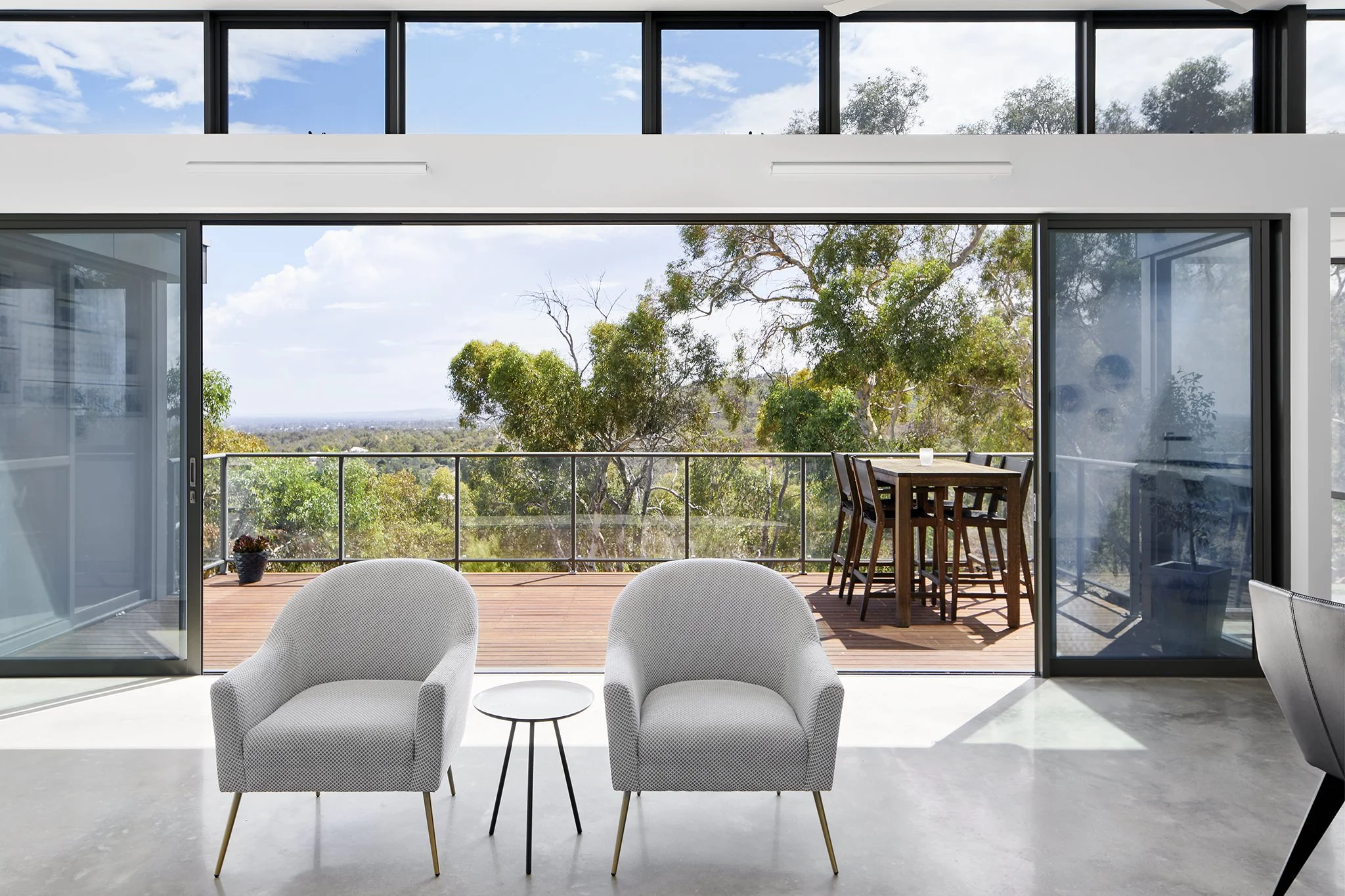
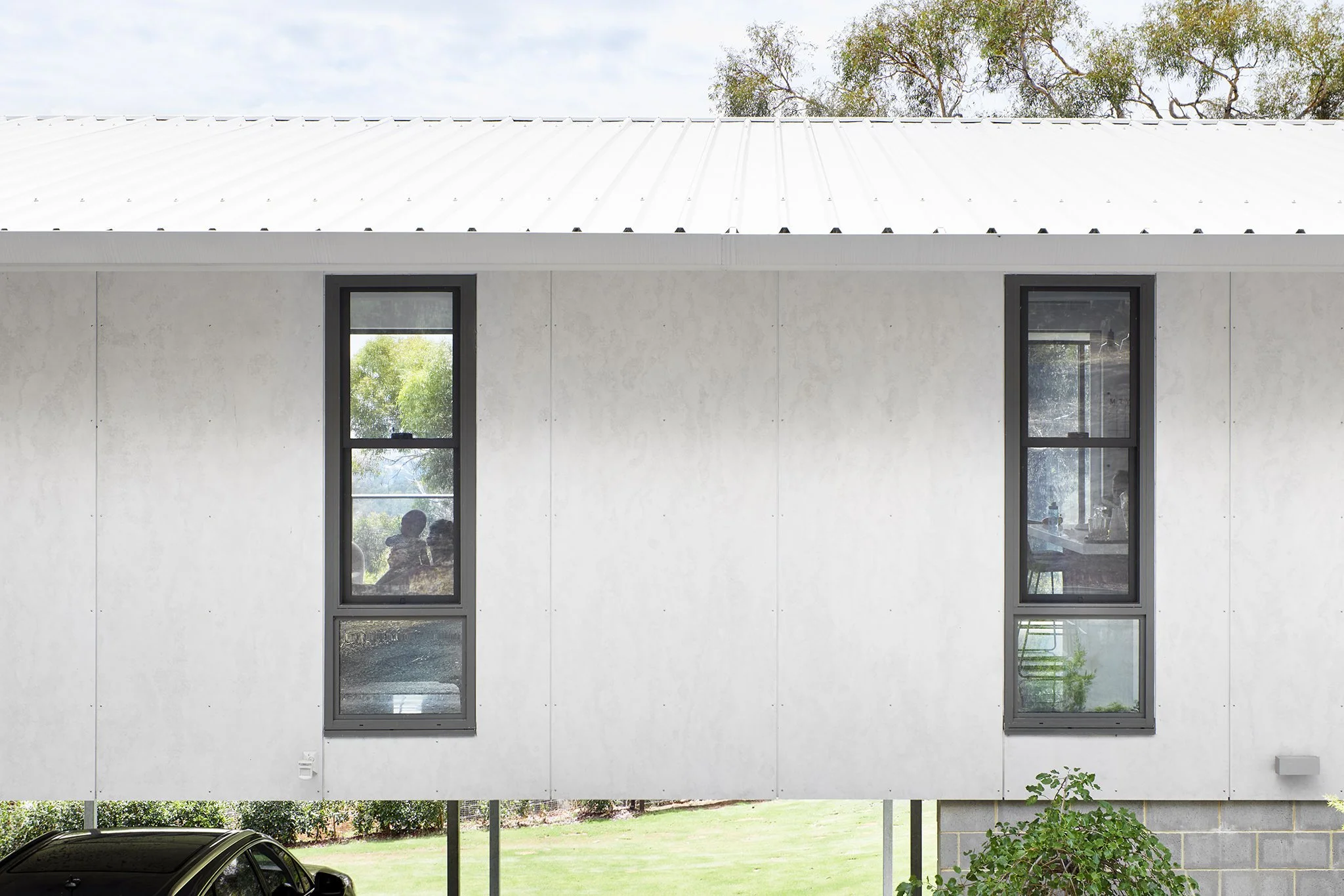
Leaning into the commercial frames as part of the design at Gooseberry Hill.
COMMON MATERIALS
The next, and possibly most important, consideration is the frame material. While there are many options, common choices include timber, UPVC, aluminium, and steel.
Timber
Timber window frames are a great way to bring a touch of warmth into your home. Depending on your preferences, different species of timber can be used but more durable hardwoods, such as Cedar or Miranti (the best Jarrah alternative following the recent native forest protections), are the best.
Timber frames have excellent thermal performance, although natural swelling and shrinkage from humidity require more tolerance in the window cavity and can increase the risk of air infiltration. Proper treatments or paint can significantly reduce the risk of moisture damage, but will need to be reapplied regularly.
Timber frames are also highly customisable and easily offer the most variability in design, allowing for unique shapes and even curves. No matter the design, timber frames should always be custom made by a qualified joiner to ensure good, long-lasting quality.
Some trade tips to keep in mind:
Location: Consider accessibility for maintenance, as external upper-floor windows may be hard to re-treat.
Pre-installation: To ensure the best quality, paint or treat the timber before glazing or installation.
Dry dressed timber: Where possible, opt for dry dressed timber (timber that’s been partially dried before planing and sanding) as this will reduce shrinkage.
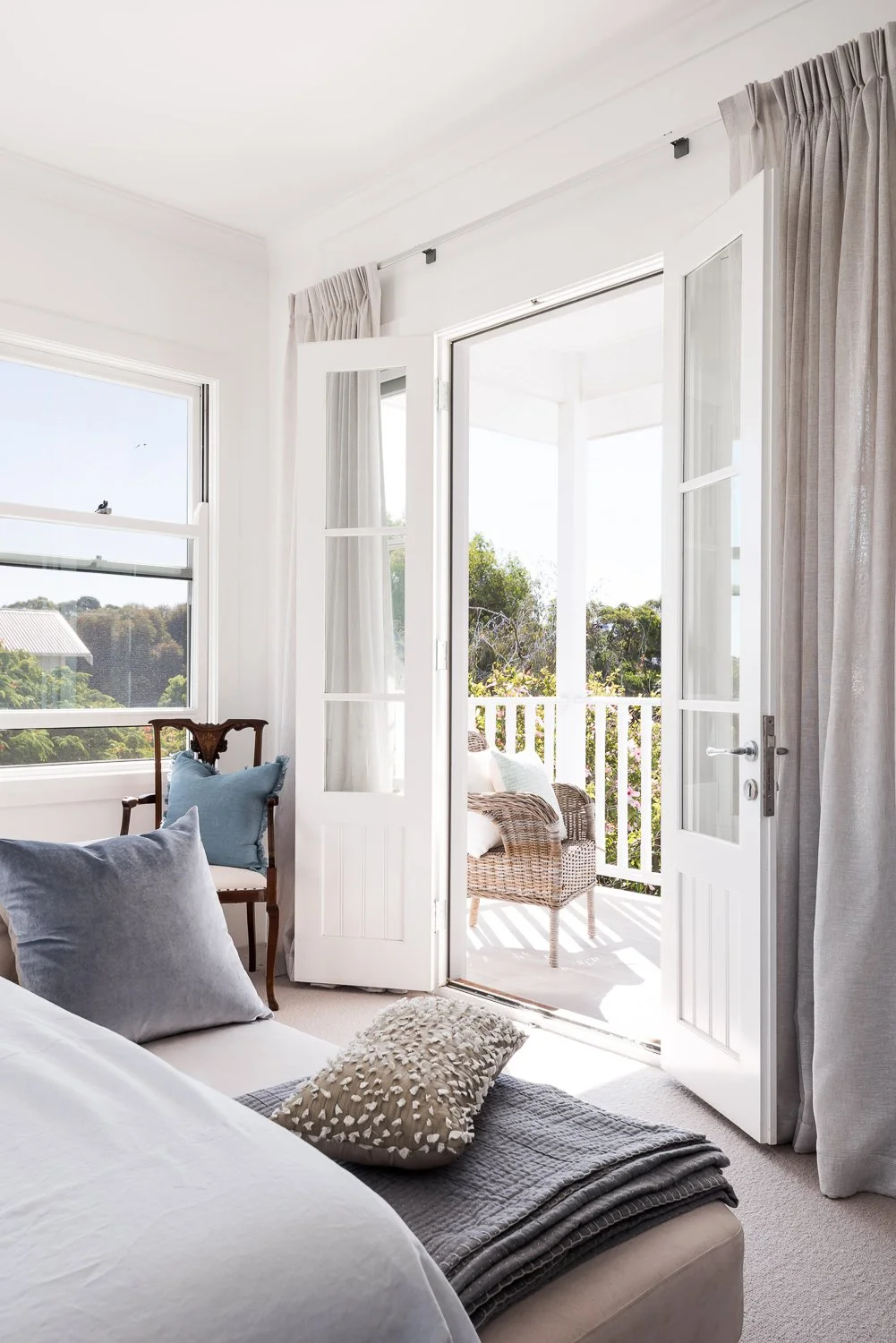
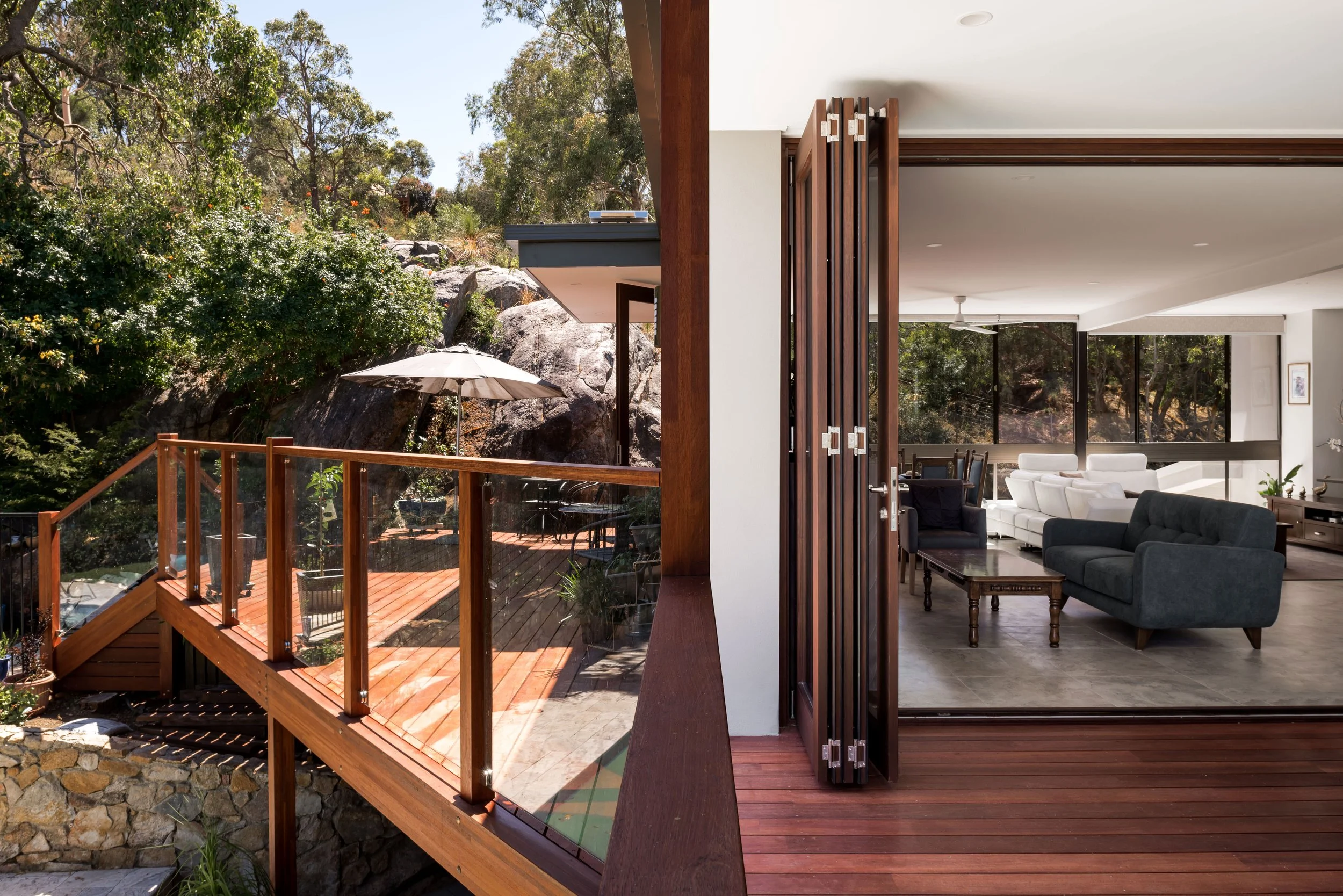
Timber at Gooseberry Hill.
UPVC
UPVC, or Unplasticised Polyvinyl Chloride, window frames have thermal performance that’s comparable to—or sometimes even better than—timber. They can also last a long time with little maintenance. They’re usually a good choice for standard-sized windows but, as a lighter material, may lack the structural strength necessary for large or irregular shapes.
While common in Europe, UPVC is still relatively new here in Australia and is usually imported, which can limit availability. We’re using UPVC for the first time in our Swanbourne project, and will be sure to pop back with more insights as this progresses.
Aluminium
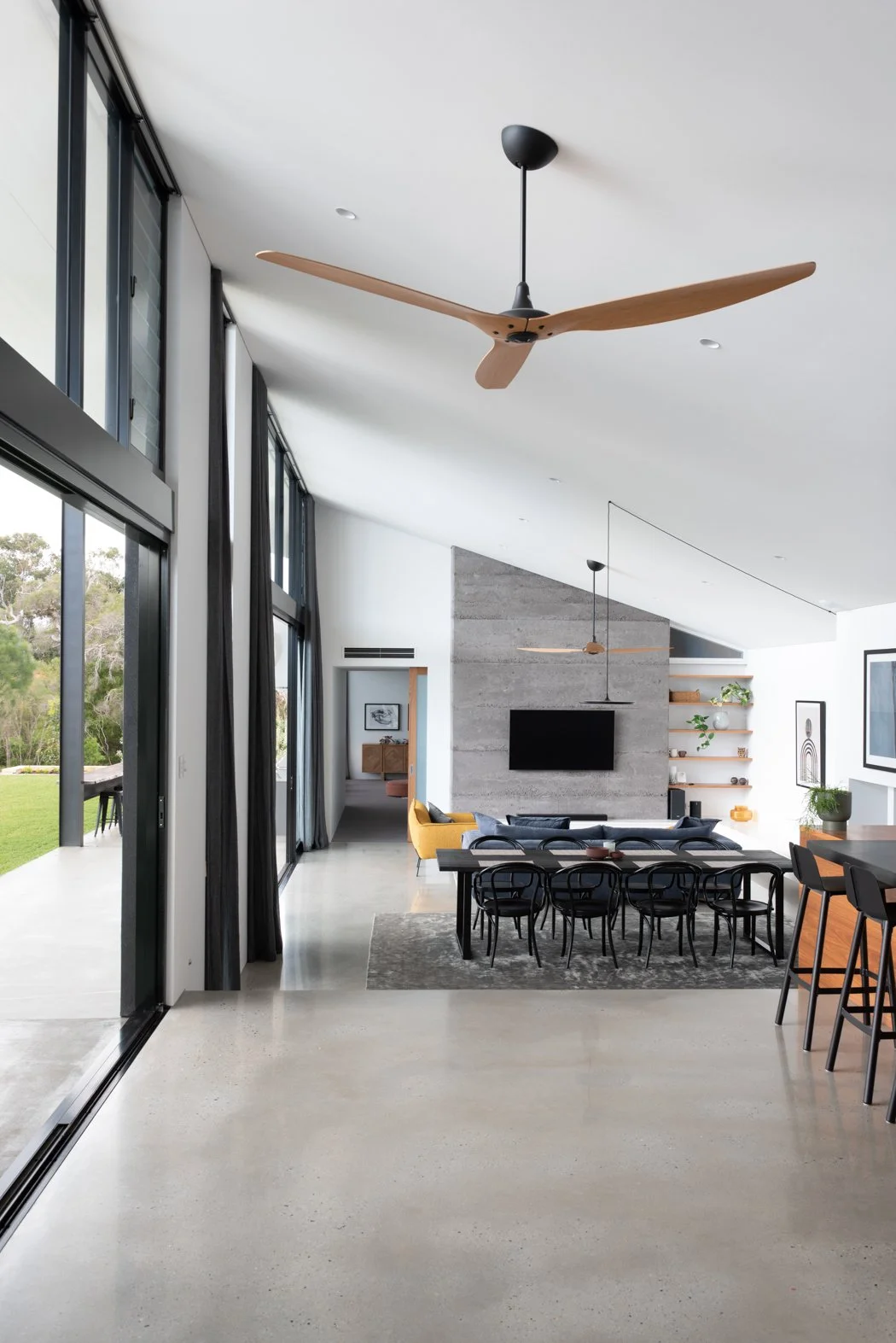
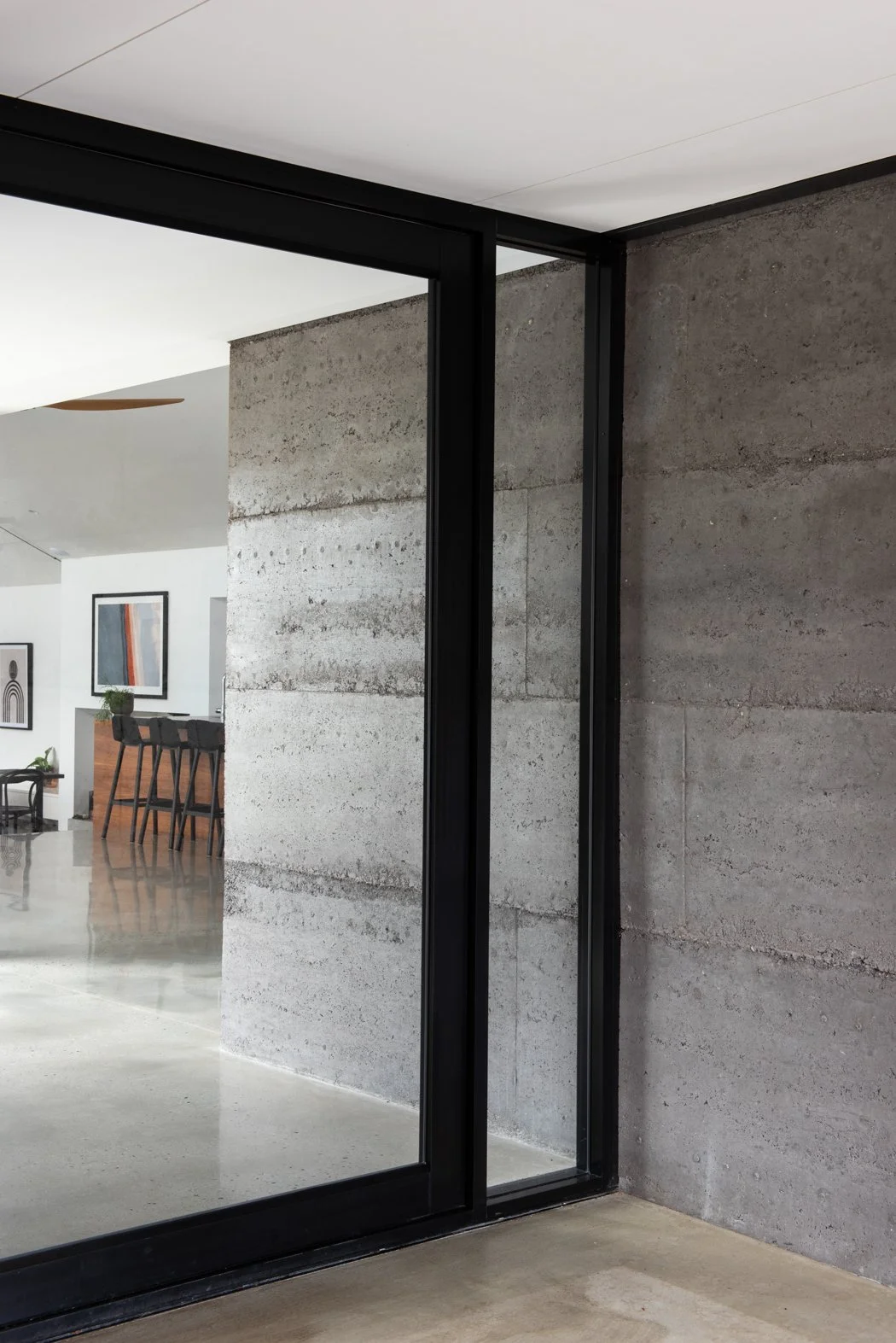
Aluminium is easily the most common window frame material in Australia. It’s readily available, highly customisable, and can colour-match (for an added cost). Extrusions are made in Australia before being sent to a factory (we use Avanti) where they’re cut to size and sent to site. Aluminium is very durable, has high structural performance, requires very little maintenance, and can be powder coated with different levels of treatment depending on expected exposure.
Aluminium is, however, a good conductor of heat, so its thermal performance is notably lower than timber or UPVC. It’s also more difficult to cut into complex shapes, like circles, so design options are more limited.
Steel
Steel is a very robust material that offers a sleek but strong framing option, with the ability to create complex shapes. It is, however, heavier than other alternatives, so frames are often thin and less suited for very large windows.
Steel’s ability to remain strong while thin is one of its biggest selling points, though, and it’s often considered an expensive luxury option ideal for sleek, minimalist aesthetics. Like timber, steel frames are always custom made, but fewer suppliers mean longer turnaround times. Thermally, it’s also the lowest on the list, as it conducts heat and cold, although powder coating and paint can help.
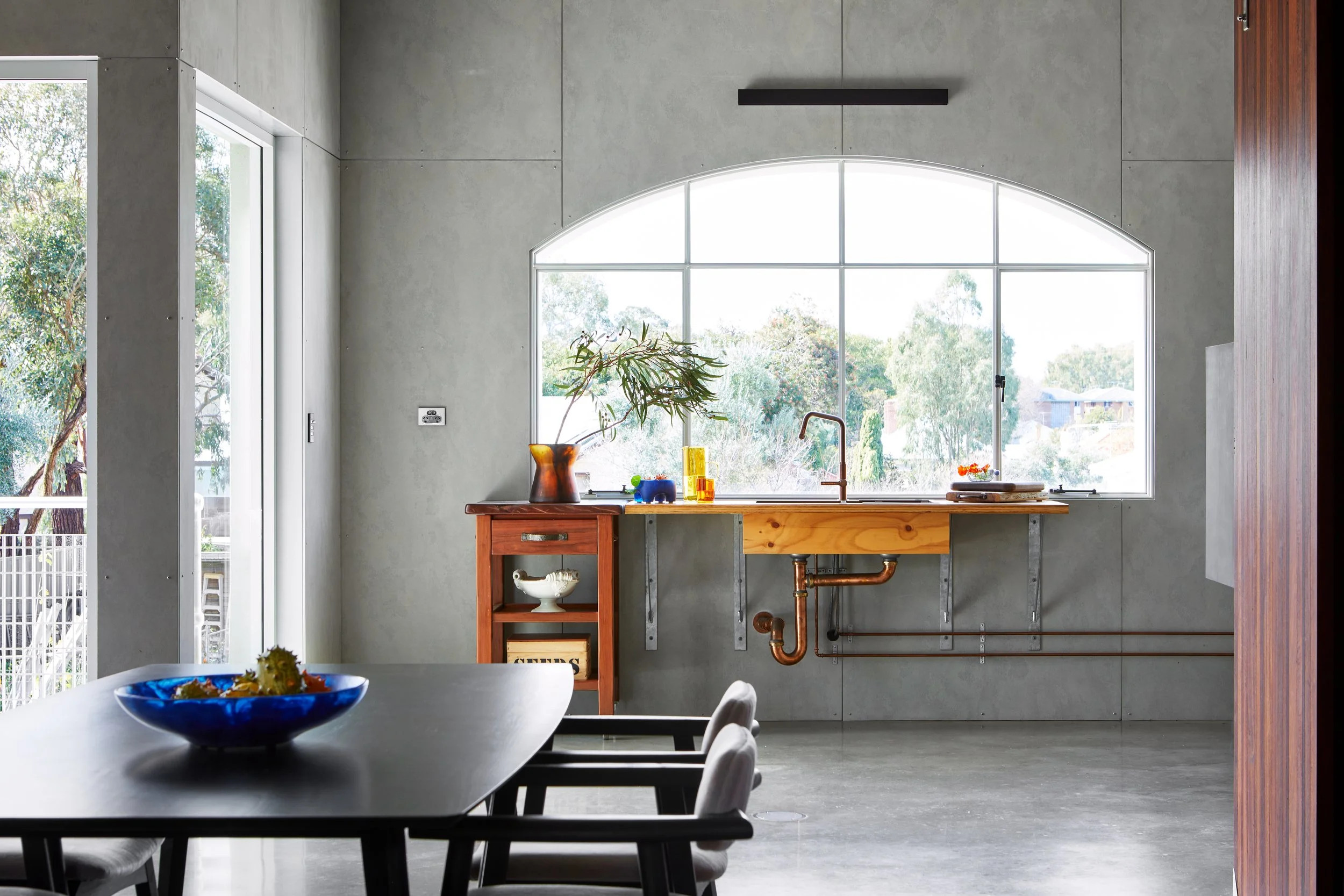
Steel framing at East Fremantle.
CASING DETAILS
Once you’ve chosen your window frames, it’s also worth considering additional finish details.
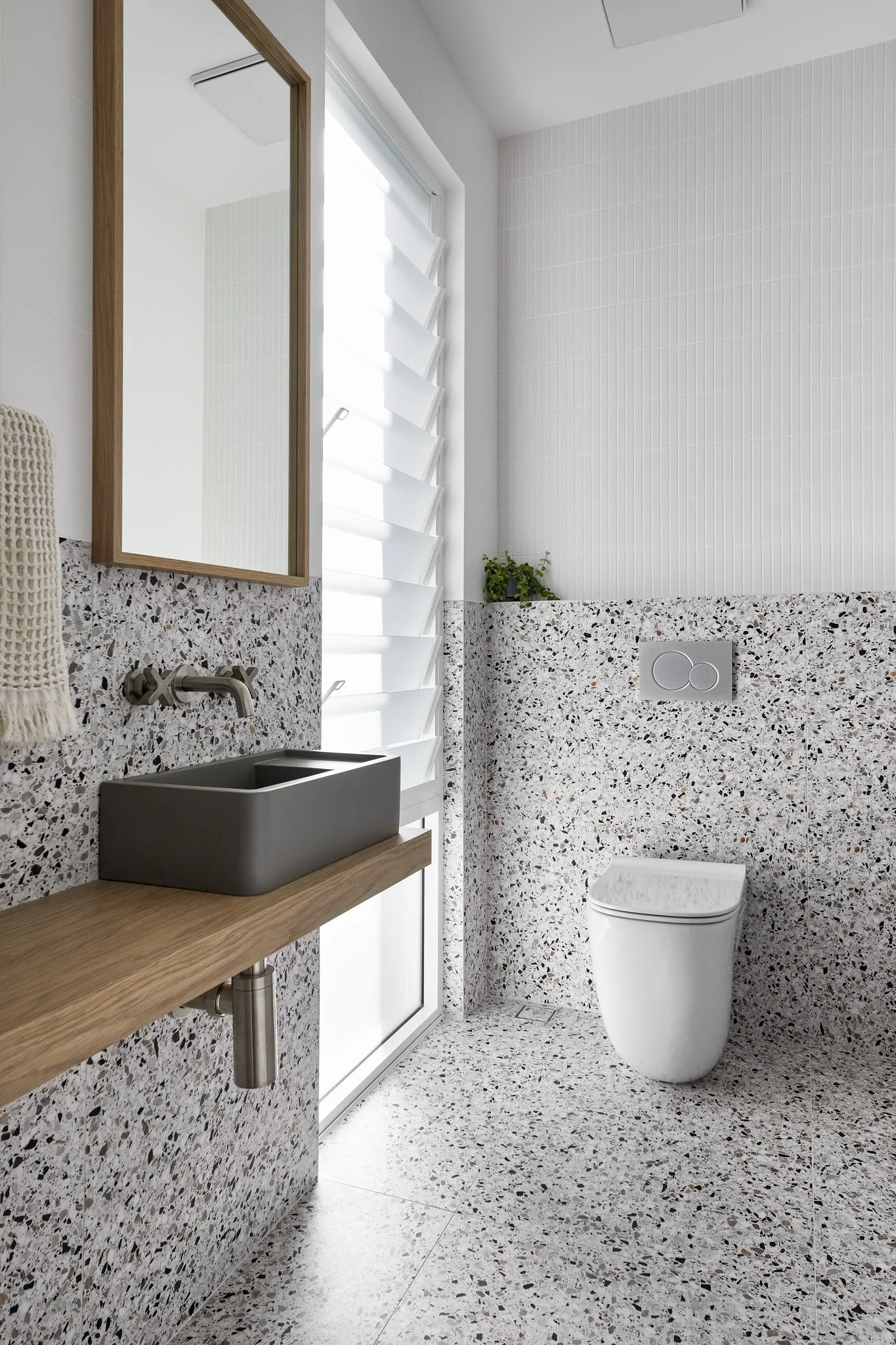
Size of reveals
Window reveals are the edges of the wall opening that attach to the window frame, like the windowsill where you’d put a pot plant. These can vary in depth and material depending on aesthetic preference.
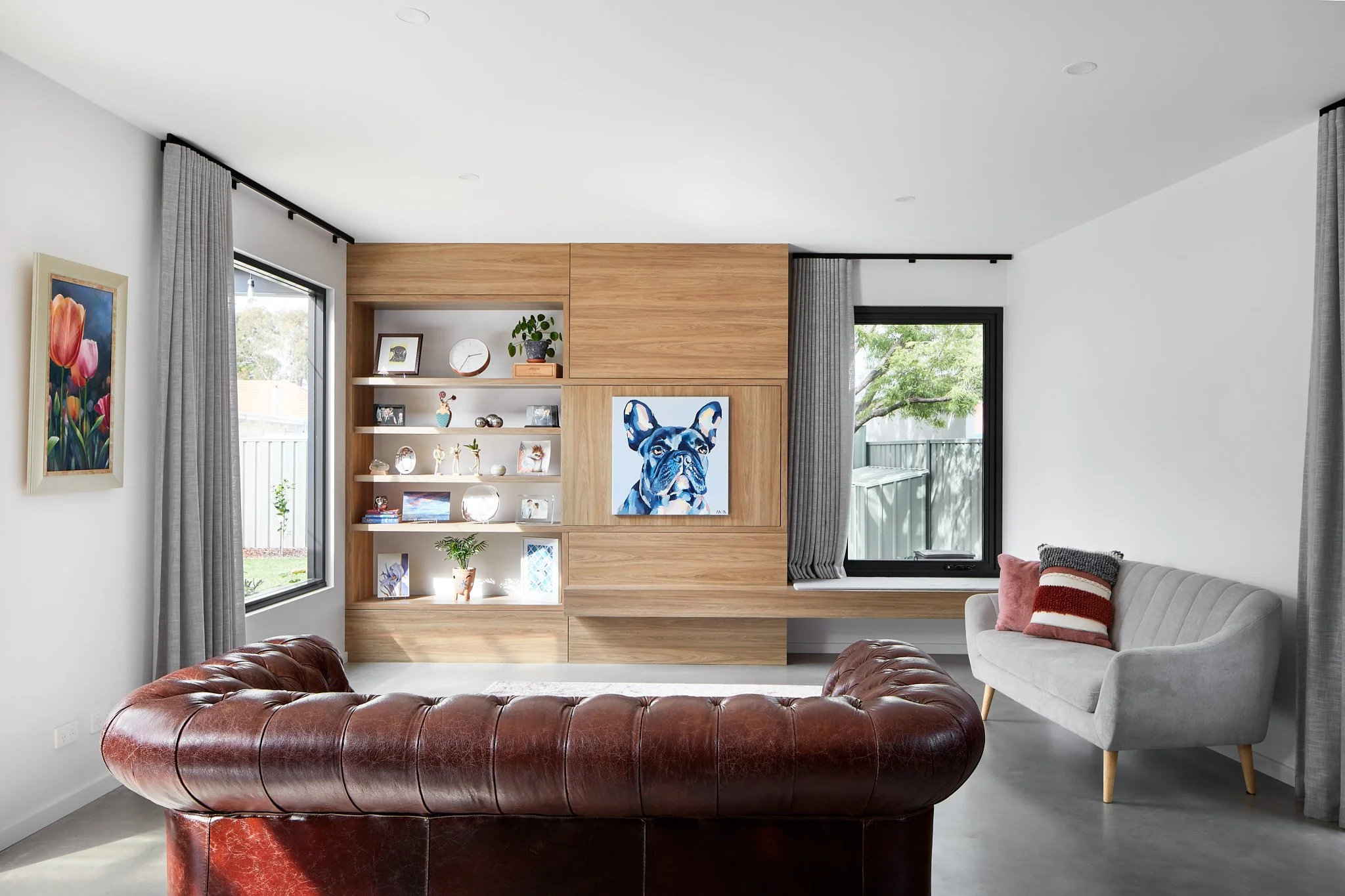
Shadowline details
For an added touch to your window finish, you can also opt to have a shadowline detail on your reveal. This is a slim recessed groove between the wall and the reveal for a subtle, high-end touch.
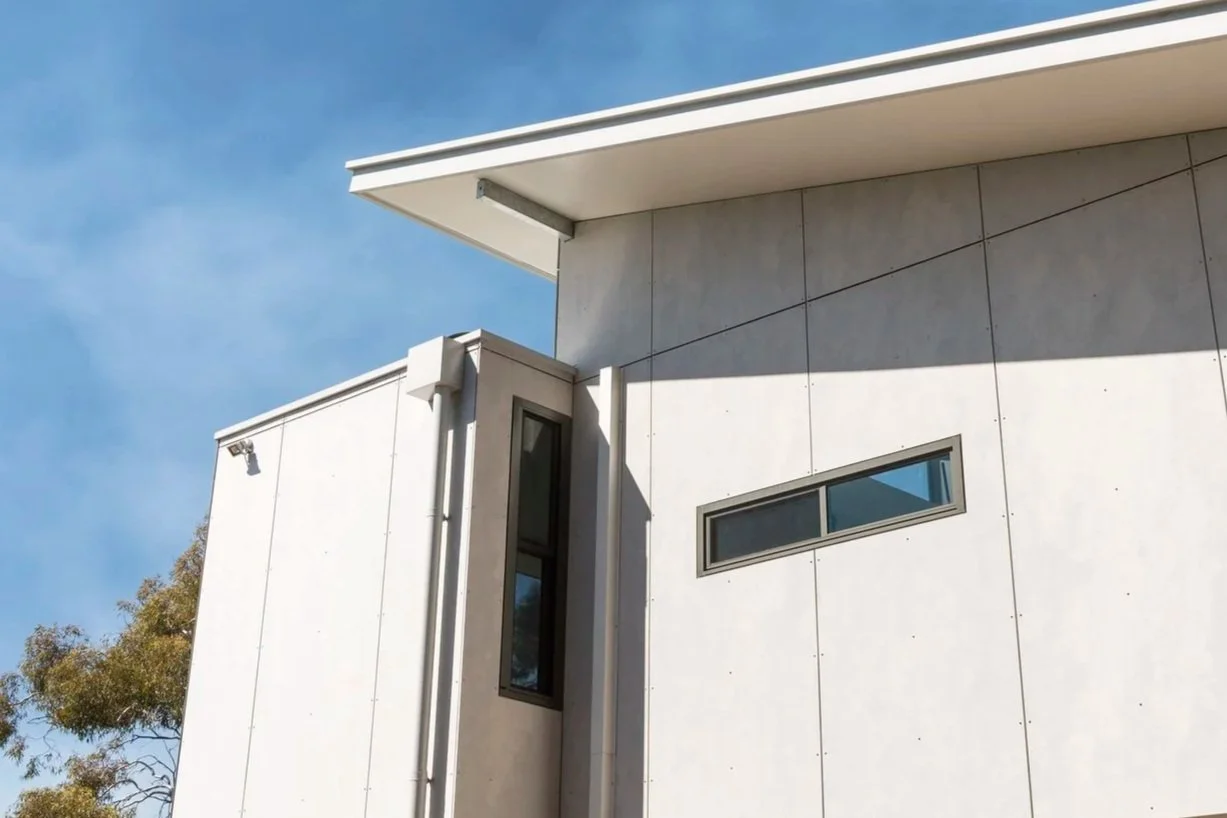
Architraves
Architraves are decorative trims that border your window. They range from ornate, traditional designs to minimalist, contemporary profiles. While mostly aesthetic, they can also provide additional structural support and insulation.
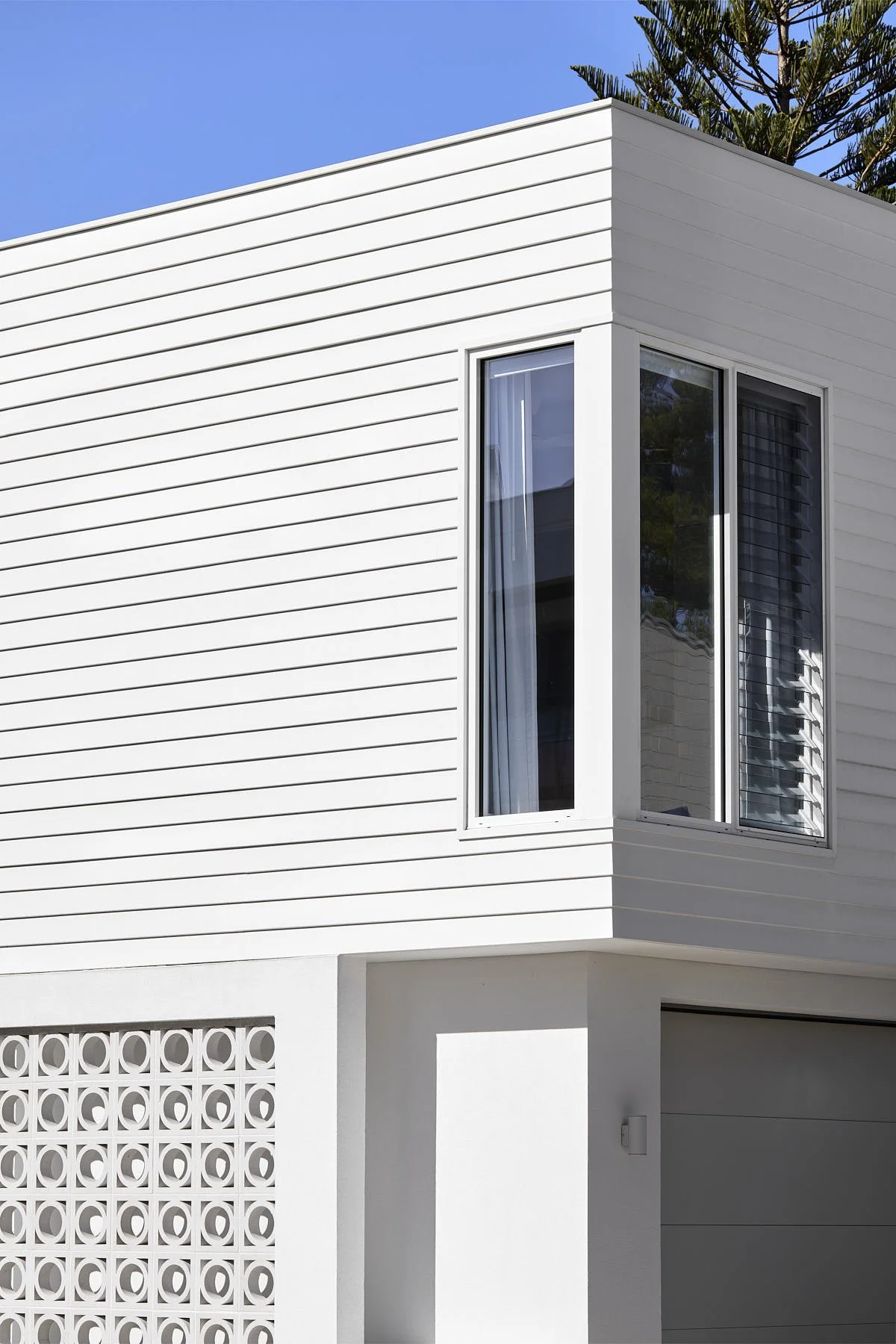
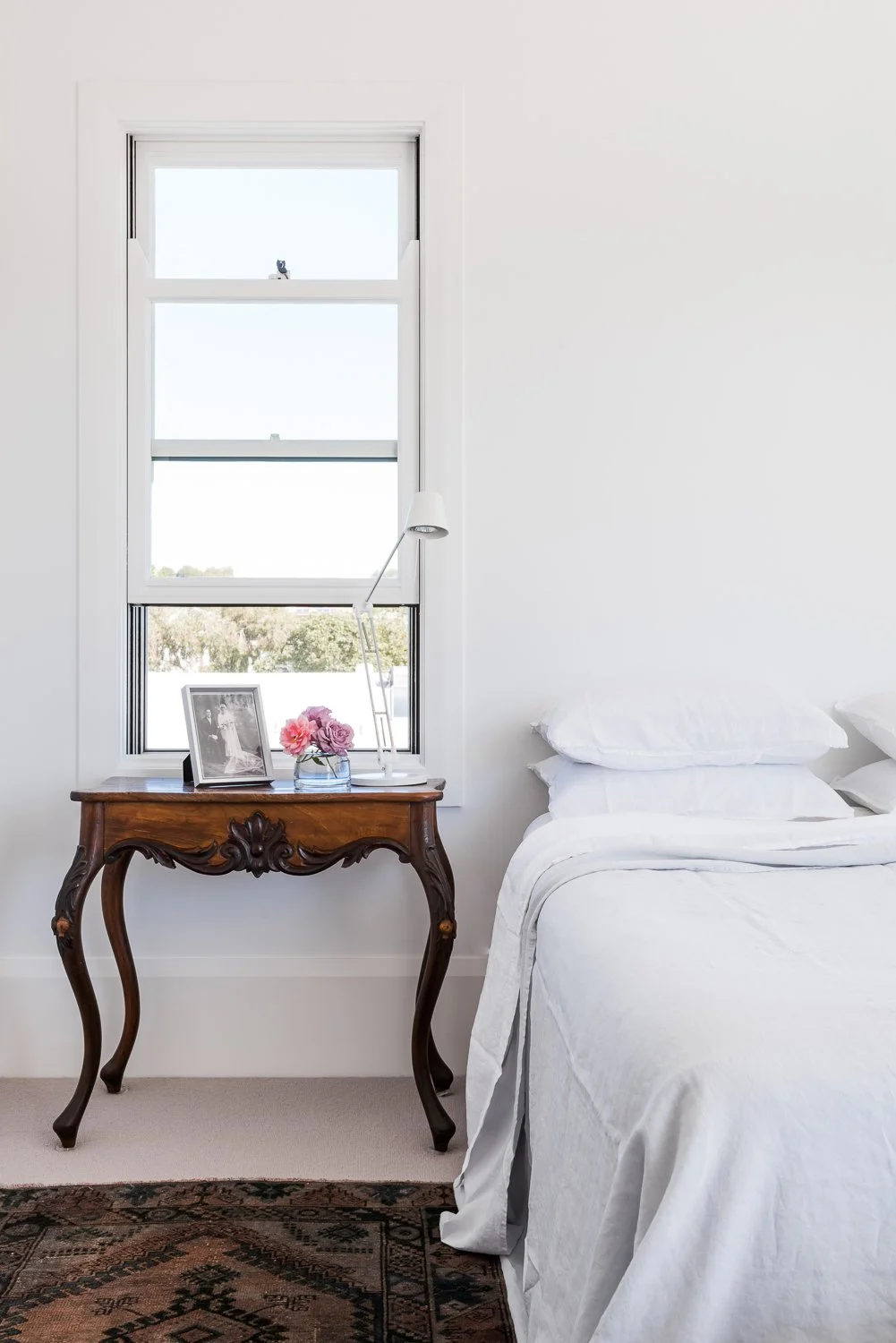
Ultimately, your primary considerations when choosing window frames should be architectural design and performance. We hope you can use this blog for some guidance, but it’s best to work closely with your architect and builder to ensure the right choice. As always, feel free to get in touch if you have any other questions.