
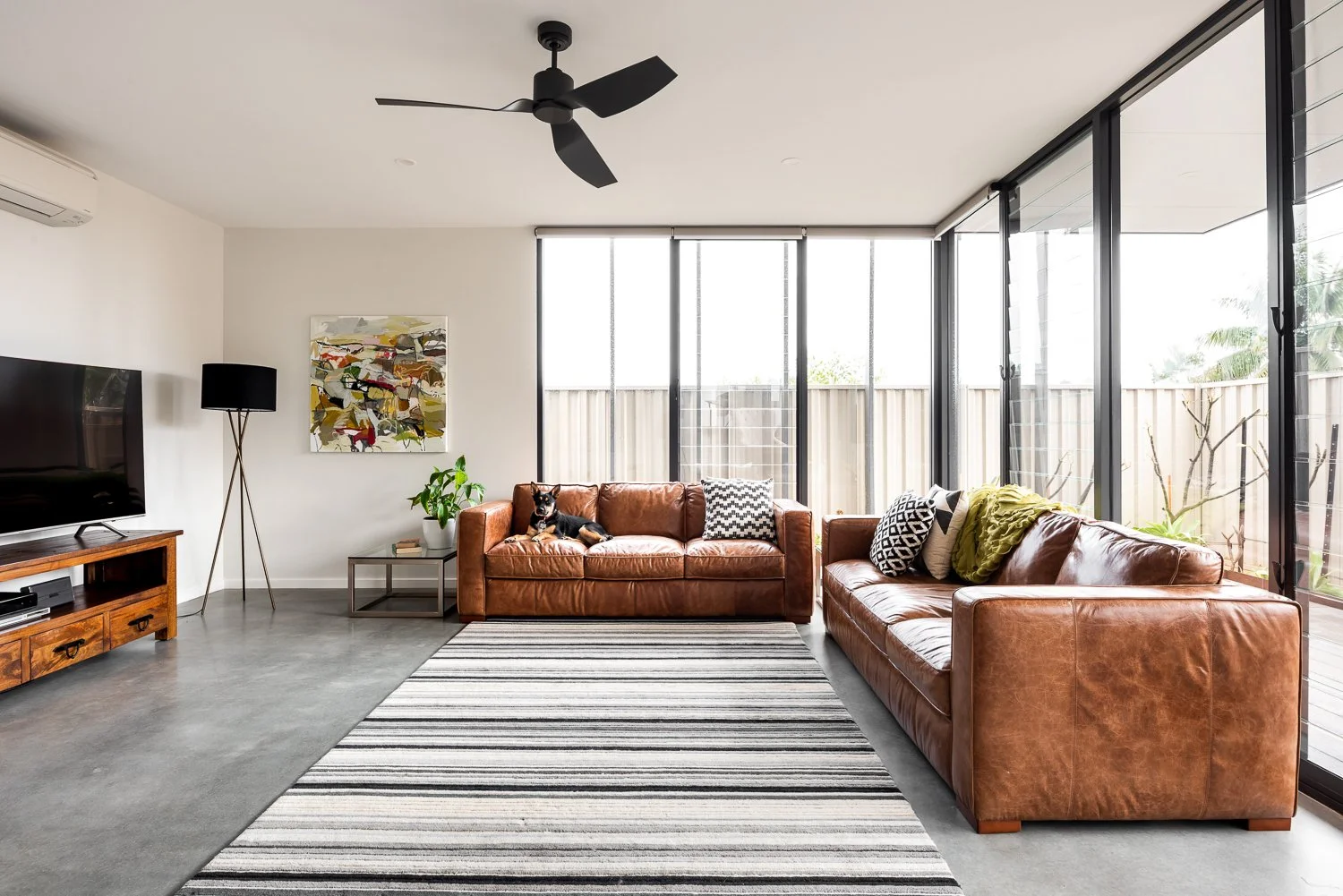
It’s pretty well understood that windows, in both their placement and style, are one of the major elements of home design. But what about the glazing—the actual glass that sits within the window frame? Despite being the key element of the window, and the fact that it significantly impacts the long-term performance of your home, it’s often considered as an afterthought. It’s time we change that.
WHAT IS IT AND WHY IS IT IMPORTANT?
The term glazing is often used to refer to all elements of a window, including the frame and furnishings. Technically, though, it just means the glass—and it’s one of the most important parts of a home design.
This is for various reasons. For one, it’s essentially the weakest part of a house. It’ll experience the most heat loss in winter and heat gain in summer, which will have a major impact on the comfort of your home, long-term energy consumption, and the environmental impacts that come with that. And if that isn’t enough, it’s also where you’ll get the most sound transmission and, of course, has a major impact on privacy. Ultimately, if you need to skimp on any part of your home, don’t let that be your glazing.
TYPES OF GLAZING
Single glazing
To start talking about the different types of glazing, it’s easiest to begin with your standard single glazing. As the name suggests, single glazing consists of just one pane of glass. They can vary in thickness—with thicker panes typically offering better performance—but will ultimately provide minimal protection against heat and sound.
Double and triple glazing
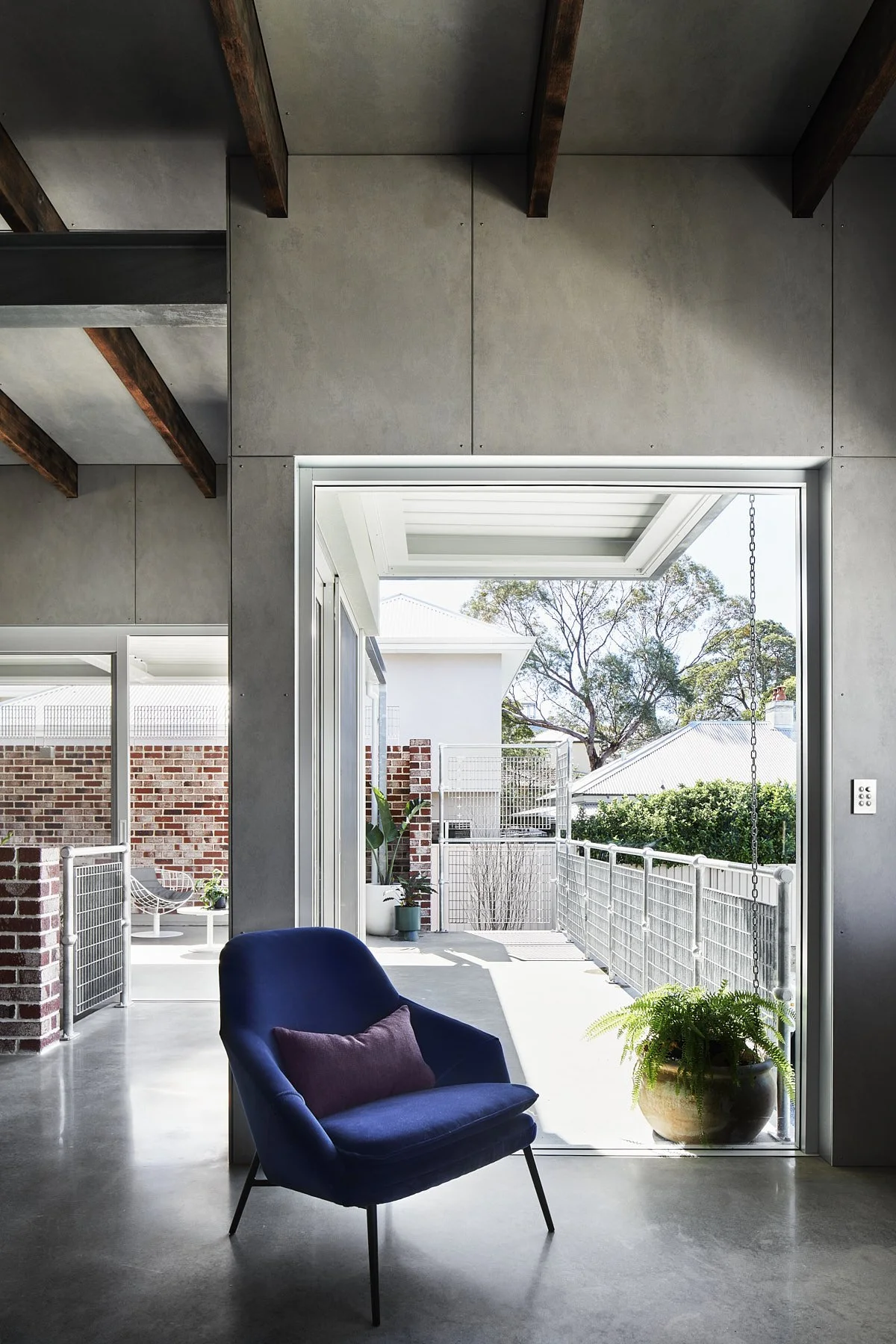
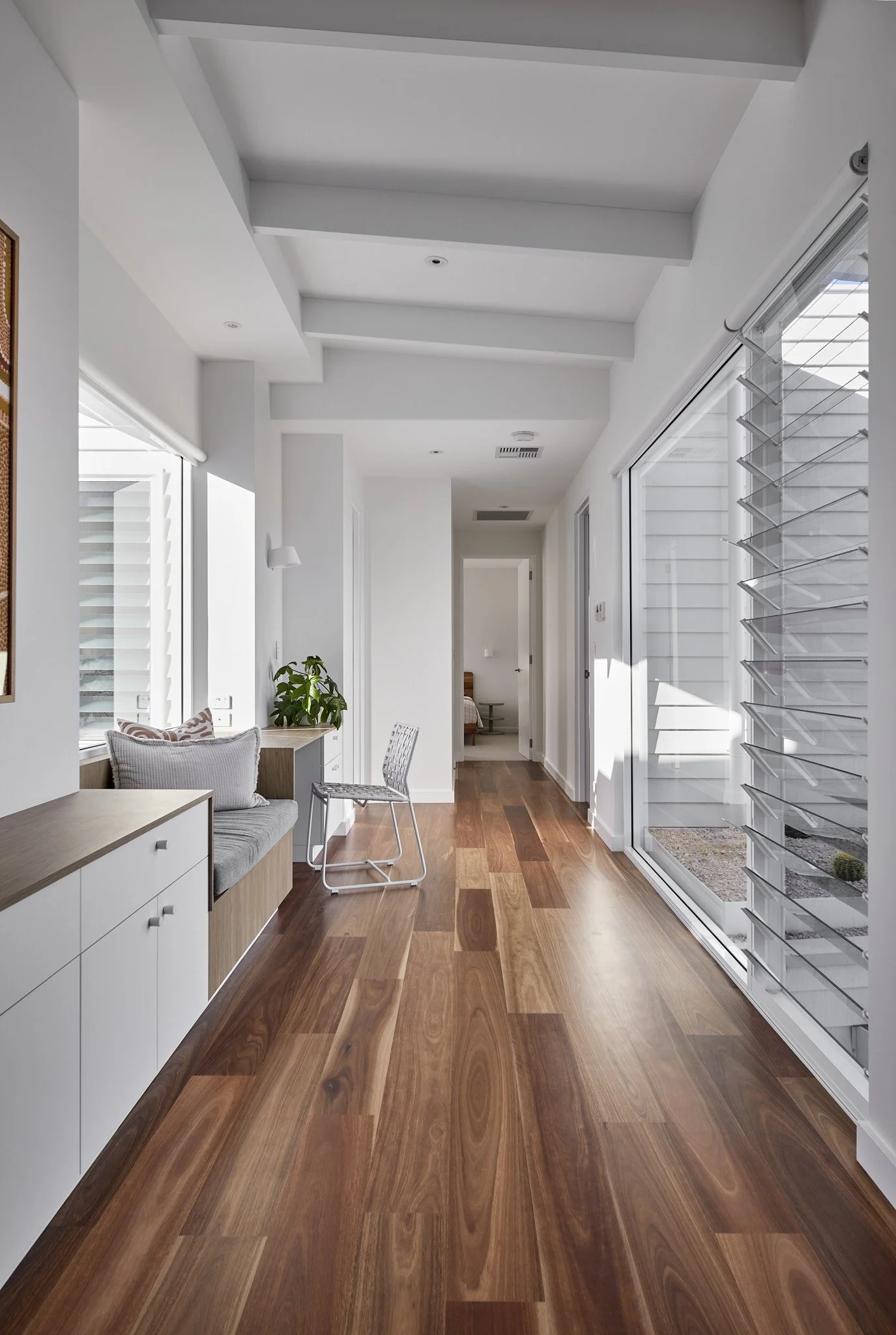
Understanding single glazing, it then makes sense that double and triple glazing have two or three panes of glass. What really improves performance, though, is that these panes are separated by a cavity that’s filled with air or a gas, such as argon, to create one or more insulating barriers. From there, performance can also vary depending on the width of the cavity, whether air or gas is used to fill it, and how well the cavity is sealed.
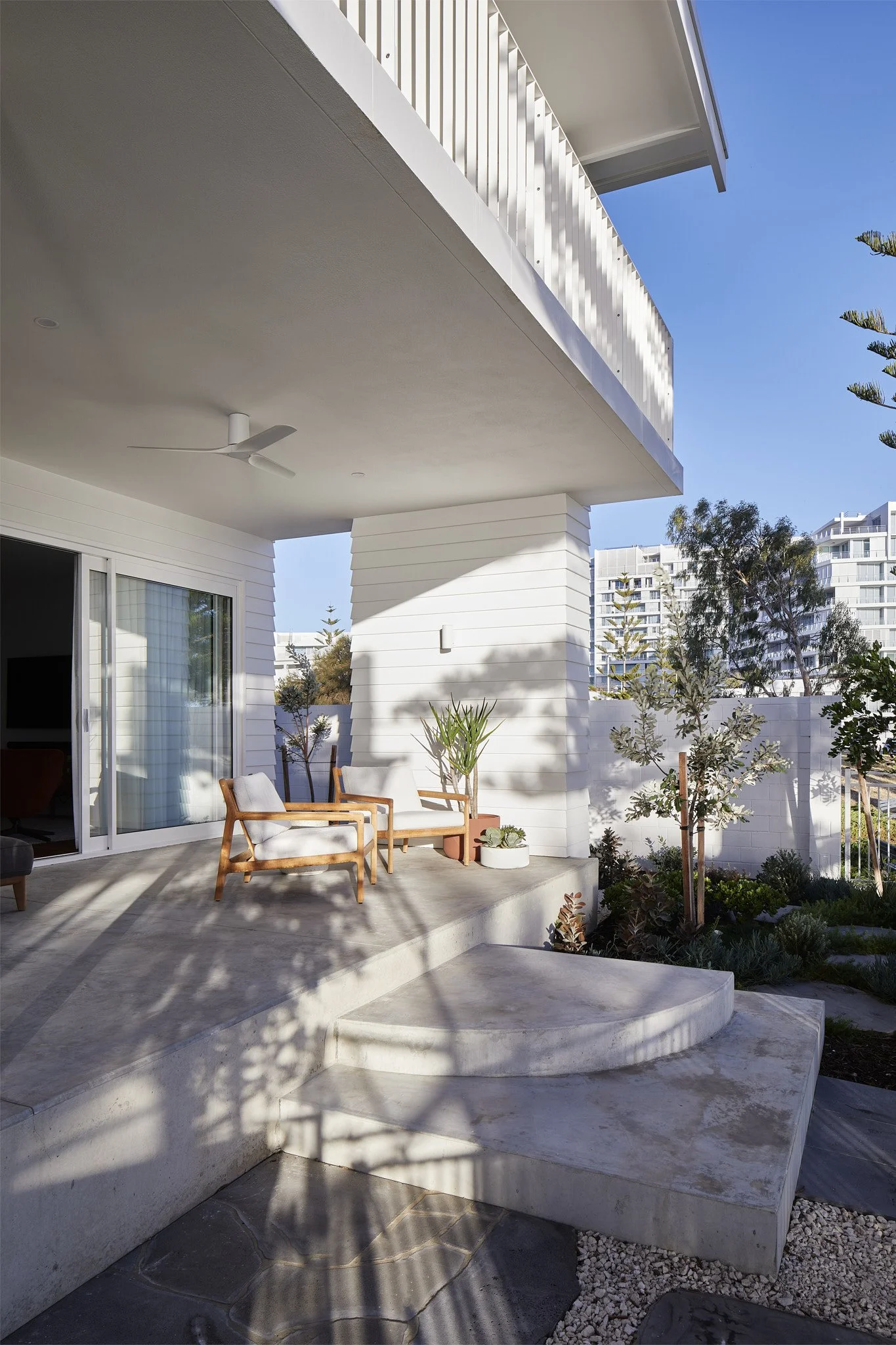
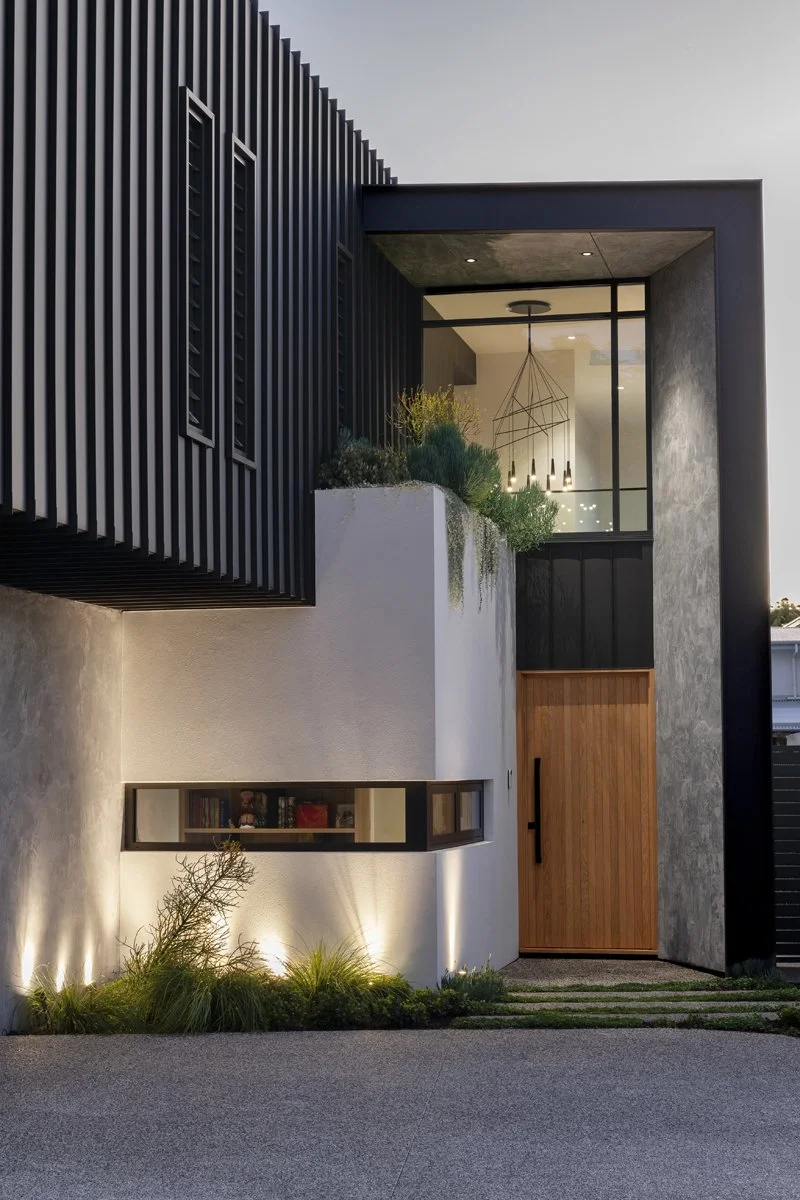
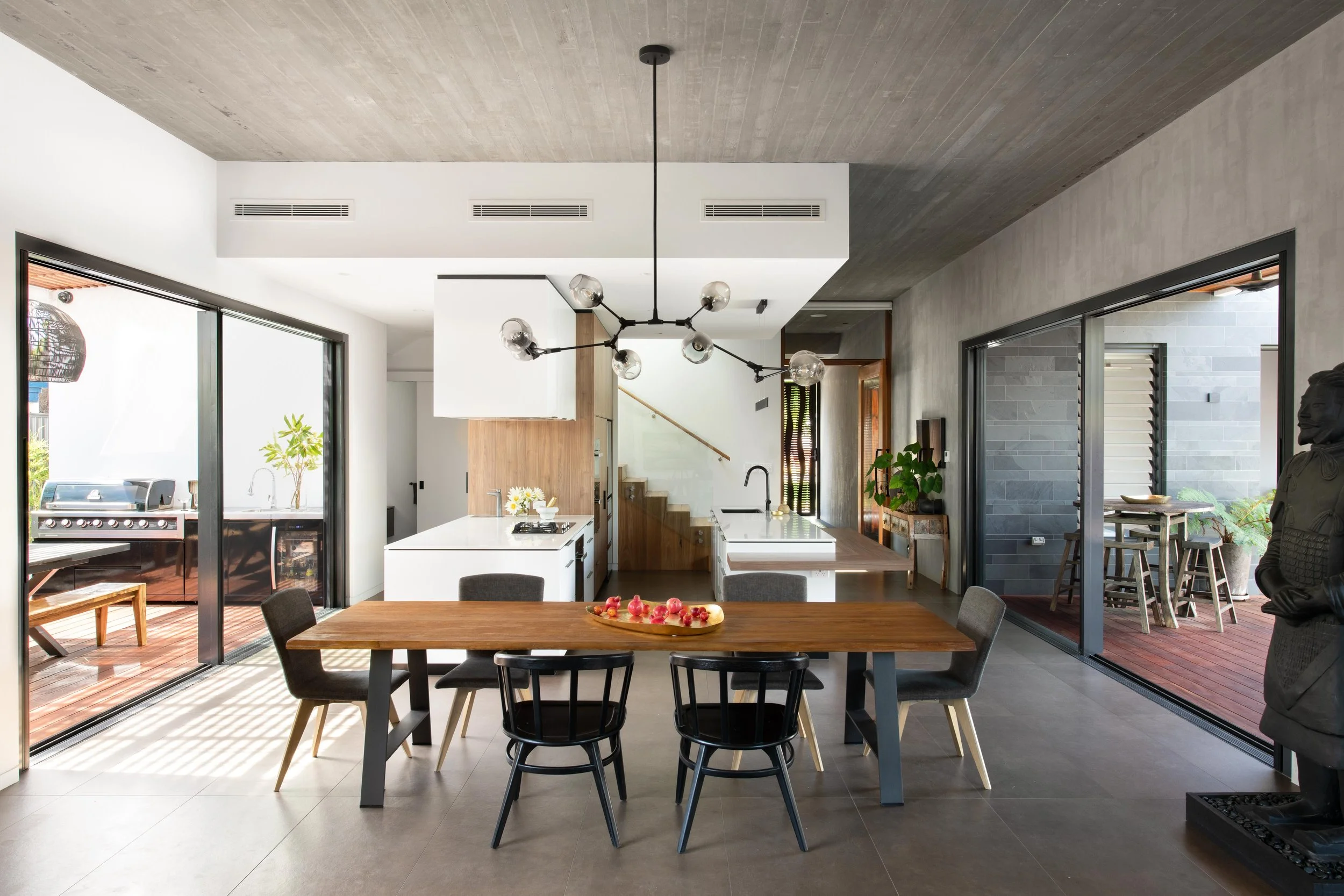
Double glazing at our Mandurah and Ardross projects.
HIGH-PERFORMANCE OPTIONS
Whether you choose single, double or triple glazing, you can further increase performance by adding treatments or opting for commercial options.
Low emissivity (low-E) glass
Low emissivity glass (usually referred to as low-E glass) has a thin coating that reduces the amount of heat that can travel through the window, while still allowing visible light to pass through. It looks the same as any other pane of glass but can significantly improve energy efficiency.
Tinting and reflective films
Window films, that either have a reflective layer or contain a dye that absorbs light, can also be adhered to glass. These reduce heat transfer by reflecting or absorbing solar radiation, rather than allowing it to pass through. They’re often more cost-effective than low-E glass, but also tend to reduce natural light.
Commercial joinery
Another way to significantly improve performance is by choosing commercial joinery instead of residential. While residential joinery typically ranges from 3mm to 6mm thick, commercial joinery ranges from 6mm to 12mm (or sometimes even more).
This allows you to choose thicker panes of glass and, with double and triple glazing, also gives you the option to widen the cavities for more effective insulation. At Arklen, whether a client chooses single, double or triple glazing, we always use commercial joinery as a minimum.
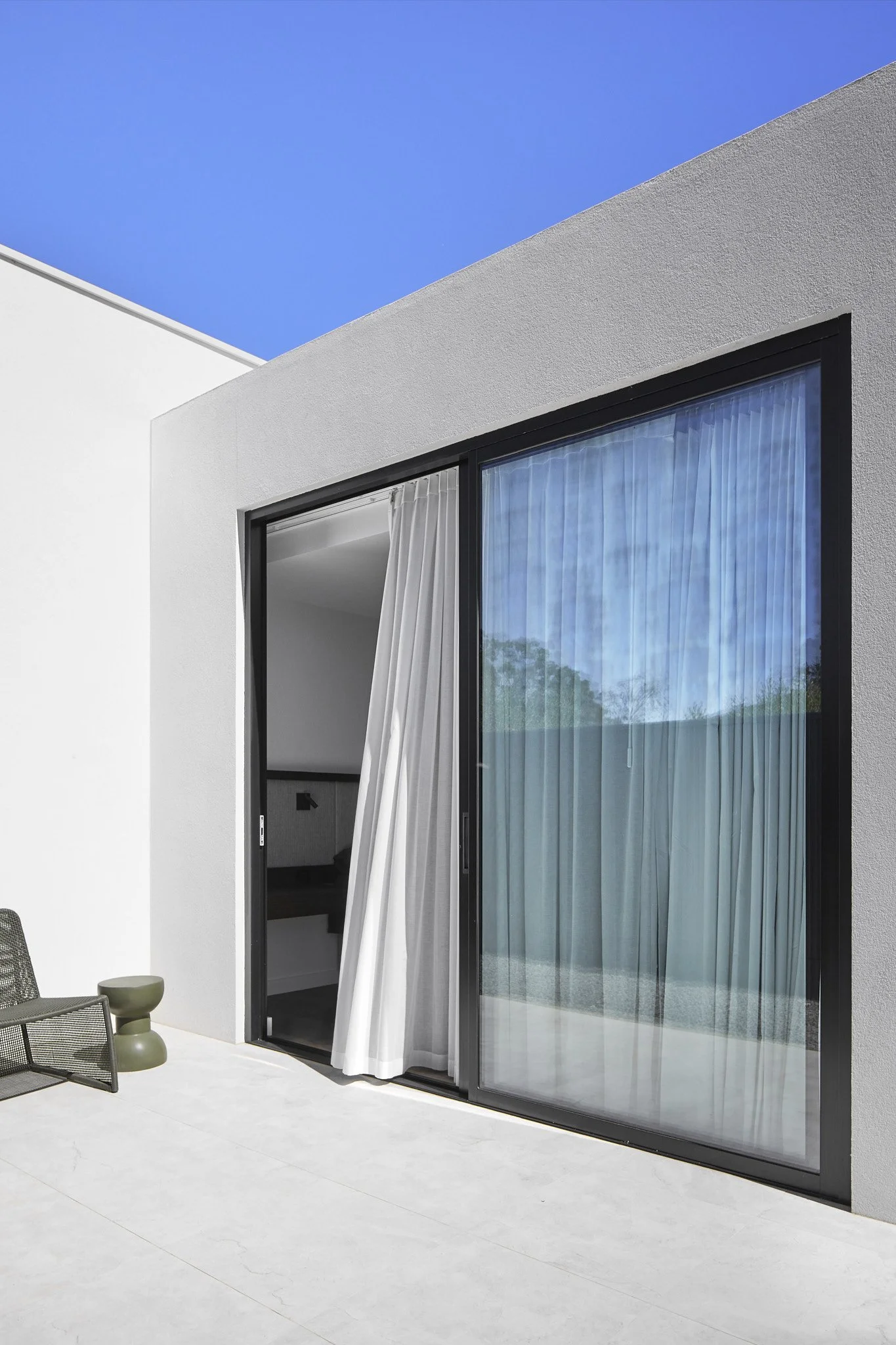
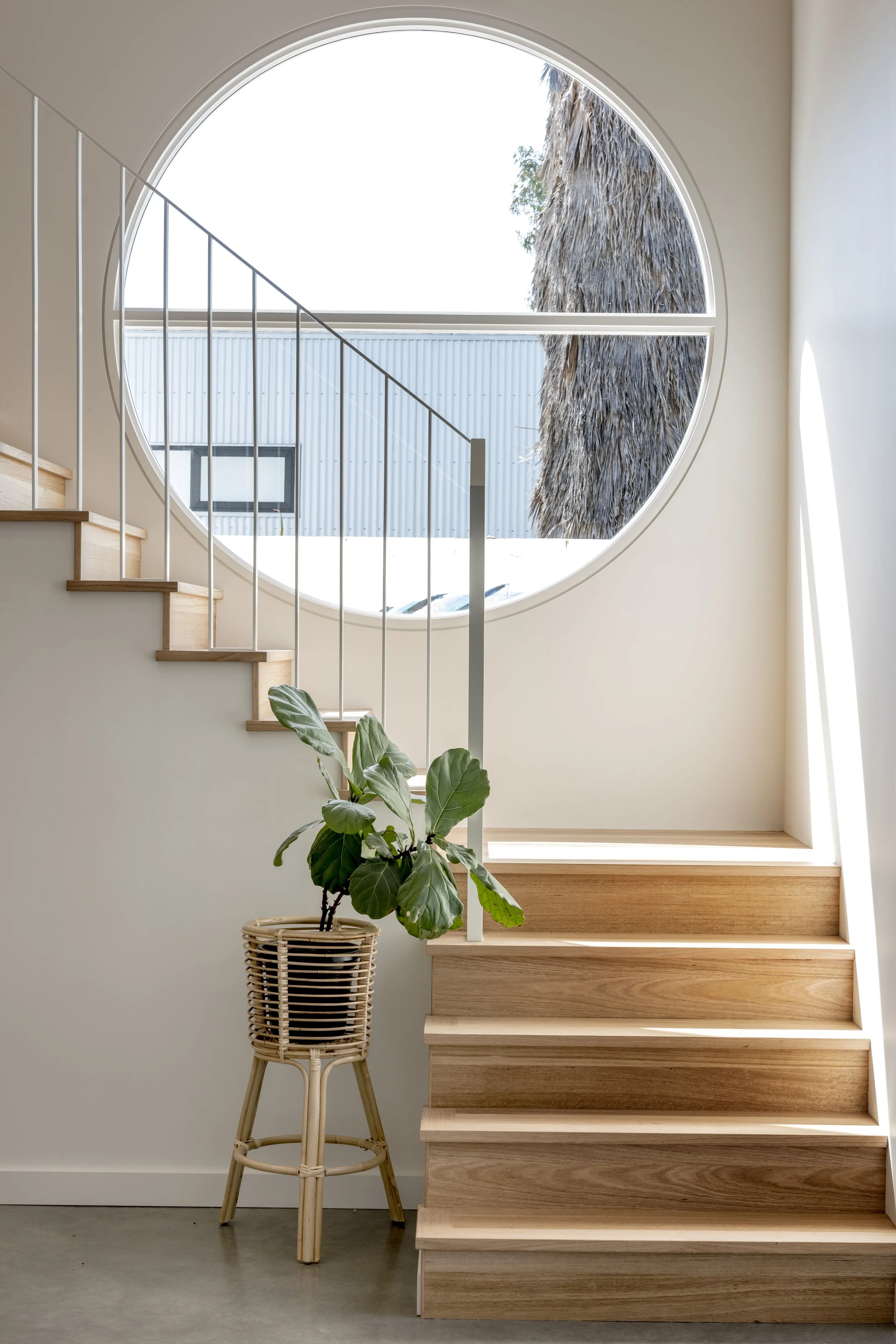
UNDERSTANDING PERFORMANCE METRICS
When choosing glazing, your first port of call should be performance metrics. These tell you how a particular product will perform in relation to a few important variables.
U-value
This measures the rate of heat transfer that’s caused by differences in temperature between the inside and outside of your home. The lower the U value, the less heat that will be transferred through the window and the more consistent the indoor temperatures will be.
SHGC (Solar Heat Gain Coefficient)
Represented as a number between 0 and 1, this measures the amount of solar radiation that’s transmitted through a window. A lower SHGC means there will be less solar heat transmission, which is good for hot climates. A higher SHGC means the opposite and can be beneficial in cooler climates.
VLT (Visible Light Transmission)
Expressed as a percentage, this measures how much visible light passes through the glass. The higher the percentage, the more natural light that will permeate a space.
Rw (Weighted Sound Reduction Index)
This is used to measure acoustic performance and how well glass reduces sound transmission. The higher the number, the less sound that will pass through the glass.
HOW TO CHOOSE?
Now that you understand the performance metrics, you have the information you need to start choosing a product. The key here is to identify your priorities and then find a balance between each of the metrics, your needs, and your budget.
If this sounds like a lot, don’t stress. There are a variety of tools (such as WERS) that can help inform your decision, and your designer or architect can also offer plenty of advice. In the meantime, here are some key things to consider.
Cost: Your first step is, of course, to look at your budget and identify what your options are. In general, the higher the overall performance, the higher the cost.
Natural light: Your natural light needs should inform whether or not more affordable window films are a suitable option. Reduced natural light isn’t necessarily a bad thing—it can be good for privacy, glare control or even specific design aesthetics.
Council requirements: Always check to see if there are any council requirements for window performance. Homes near high-traffic roads or airports, for example, often have minimum acoustic standards that need to be met.
NatHERS rating: Glazing can play a significant role in your home’s overall NatHERS rating. If your rating needs to be improved, upgrading your glazing might be one of the simplest and most effective solutions.
Cleaning and maintenance: Low-E glass and window films can sometimes be damaged by standard cleaning products (primarily ammonia-based or abrasive cleaners). Always check the product recommendations.
Scratch resistance: Depending on the location of the window, scratch resistance could have a big impact on long-term wear-and-tear.
Every window for itself
One of the most important things to keep in mind, though, is that there’s absolutely no need to have the same type of glazing everywhere.
Depending on their locations, elevations and orientations, each of your windows will require varying levels of performance. A window that faces a busy road to the north may need high levels of thermal and acoustic performance. But for a window that receives little sunlight or sound disturbance, the same level of performance will be much less impactful. We do, however, recommend staying consistent with either residential or commercial joinery, as mixing the two would look visually odd.

At our Mount Pleasant project, double glazing was considered throughout but, to reduce costs, the clients ultimately chose to limit it to areas where it was necessary.
Ultimately, while it may seem like there are endless options, your decision should become a bit easier when you start narrowing down your options with the performance metrics, your needs and your budget. Do note, however, that window frames will also play a role in overall performance, but we’ll explore this in another blog. In the meantime, if you have any questions, always feel free to get in touch.