
One of the best materials to salvage from a house that’s being demolished is the timber. But getting it out is no easy task. In this blog, we’ll run through how we work out if the timber is worth salvaging, how we get it out, and some of the many ways it can be reused afterwards.
WHY SALVAGE YOUR TIMBER
The most significant reason to salvage and reuse timber is because doing so keeps it out of landfill. This not only reduces unnecessary waste, but also reduces the need for new timber and the environmental costs that come with that.
Old-growth timber—which is what you’ll likely be salvaging if you have an old house—is also becoming increasingly rare, but is often of higher-quality than the newer, fast-growing alternatives. And, it’s available in colours, textures and lengths that are very difficult to find in newer products.
Then there’s the historical character that you simply can’t recreate with new materials. Each piece of timber has its own story. Carrying this through into your new design ensures that story continues—and will also give you a good conversation starter.
THE STRIPPING PROCESS
Identifying if it’s worth salvaging
Despite all the benefits of salvaging timber, the process of getting it out is quite laborious, so it’s first important to identify whether it’s actually suitable for reuse. While you can’t know for certain until it’s been pulled out, there are a few key things we look out for:
The condition of the house: Even before we see the timber, the overall condition of the house can offer some important insight into what to expect. If, say, the ceilings are moulded or saturated with water, there’s a good chance the timber is as well. We might hope for the best, but we’ll expect the worst.
Visible timber: We’ll also take note of the condition of any visible timber, such as floorboards and joinery. If it’s soft underfoot, discoloured or there are signs of insect activity, we’ll be a bit wary.
Foundations: We’ll only salvage timber flooring from buildings with stump foundations. If it’s on a concrete slab, chemical adhesives make it virtually impossible to remove without causing further damage.
If everything looks pretty good during that inspection, we’ll then look at it in a bit more detail to assess its value and identify the pieces that are worth salvaging.
The removal process
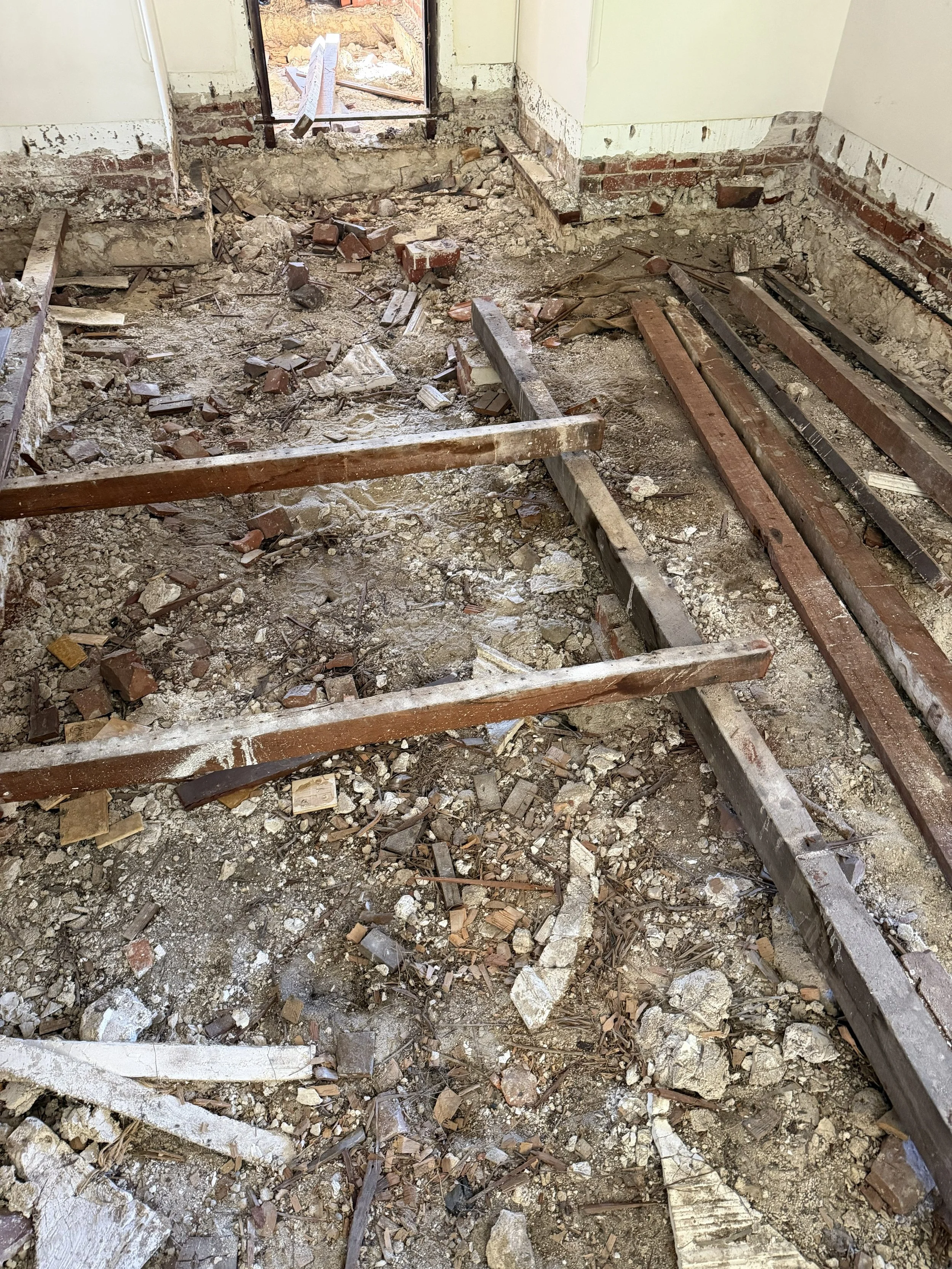
Pulling out the salvageable timber essentially involves a careful deconstruction process, which usually requires a team of 10 or so people and can be done by any demolition company. To keep the timber in good condition and minimise disruption to the rest of the demolition it should be done with a systematic approach. Most of the time, it should look something like this:
Disconnect the water, sewerage, gas and electricity.
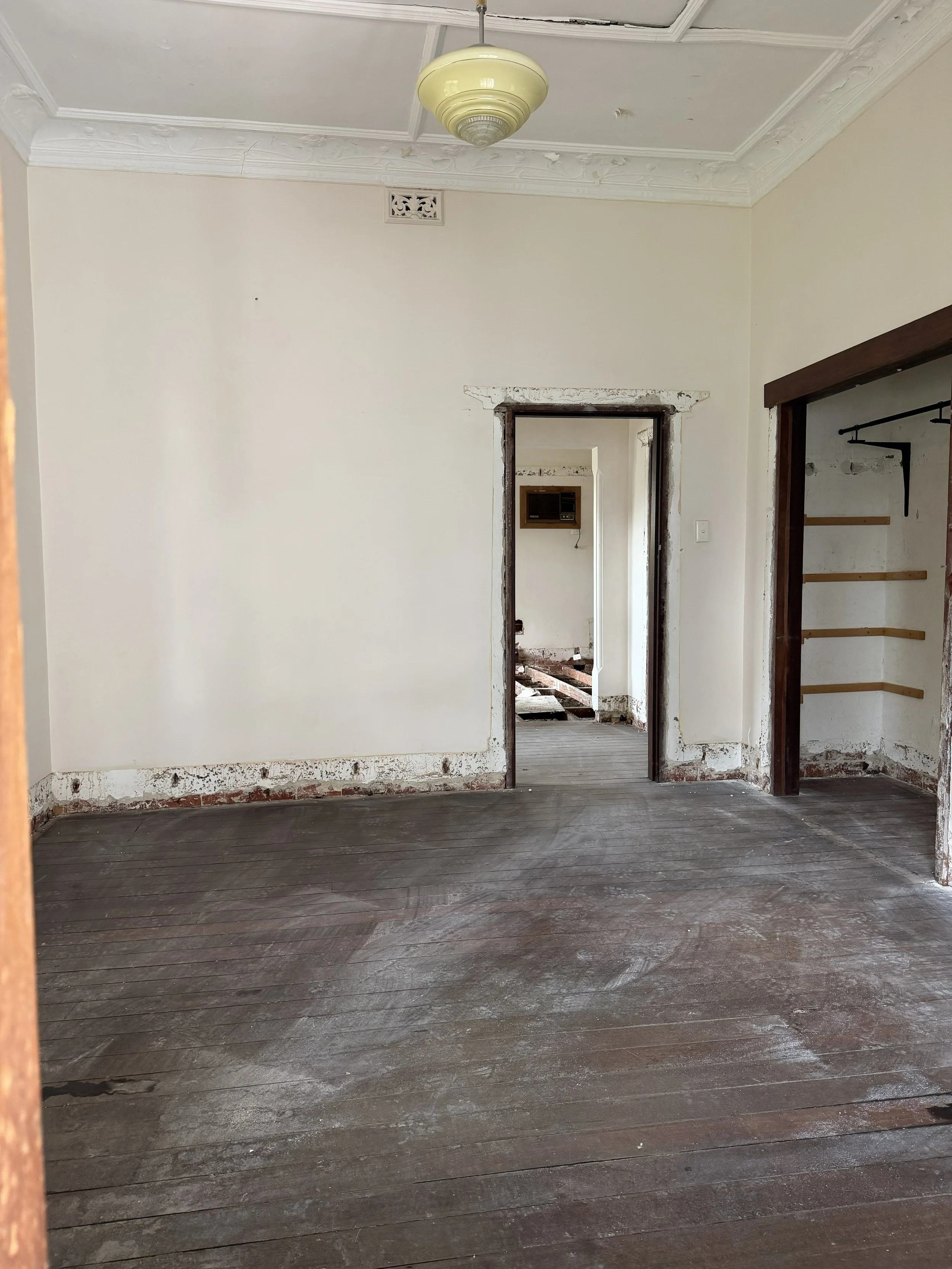
Start inside by removing the doors, doorframes, skirtings, and mouldings. These are often the easiest to remove and could be damaged if left until later.
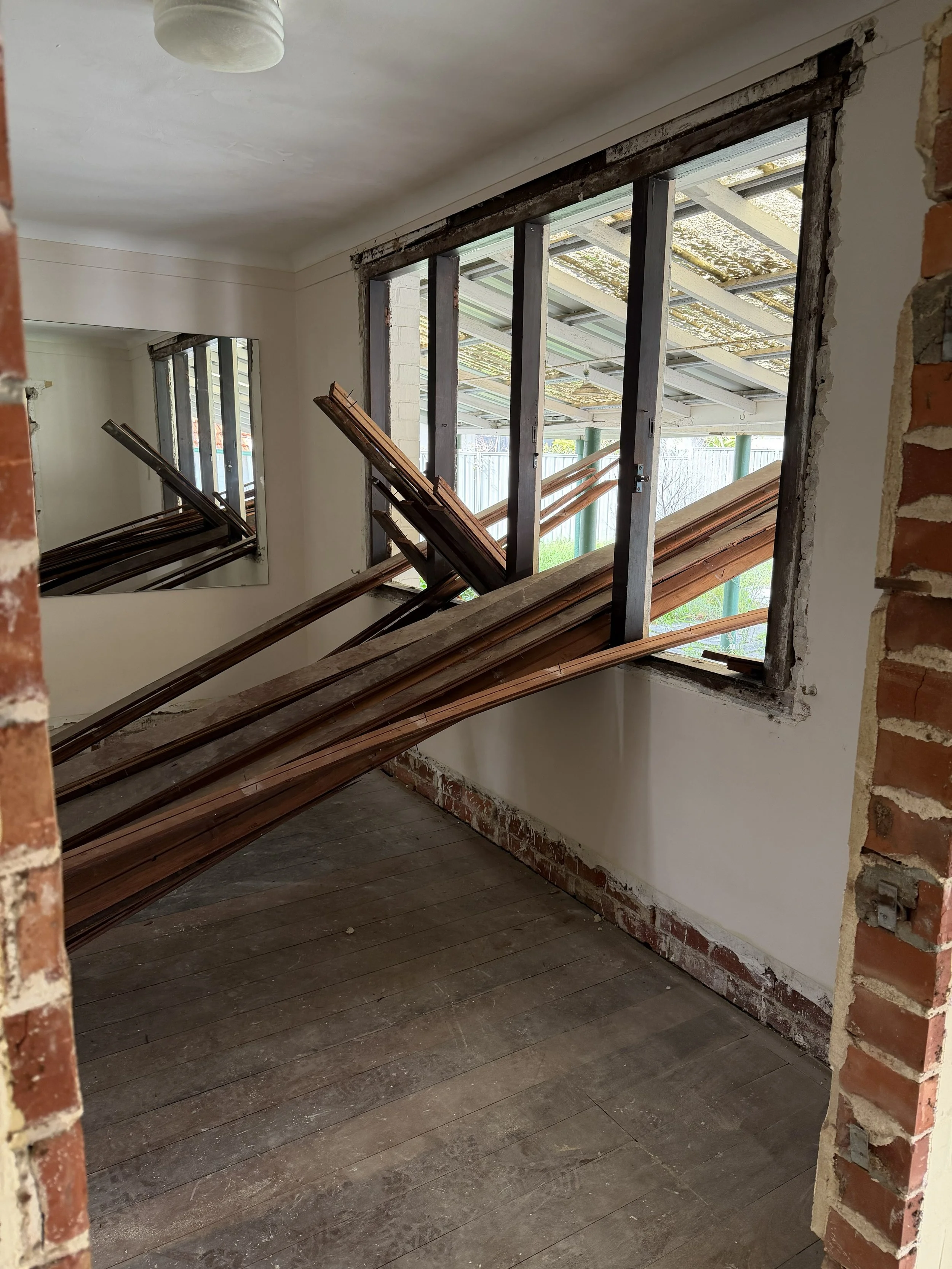
Next, remove the windows and window frames. The openings can then be used to pass the rest of the timber through.
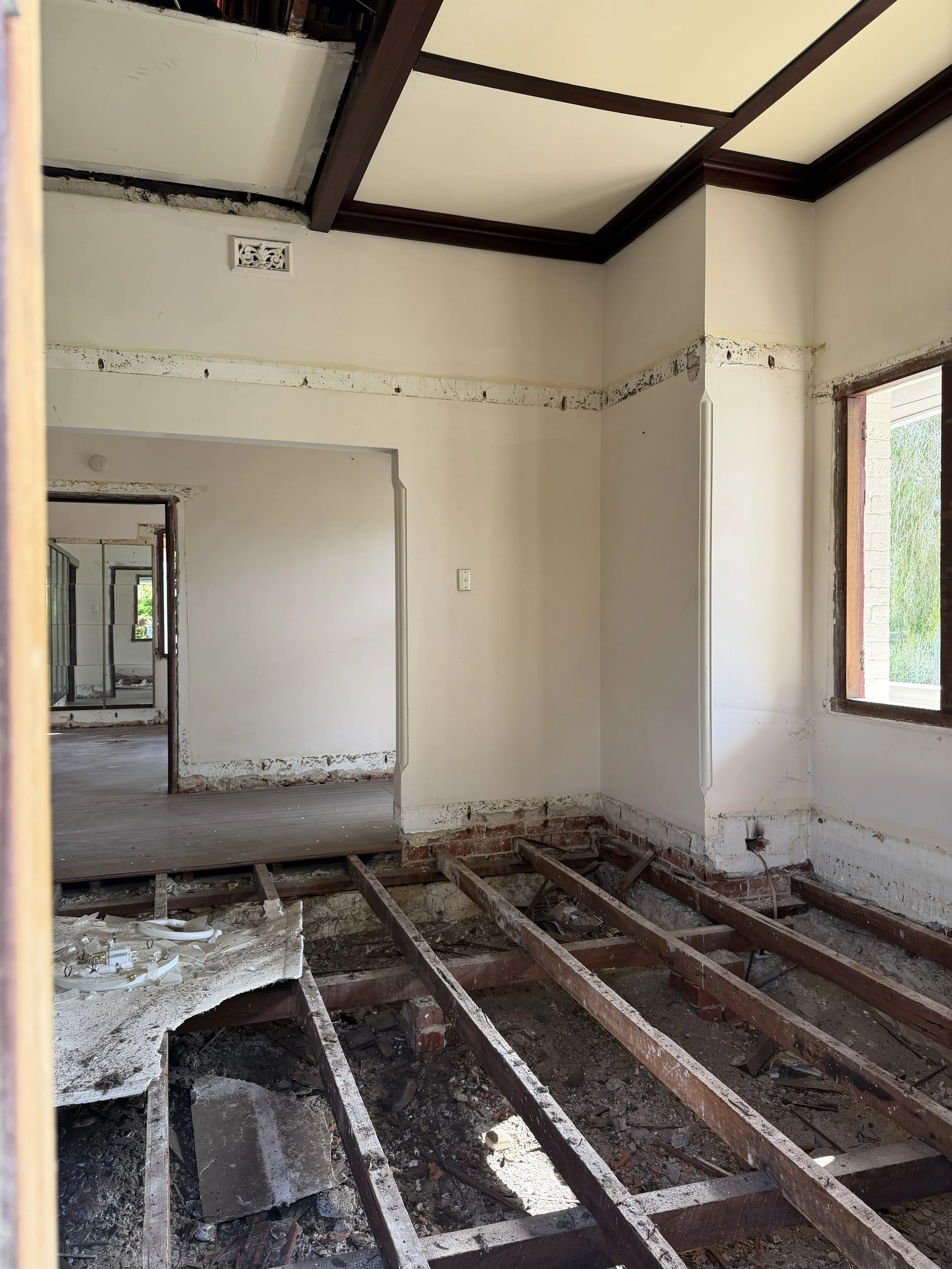
Leave the floorboards and substrate (floor structure) until last. This will ensure there’s a safe surface to stand on for as long as possible.
Once the inside is complete, move outside and remove any remaining window and door frames, along with decorative trims.
If recovering timber cladding, remove it one board at a time, usually from top to bottom.
Finally, if you intend to salvage framing and structural timber this will need to be done throughout a longer dismantling of the entire structure and should be done top down.
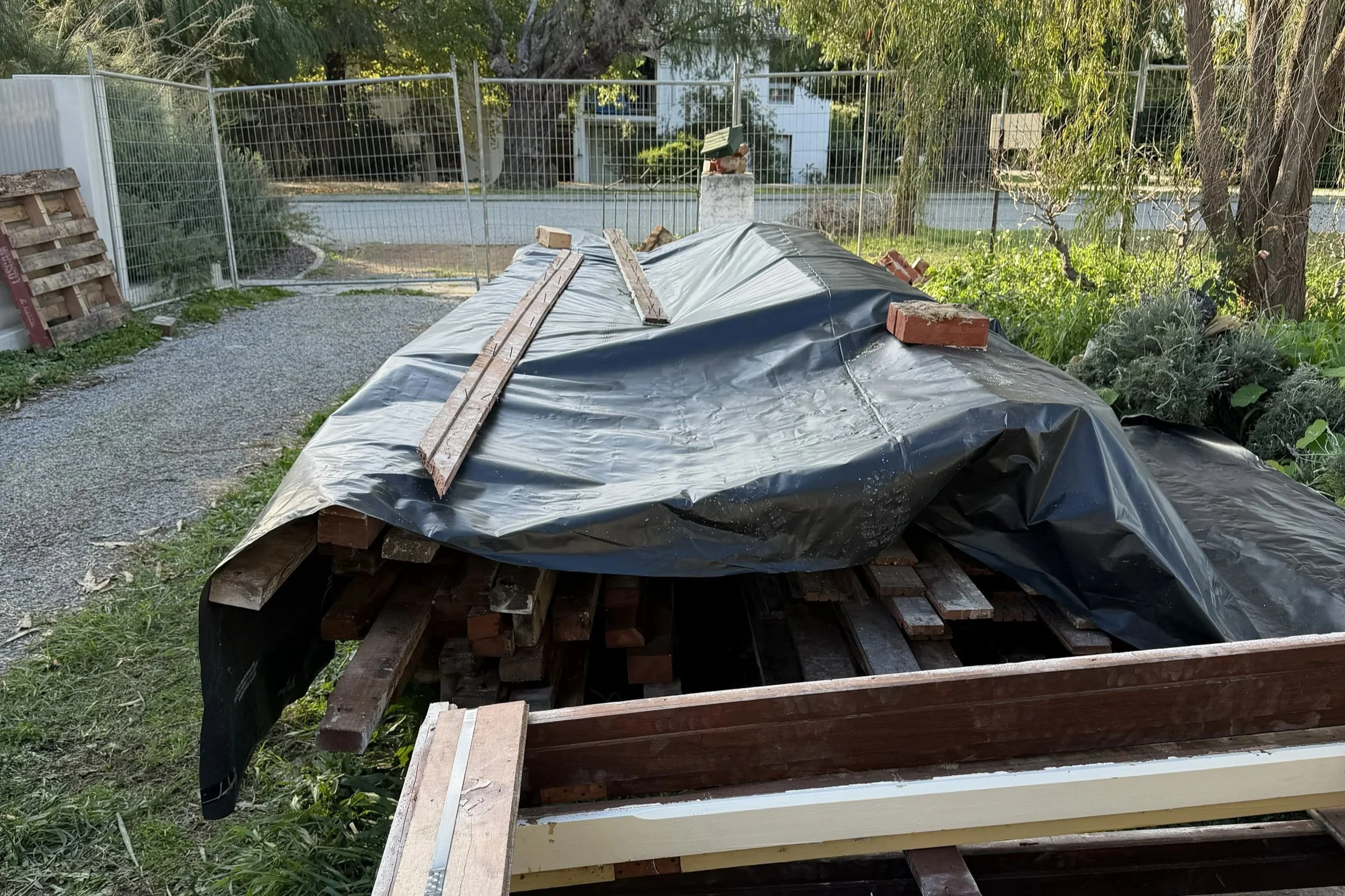
Once pulled out, all pieces should be de-nailed immediately on-site to minimise damage. If pressed for time, cut the nails flush to the wood for later removal. Timber stored on-site should be laid horizontally on level bearers to prevent warping, and covered by a tarp to stay dry.
When finished, the timber can all be transported off-site for long-term storage. Any other treatment can wait until it’s about to be reused.
A few tips
Remove each board the way it went in: To ensure the timber comes out in as good a condition as possible, it’s best to work out which way it was installed, and remove it the same way.
Maintain the length: Don’t be too hasty to cut the timber for the sake of transport. Longer lengths can be very difficult to find, so there’s a lot of value in keeping them.
Low quality = good firewood: If you do pull out something that’s not quite salvageable, don’t assume it has to go to the tip. As long as it hasn’t been chemically treated, it can still be used as firewood.
Keep an eye out for knick knacks: We often come across old newspapers and coins that found their way under the house when it was first built. And, given old homes are often owner-built, we wouldn’t be surprised if something even more valuable is stashed somewhere inside.
THE MANY WAYS SALVAGED TIMBER CAN BE USED
When it’s finally time to reuse your salvaged timber, your options will depend entirely on how much you were able to save and how creative you want to be.
Recycled flooring
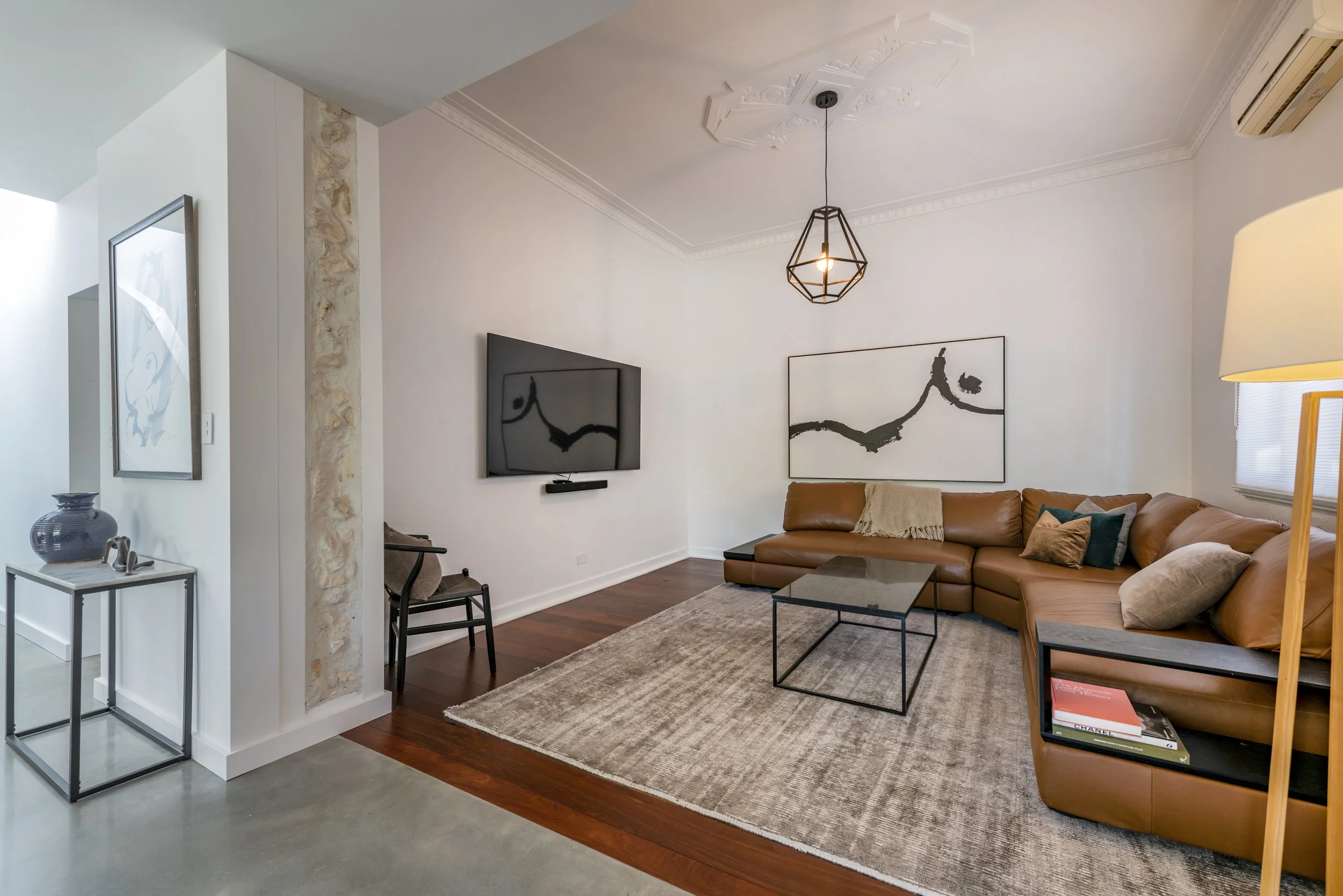
If you’re lucky enough to be able to salvage old-growth timber floorboards, reusing it is almost a no-brainer. At our Fremantle renovation project, recycled Jarrah floorboards were paired with polished concrete for the perfect blend of contemporary design and respect for the original.
Feature walls
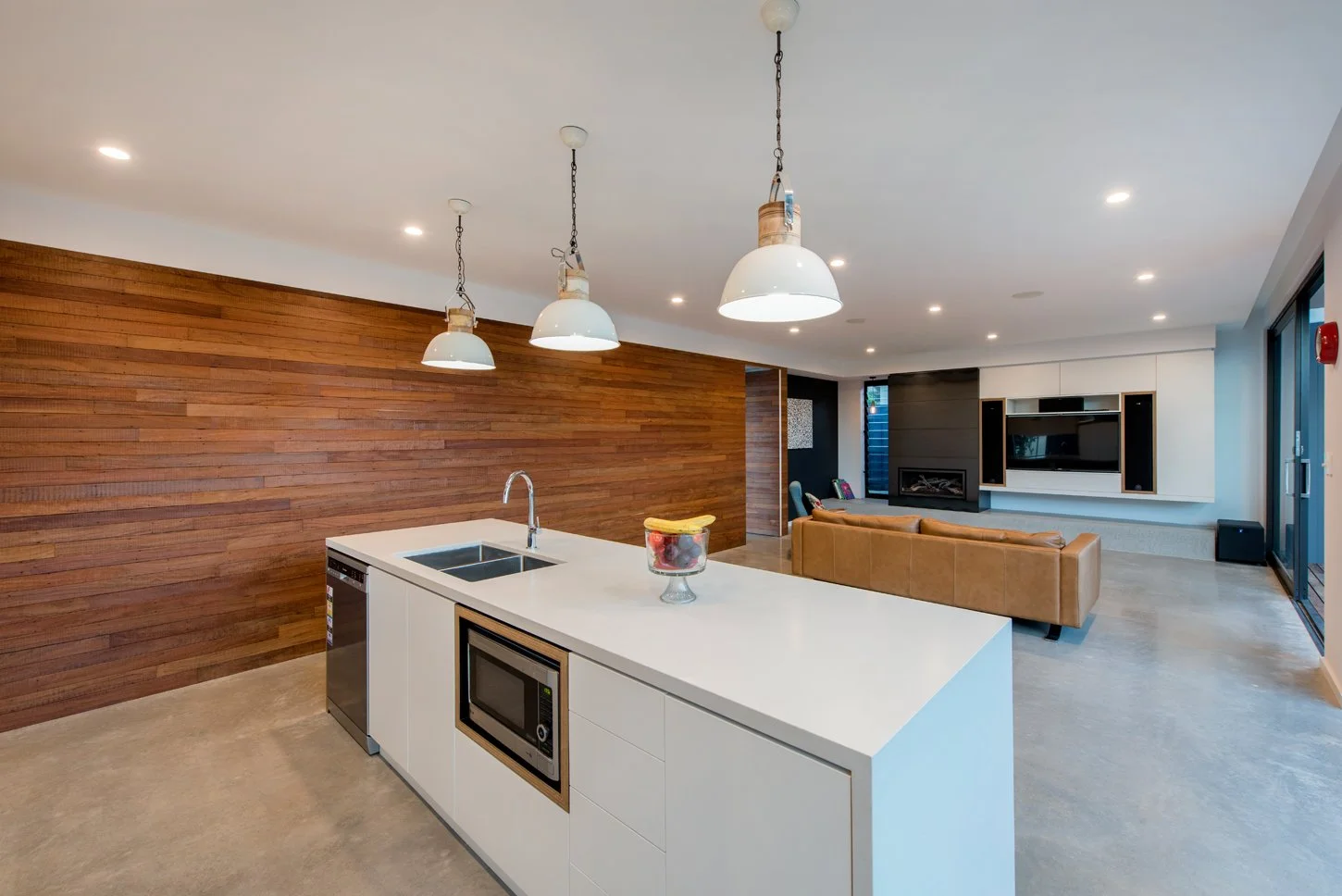
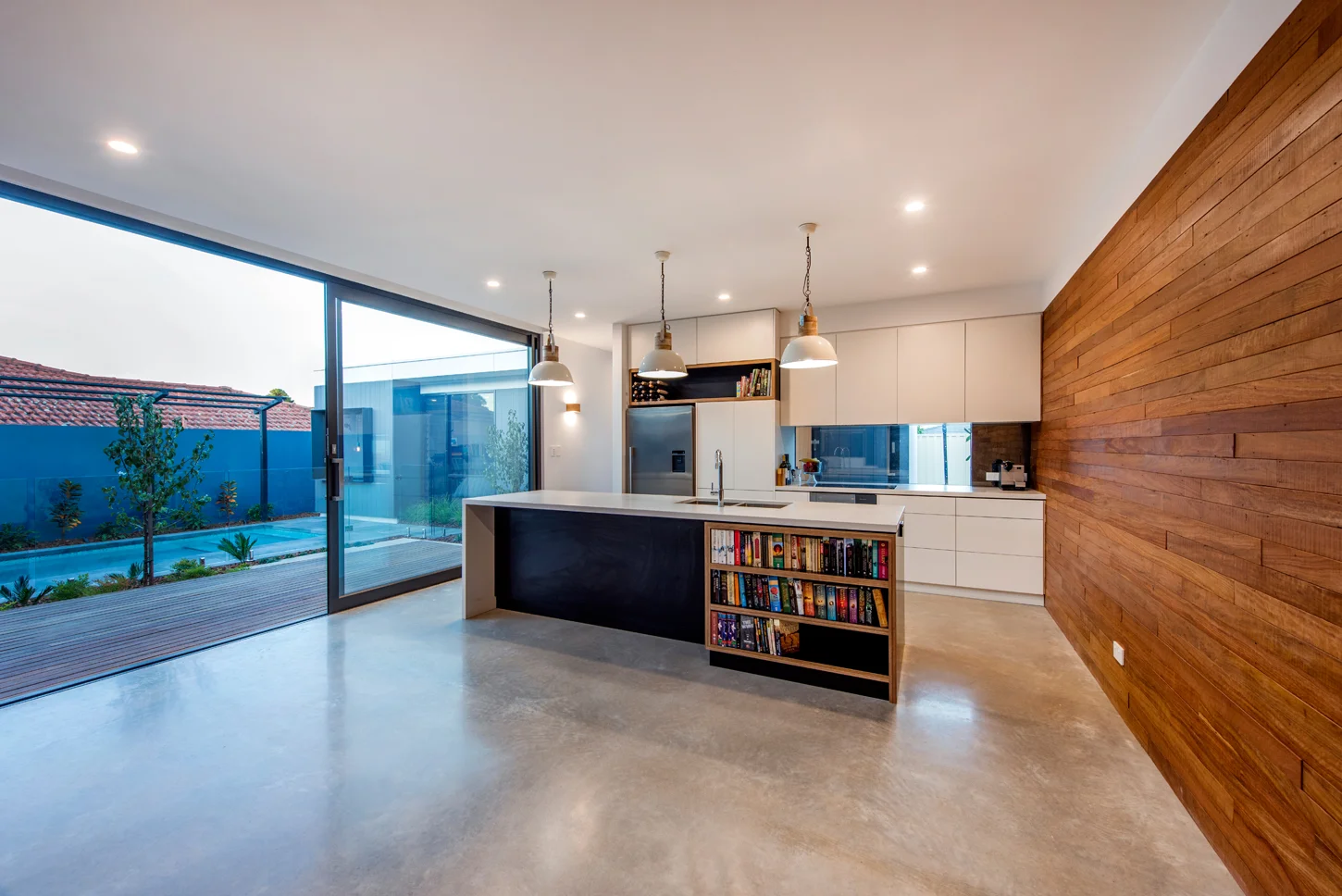
It can also become one of the standout features of a home, like at our Melville project where an entire wall was finished with recycled timber joists. The rich Wandoo timber—which is basically like gold if you’re lucky enough to find it—brings a raw warmth to what is otherwise a very contemporary design. And for an added touch, the clients really leant into the imperfections that make salvaged timber so special.
Off-form concrete
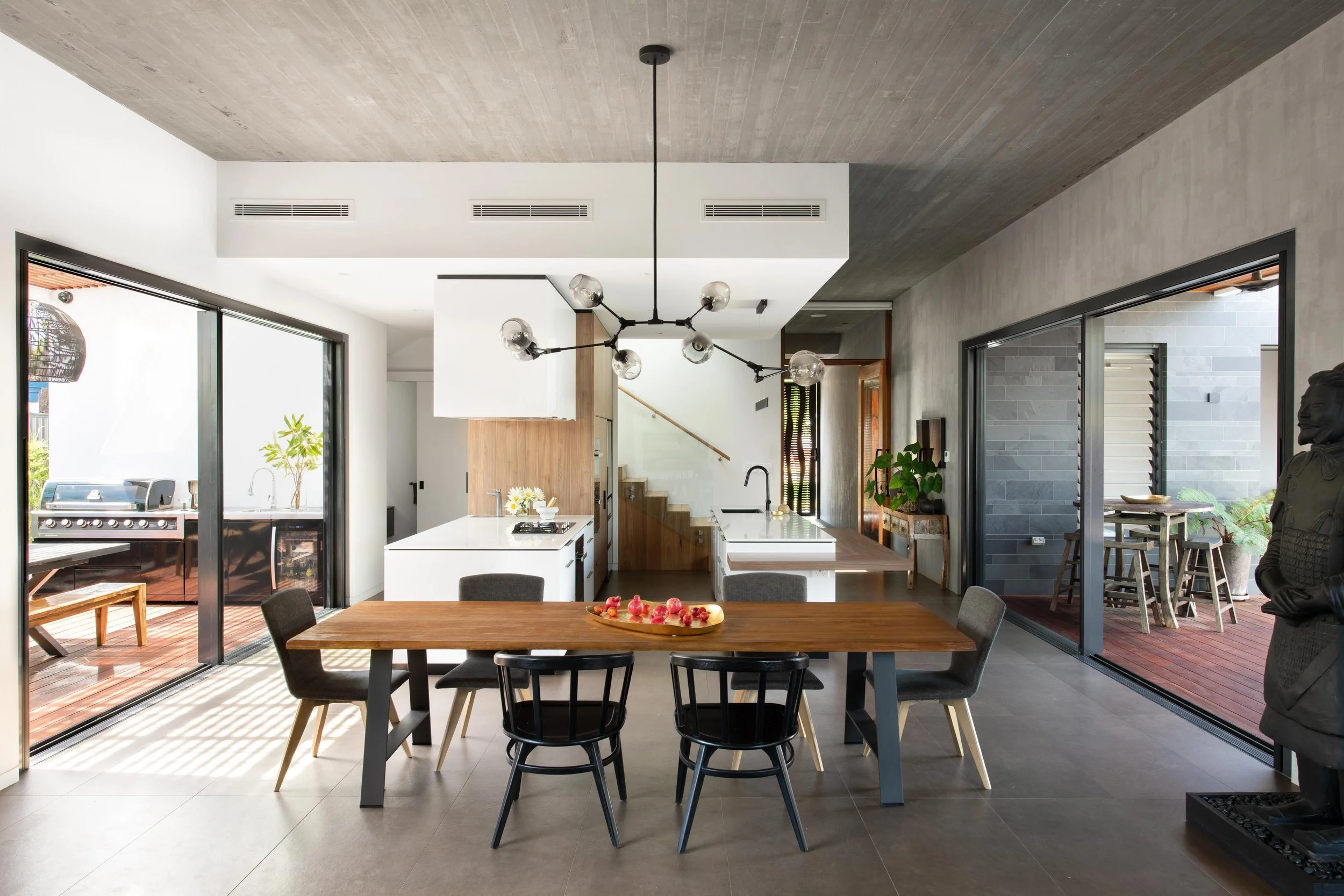
At our Ardross project, our clients opted for a different solution by using the timber boards from the original house to create an off-form concrete ceiling. Rather than using the timber directly, it was instead used as the mould for a textured concrete finish. This makes it a great option for salvaged timber that’s not quite good enough to reuse.
Be as creative as you want
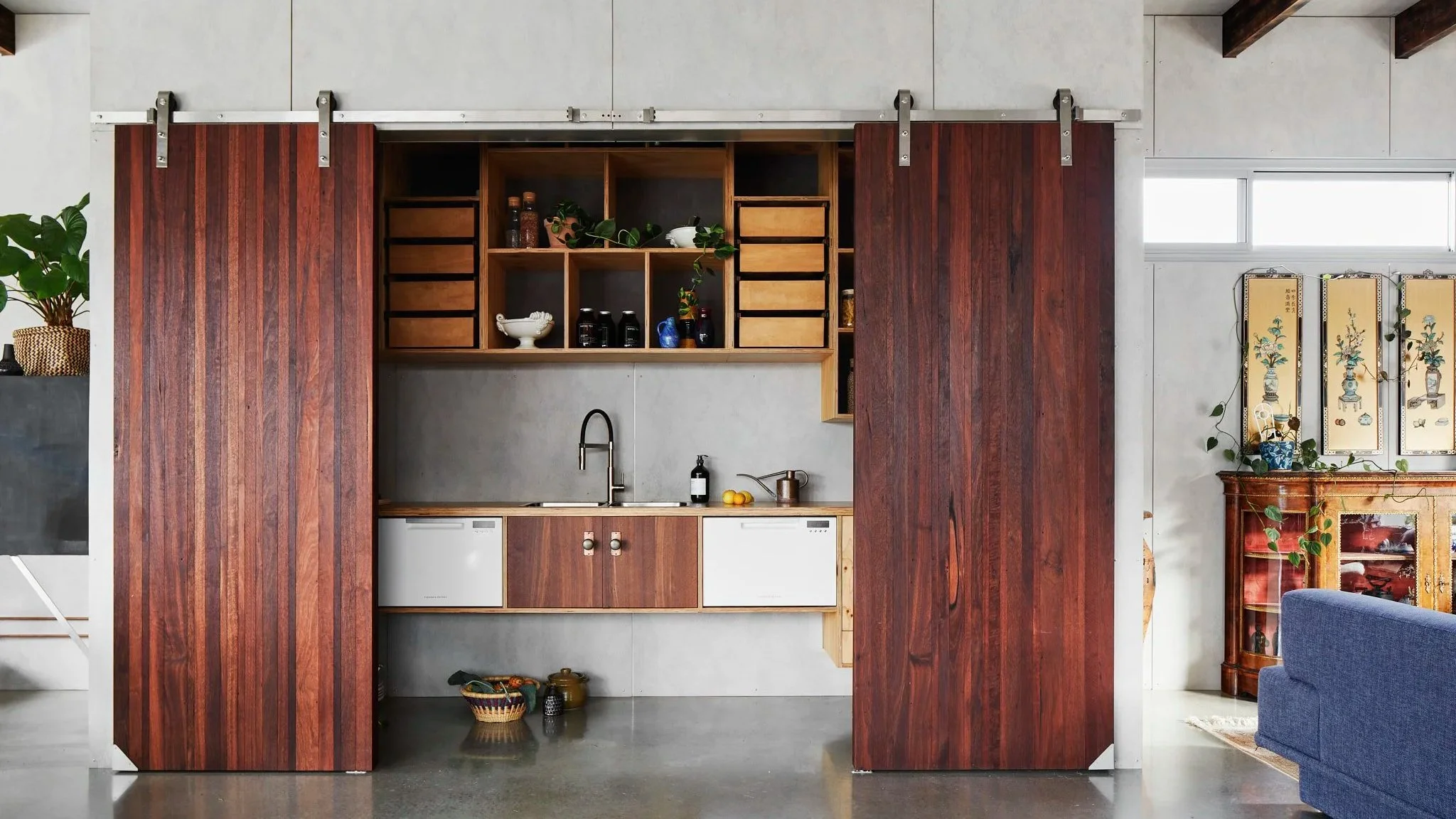
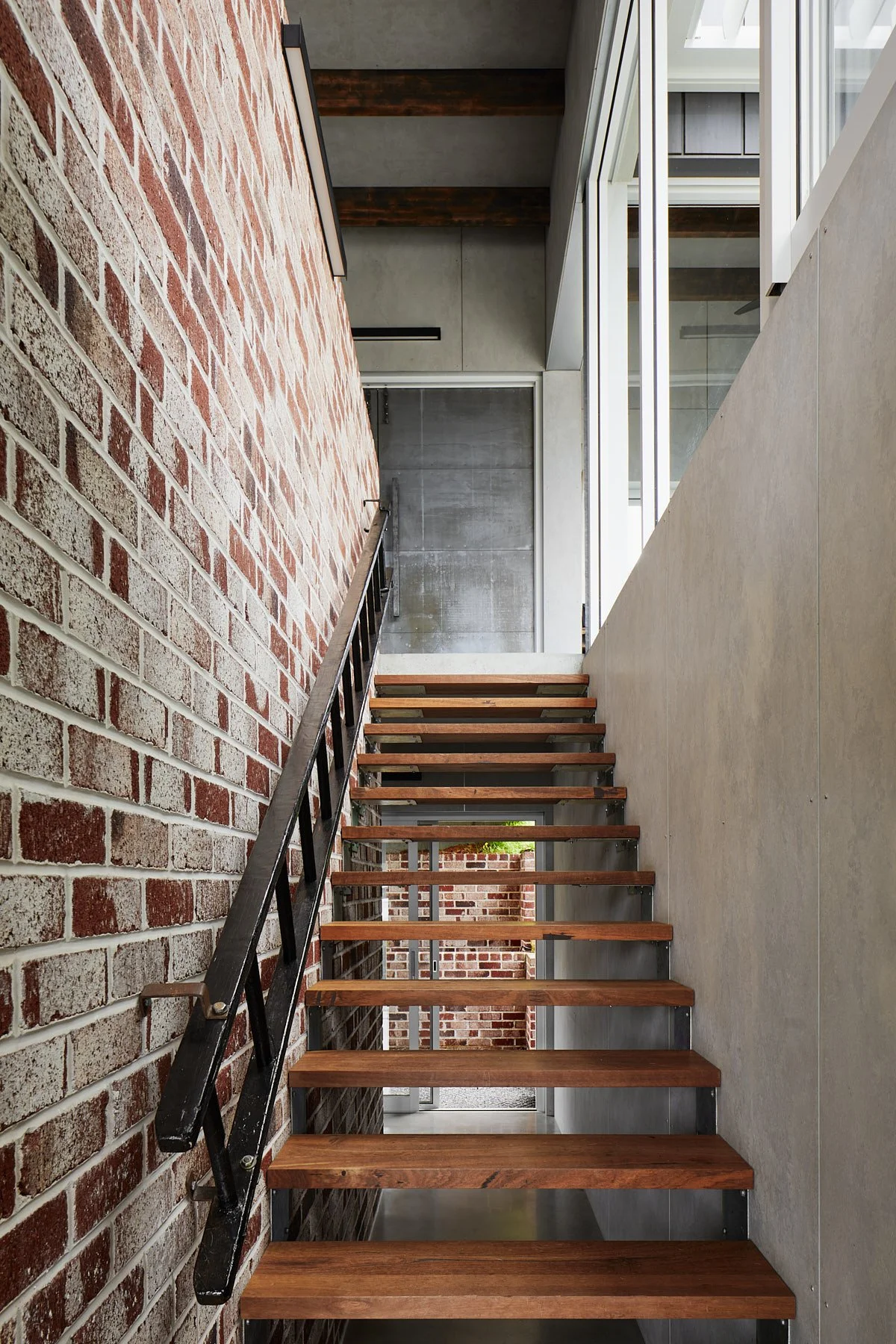
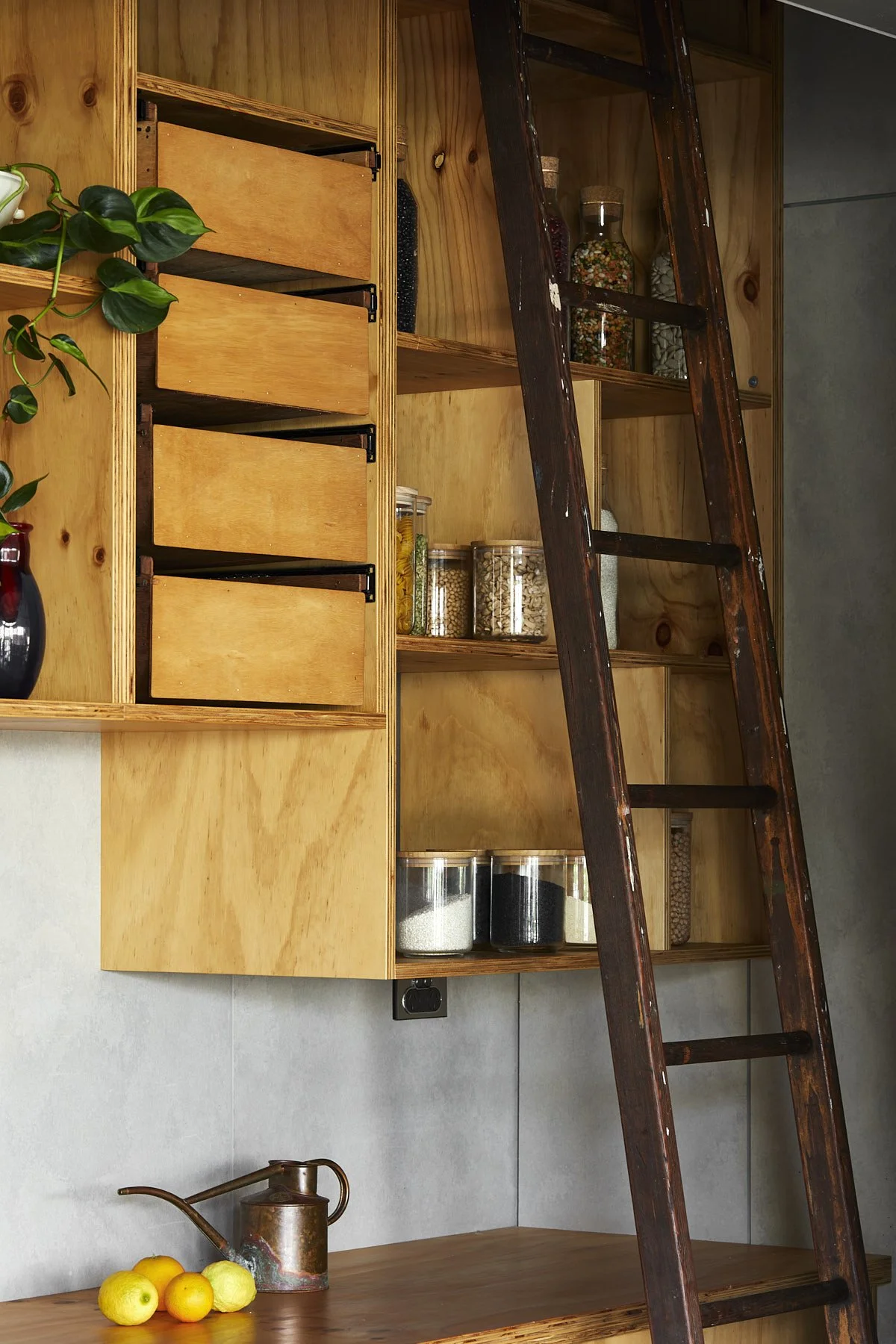
The endless creative possibilities are particularly well highlighted at one of our East Fremantle Projects, where recycled timber (and other materials) can be found throughout. The internal doors have all been restored from the original house, while the stair treads were upcycled from the bearers and joists. Even the drawers in the pantry have been restored (with a fair bit of effort) from one of the home’s original wardrobes.
Planning a demolition and rebuild, and want some advice on salvaging the timber. Feel free to get in touch!