

Take a walk down almost any street in Australia and there’s a good chance that at least one of the homes is doing something ‘smart’. In other words, the home appliances, security features, or climate controls have been connected to the internet so they can be automated and controlled remotely. But if you’ve ever looked into smart home inclusions, you’ll know that they can quickly become complicated. So, we thought we’d offer a builder’s perspective on the pros and cons of smart home inclusions and, most importantly, some trade secrets for seamless integration.
WHAT CAN BE SMART?
Nowadays, the possibilities of smart home integration are almost endless, and nearly every part of a home can be connected to a smart system. It might be as simple and affordable as a single ‘plug-and-play’ light, or as complex (and costly) as a ‘whole-of-home’ system that manages everything from lighting and climate control to access and security. Some potential options include:
Security systems: Usually one of the first features people choose, smart security systems generally involve cameras that can provide real-time alerts to your phone and may even let you communicate through an intercom.
Lighting: Smart lighting allows you to remotely control the lights or schedule them to turn on and off at certain times. It can be as minimal or extensive as you’d like; smart bulbs can be screwed into existing fixtures, smart plugs can be used to connect a single lamp, or smart switches can be installed to control all the lights in the house.
Blinds and curtains: These are a great option for temperature control and privacy. They can be scheduled to open and close at certain times of day, or even fitted with rain, sun, wind and temperature sensors to automatically respond to the weather—a particularly beneficial inclusion considering insurers often won’t cover damage to blinds that are left down during strong winds.
Climate control: Heating and cooling systems can also be integrated to automatically regulate temperature, optimise usage and improve energy efficiency.
Hardware: In some cases, it might even be worth including smart hardware, such as windows or skylights that are difficult to reach.
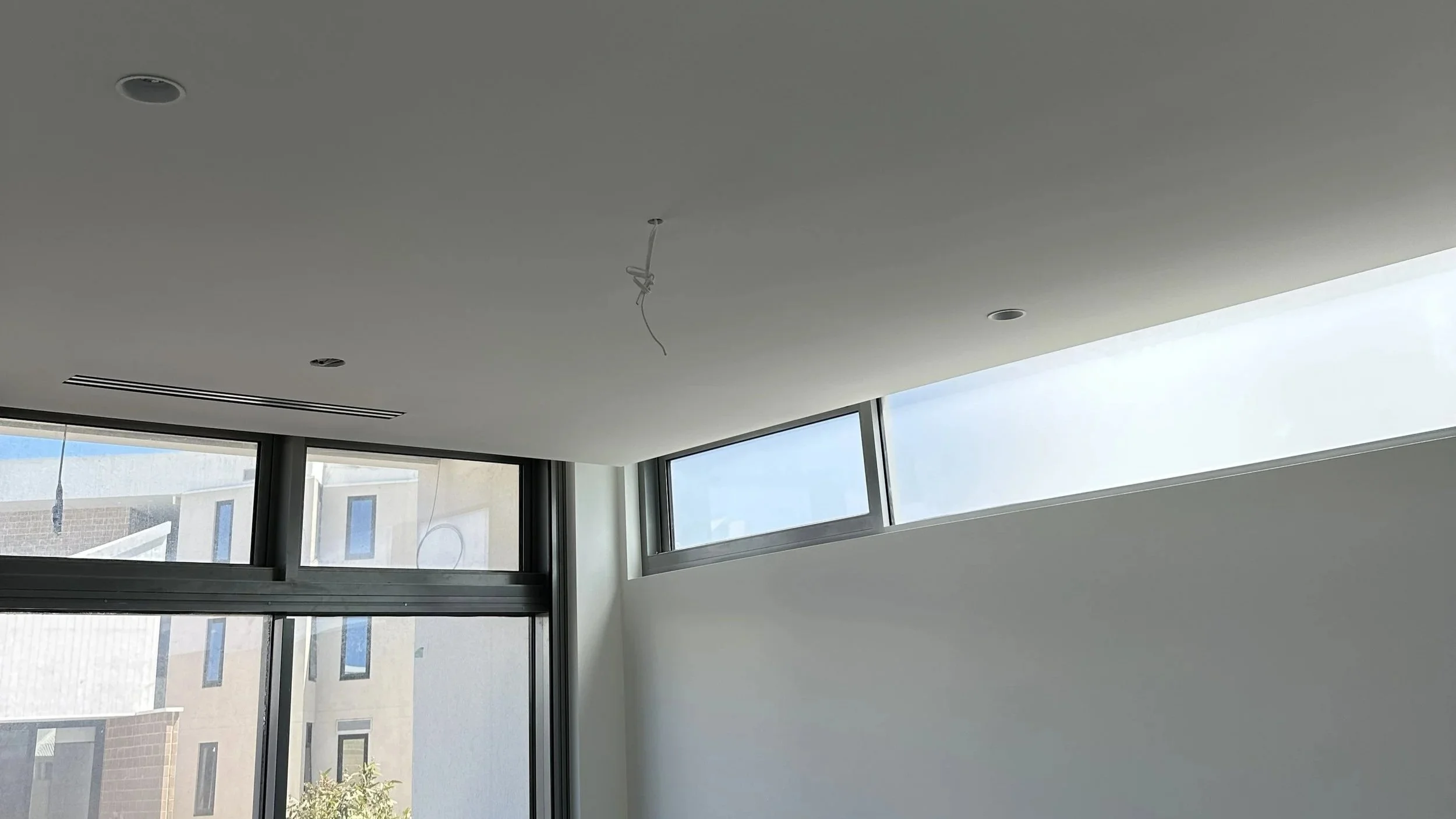
The difficult-to-reach windows at North Coogee (in progress).
THE BENEFITS OF SMART HOME INCLUSIONS
Security
For many people, the main reason to install a smart home system is to improve security. Not only can the cameras alert you if anything happens at home, but lights can also be scheduled to make it look like someone is always home—even if you’re going away for months.
Convenience
The convenience of smart home inclusions is a big one. And this doesn’t just refer to the fact that you can turn the lights off without getting out of bed—although this would be benefit enough. Where smart integration really stands out, is the ability to remotely control access. Delivery drivers can be let through the gate to drop off a package, and there’s no need to wait at home for the plumber or electrician to arrive if access can be managed remotely. For busy households, this can be a gamechanger.
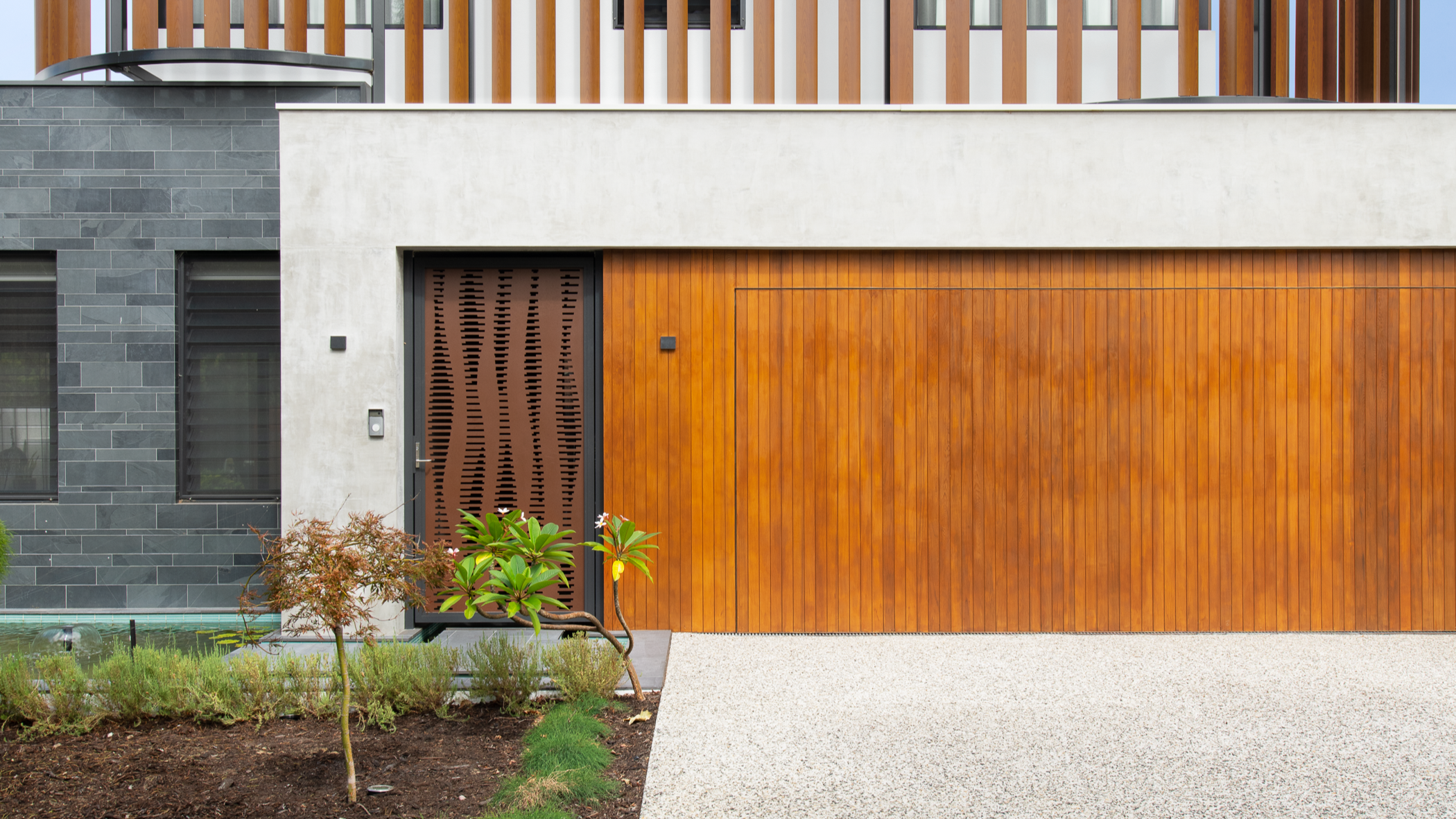
After the smart system had been installed at our Ardross project, our clients were able to give us access to site by opening the garage, all the way from their offices.

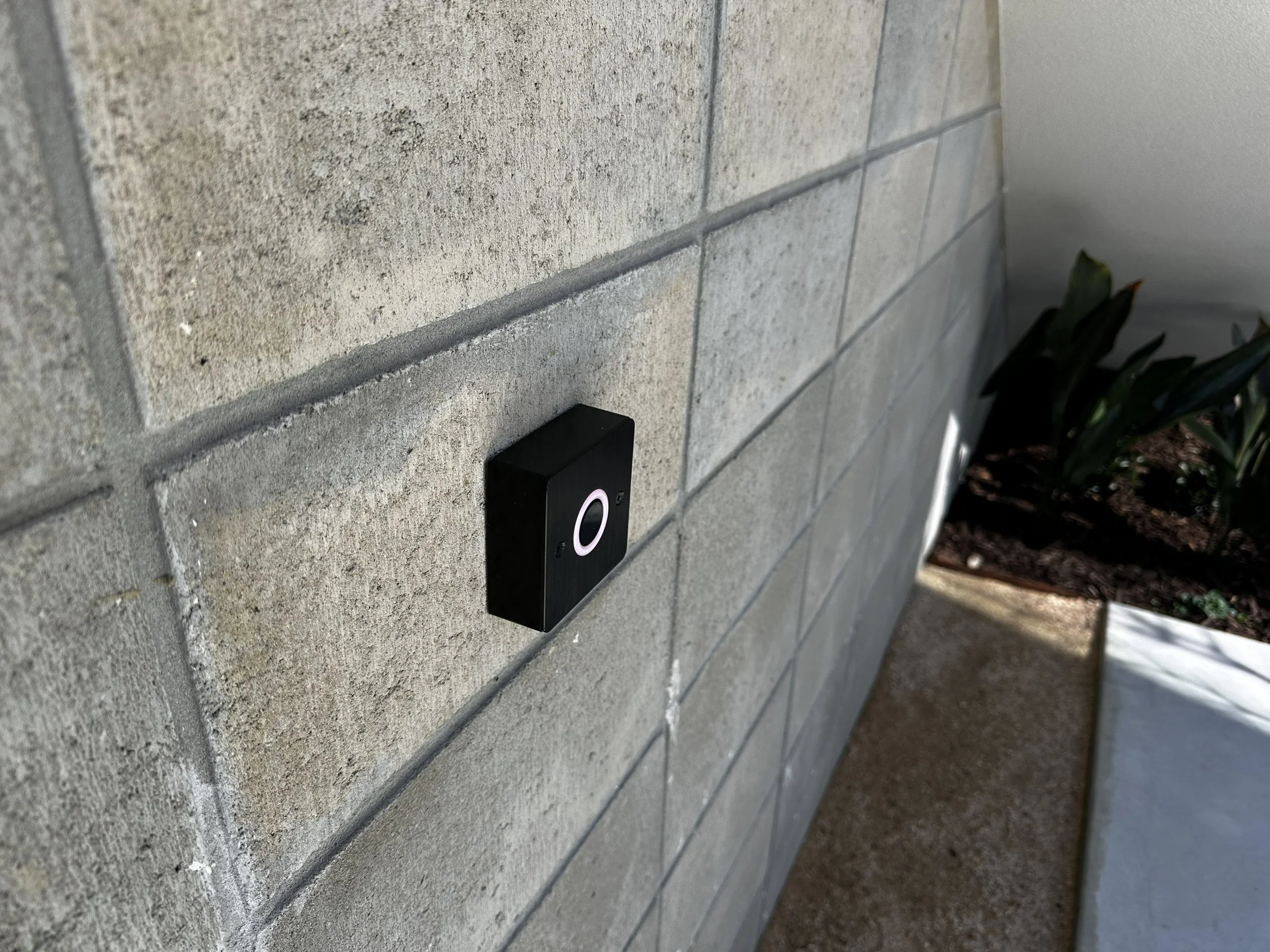
At our Banjup project, the front gate is quite a distance from the house, so a smart lock system is much more convenient.
Performance and energy consumption
Smart integration can also provide a clearer picture of how your home is performing. Smart meters and in-home energy displays can show real-time energy use and even indicate when prices are high or low, helping you decide when to run high-load appliances. Heating and cooling systems can also be programmed to maintain comfortable temperatures with as little energy as possible.
Fire protection
Smart systems can even be an important part of a fire plan. At our Banjup project, for example, fire sensors were installed to alert the homeowners in the event of a fire. The sprinkler system can then be activated remotely. Importantly, these systems are connected to the home’s solar system and a back-up battery, so they continue to operate even if mains power is lost.
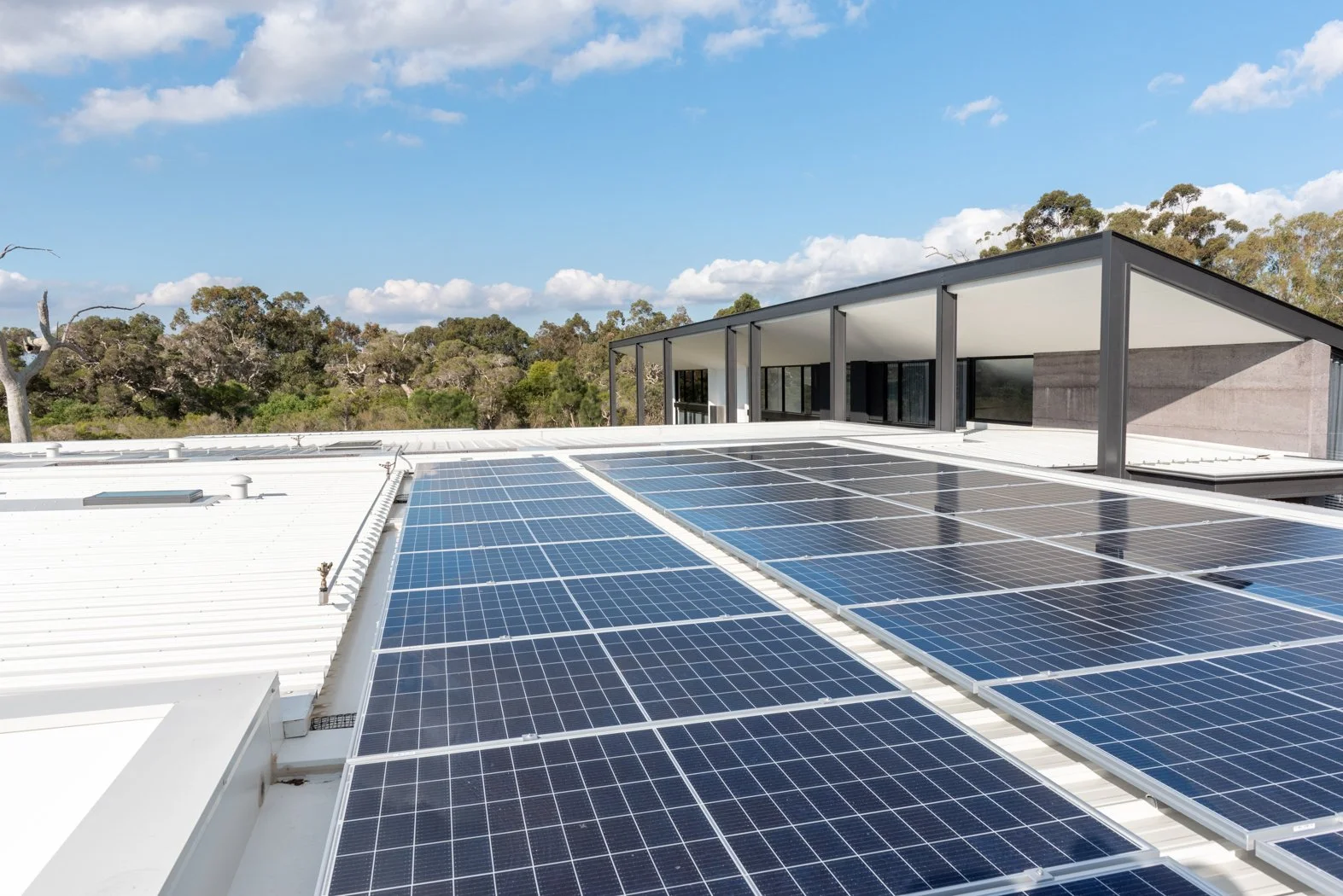
The solar power and sprinkler system can be monitored remotely at Banjup.
CONS
Cost: While some smart home inclusions have become more affordable, installing more extensive systems can still come with a significant cost, especially when retrofitting.
Future redundancy: Smart home technology is evolving quickly, so systems that are common today may become obsolete in a relatively short time.
Device compatibility: There are many different manufacturers of smart devices, and not all of them work together. This can result in very complex systems or significantly restrict your options.
Privacy: Lastly, as with any online technology, it’s worth considering privacy concerns as there is an increased risk of data breaches and hacking.
TIPS FROM THE TRADE
Think about it early
Whether you’re building new or renovating, it’s worth considering smart home integration—and engaging a smart home specialist—early in the design phase. This will ensure it’s properly considered in your design and budget and reduce the need for costly retrofitting later.
Retain manual control
To protect against internet and power outages, and the potential for future redundancy, make sure critical appliances and equipment can still function manually. Smart locks should still allow physical key entry and conventional light switches should still be installed. This will also ensure your home remains accessible for people who prefer—or need—to operate systems manually.
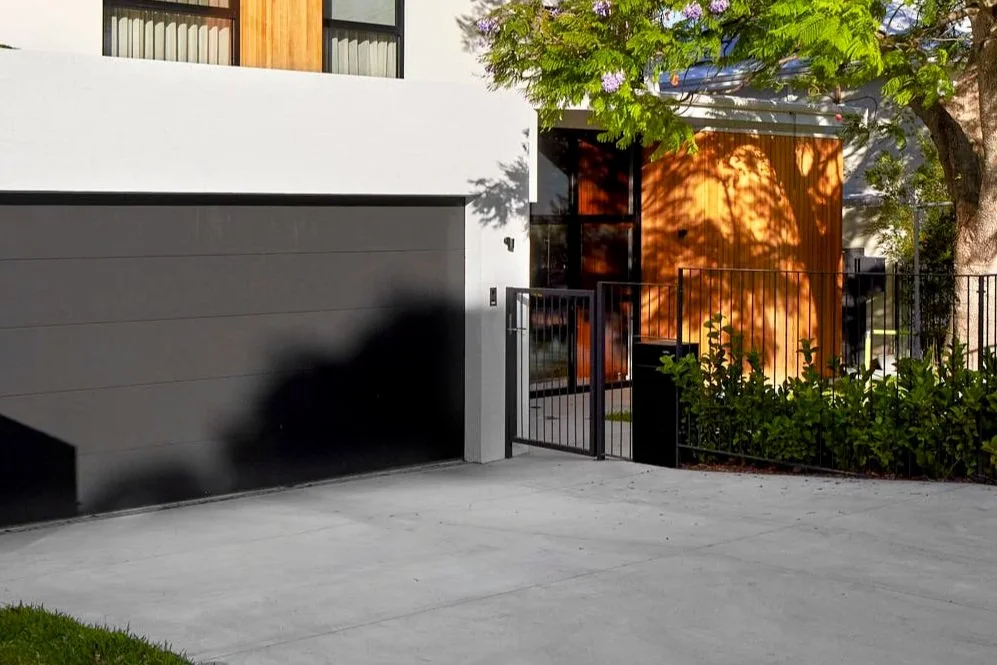
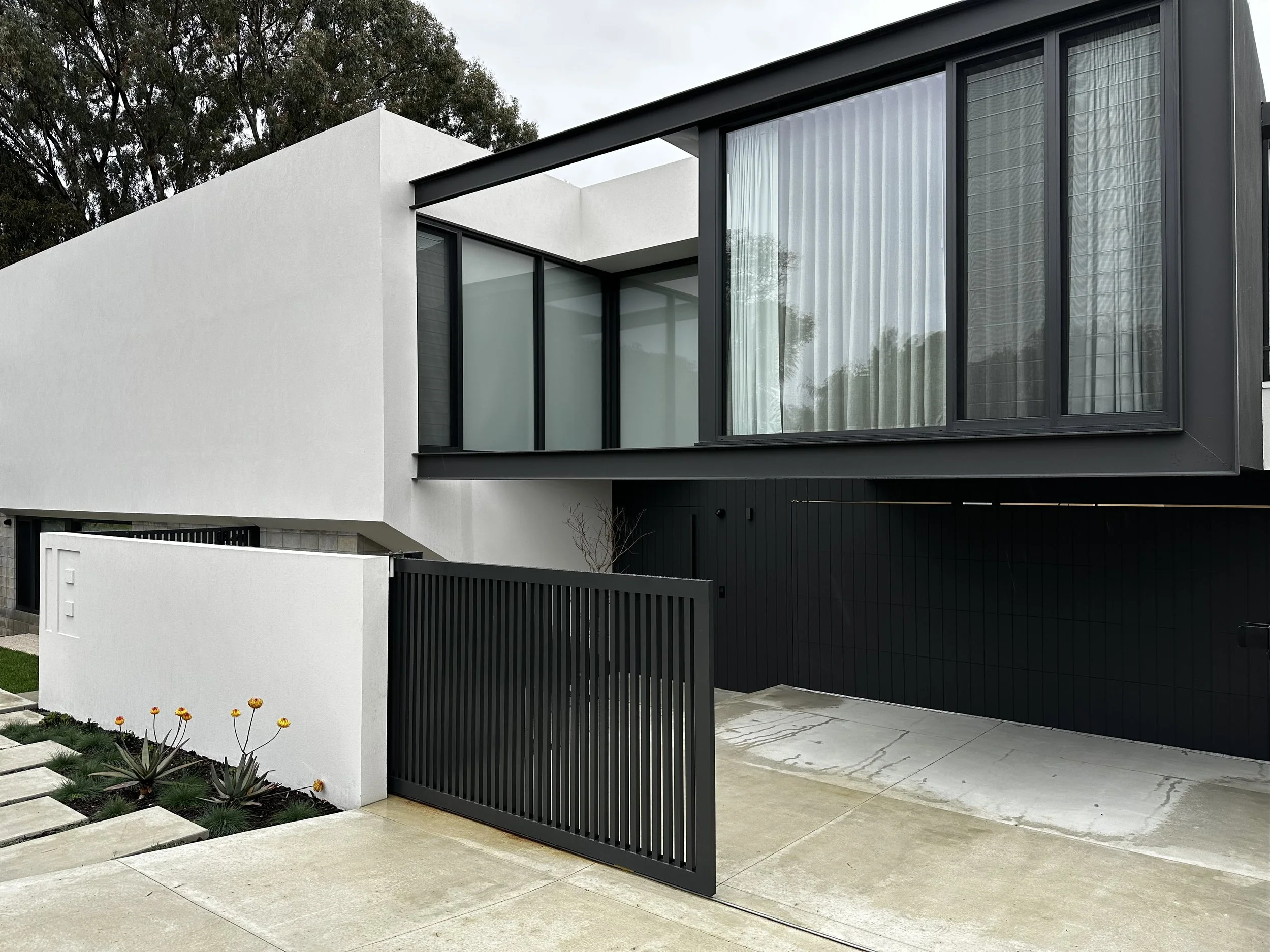
At our Attadale project, the entry gate can be operated both manually and through an app.
Consider how much control you want
Depending on how tech savvy you are, it’s also important to consider how much control you want as the end user. With some systems, major adjustments can’t be made without contacting support. If you do want more control, you may need to ensure you’re a certified operator.
Stay within one tech ecosystem
While there are some companies trying to improve compatibility between different smart home systems, many still don’t work well together. To avoid ending up with countless apps for different parts of your home, it’s worth choosing products that are from the same brand or have already been confirmed to work together.
Most importantly - future proof!
If you’re not yet sure whether you want to include smart home features—or you simply want to prepare for rapidly evolving technology—the biggest piece of advice we can offer is to future proof. This is comparatively affordable and involves building flexibility into your home now so that changes can be made later. While it’s impossible to plan for everything, there are a few things that can be done:
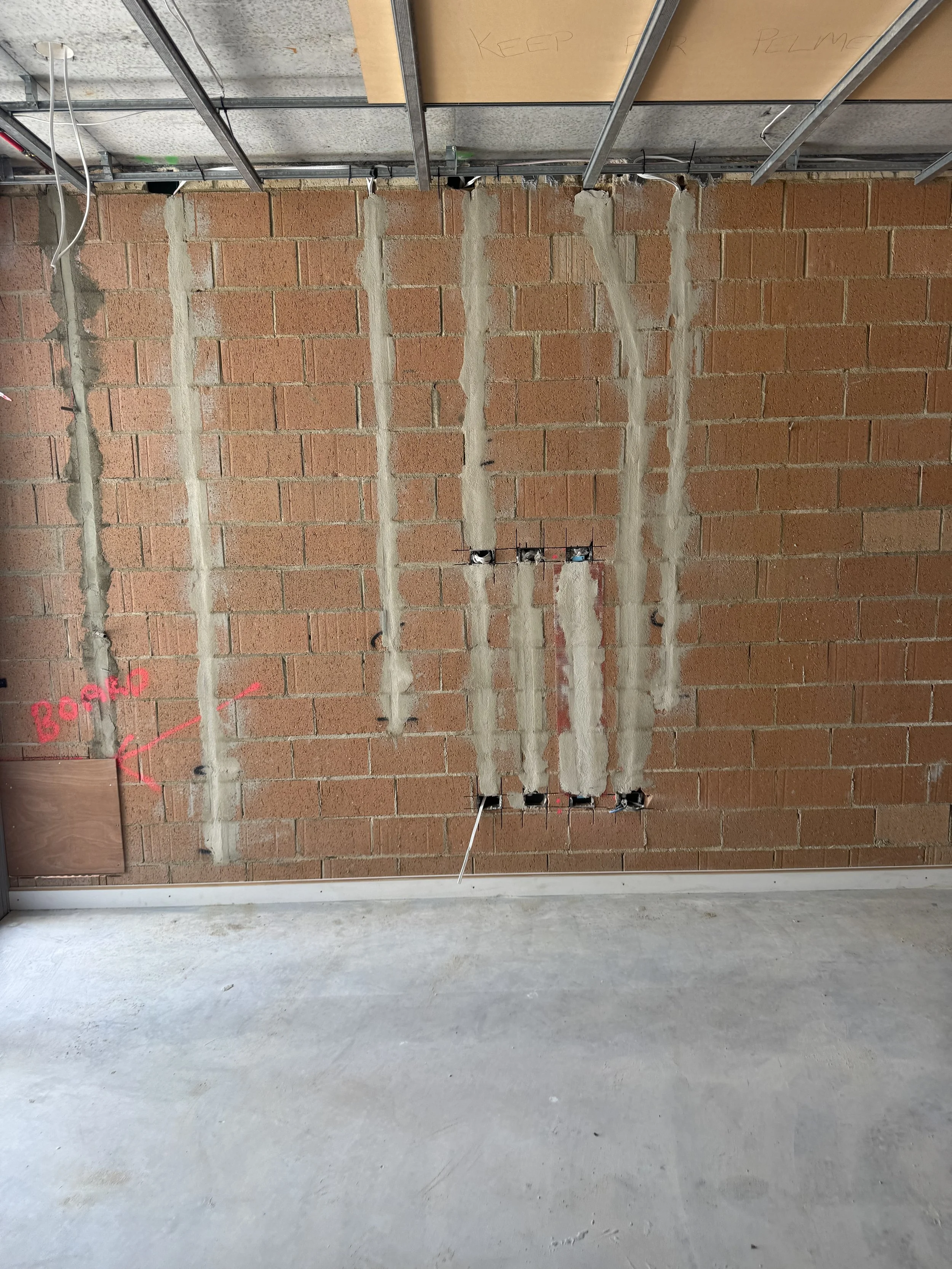
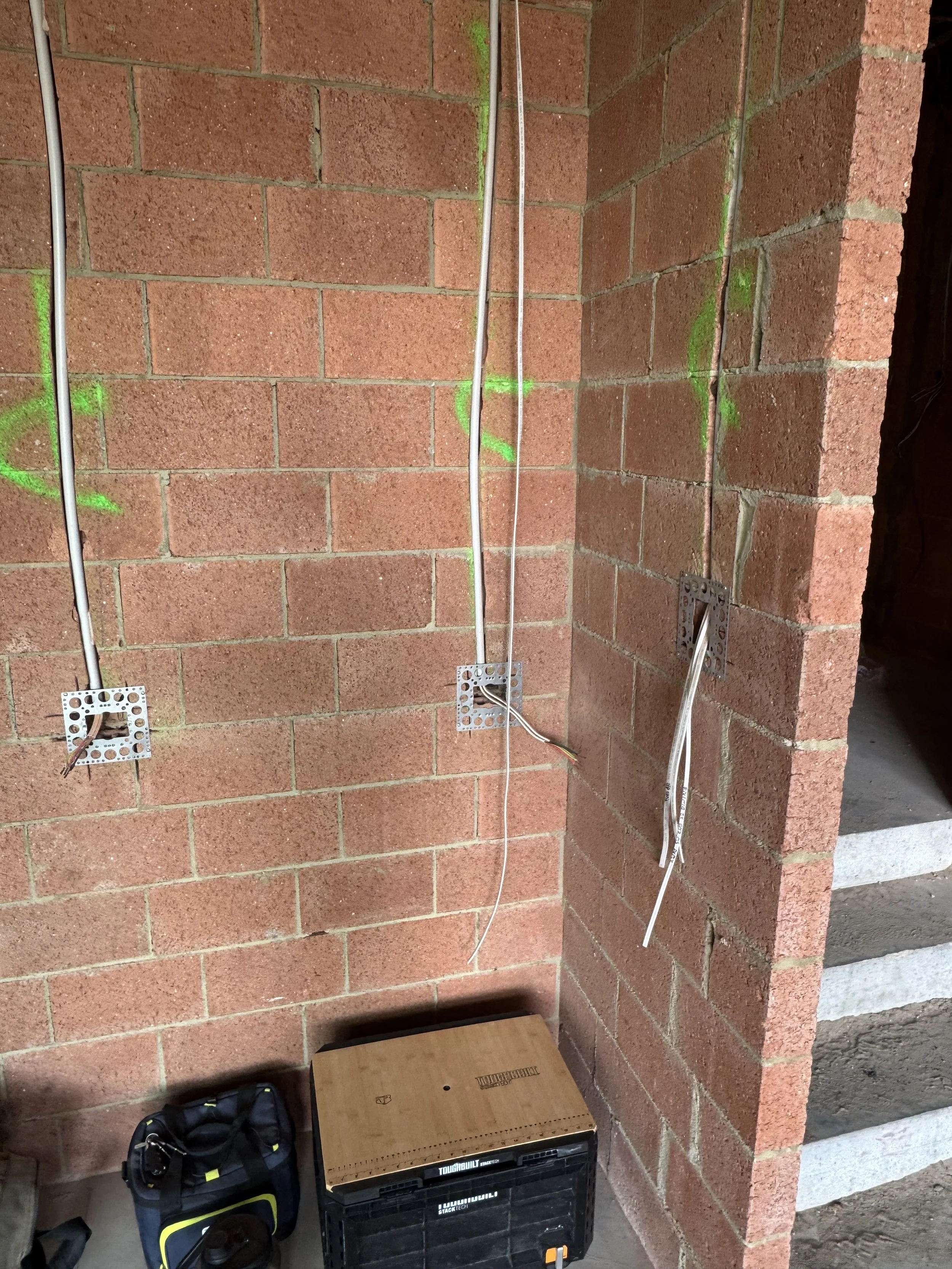
Cabling can be run through conduits instead of chased directly into the wall, so they’re easier to replace in future.
Similarly, deeper wall boxes can be installed behind switches and control points to leave room for other options down the line.
And, for windows, curtains or blinds, it can be a good idea to prioritise motorisation over fully ‘smart’ features. If you decide to add smart controls later, these can usually ‘piggyback’ off the motorisation system—although your options may be a little more limited.
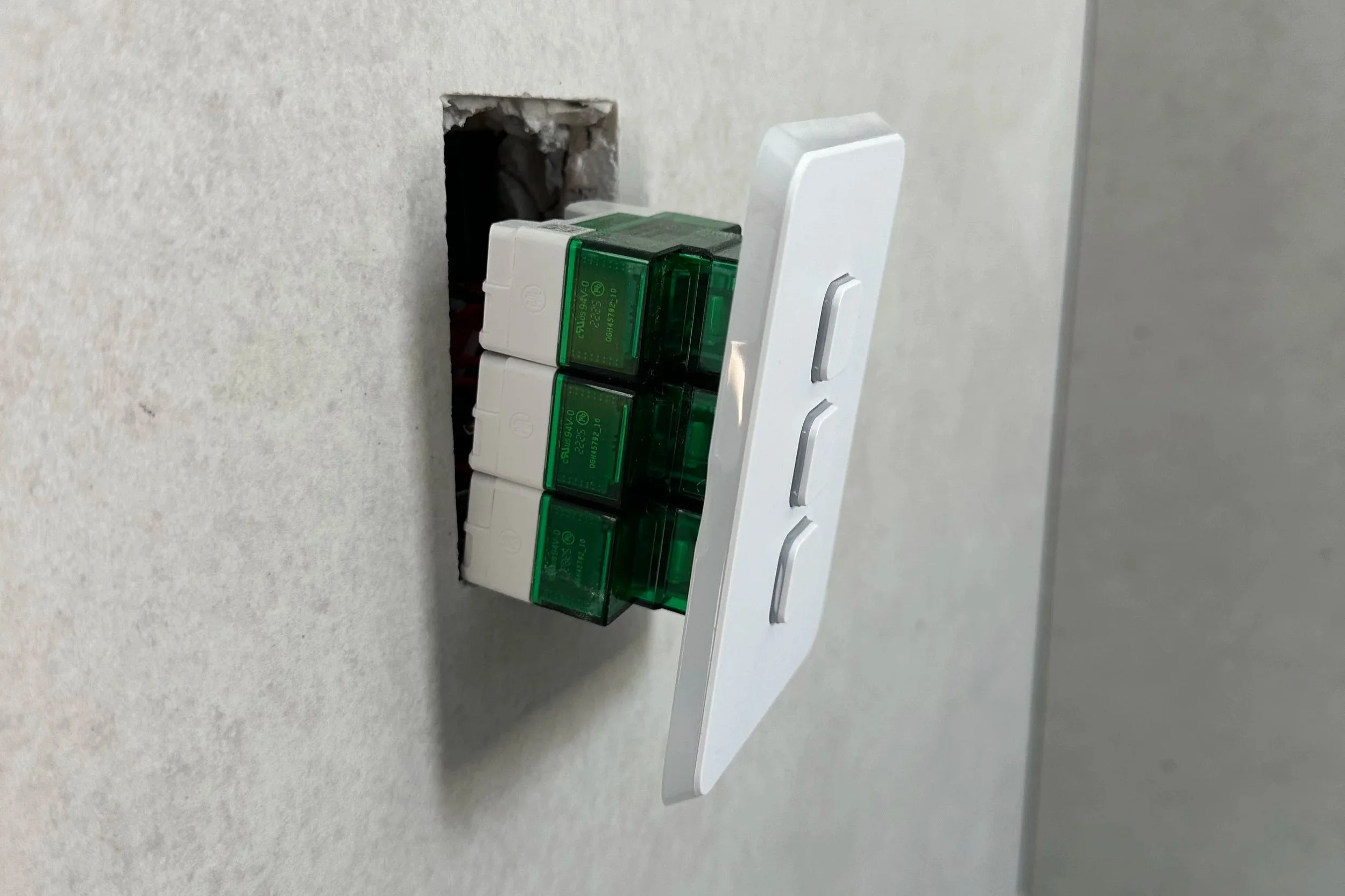
A smart light control box.
Keen to discuss smart home inclusions for your project, or have any other questions—get in touch!