

When planning to build or renovate a custom home, the typical route is to hire an architect and finalise the designs before engaging a builder. This makes sense; you need to design a home before you can start building it. But builders do a lot more than just construction—they are the primary contractor responsible for overseeing the entire project, and they have a lot of expertise that’s worth tapping into as early as possible. So, let’s look at some of the key benefits of involving a builder early.
BUDGET MANAGEMENT
One of the most significant benefits is that your builder can provide real-world cost estimates. While architects do aim to design to the budget, costing is not their area of expertise, and we often come across designs that are significantly over budget. Builders, on the other hand, are responsible for the construction methodology and, as such, are the ones that need to know how the designs will be executed—and how much they’re likely to cost. They also have easier access to current industry trends for more accurate material and labour costing.
With all this in mind, early engagement allows your builder to provide construction information and costing estimates throughout the design process. You and your architect can then use this information to adjust the design as it develops, significantly reducing the likelihood of a design that’s way over budget and needs to be redone. At Arklen, we also provide detailed price breakdowns so that if there is a budget blowout, it’s easier to identify where the most effective cost-savings can be found.
At one of our Kalamunda projects, for example, the initial design had a lot of masonry construction, with a reverse brick veneer of expensive concrete blockwork. When we reviewed the plans, we were able to provide feedback on the effect this had on the cost and thermal rating of the entire project. With this information, they instead opted for a light frame construction with Masterwall cladding, which was not only more affordable but also improved the home’s thermal performance.


ACCURATE COSTING BEFORE DA
Building on this, early builder engagement also allows you to get accurate costing before submitting your development application (DA). In a typical build, detailed costing is usually done after your DA has been approved. But, if those costs come back over budget (which is not uncommon), you’ll need to go back, redo the design and reapply for DA—which also involves additional application fees and can take another 60–90 days. By engaging a builder early, though, you can get more accurate costing and significantly reduce the likelihood this will happen. And, moving forward, you’ll also have the clarity you need to choose the rest of your selections within budget.
STREAMLINED DESIGN
Early engagement allows for a more efficient, streamlined design process. Instead of waiting to get construction advice until the plans are complete, a collaborative approach allows for small, calculated steps that keep things progressing smoothly.
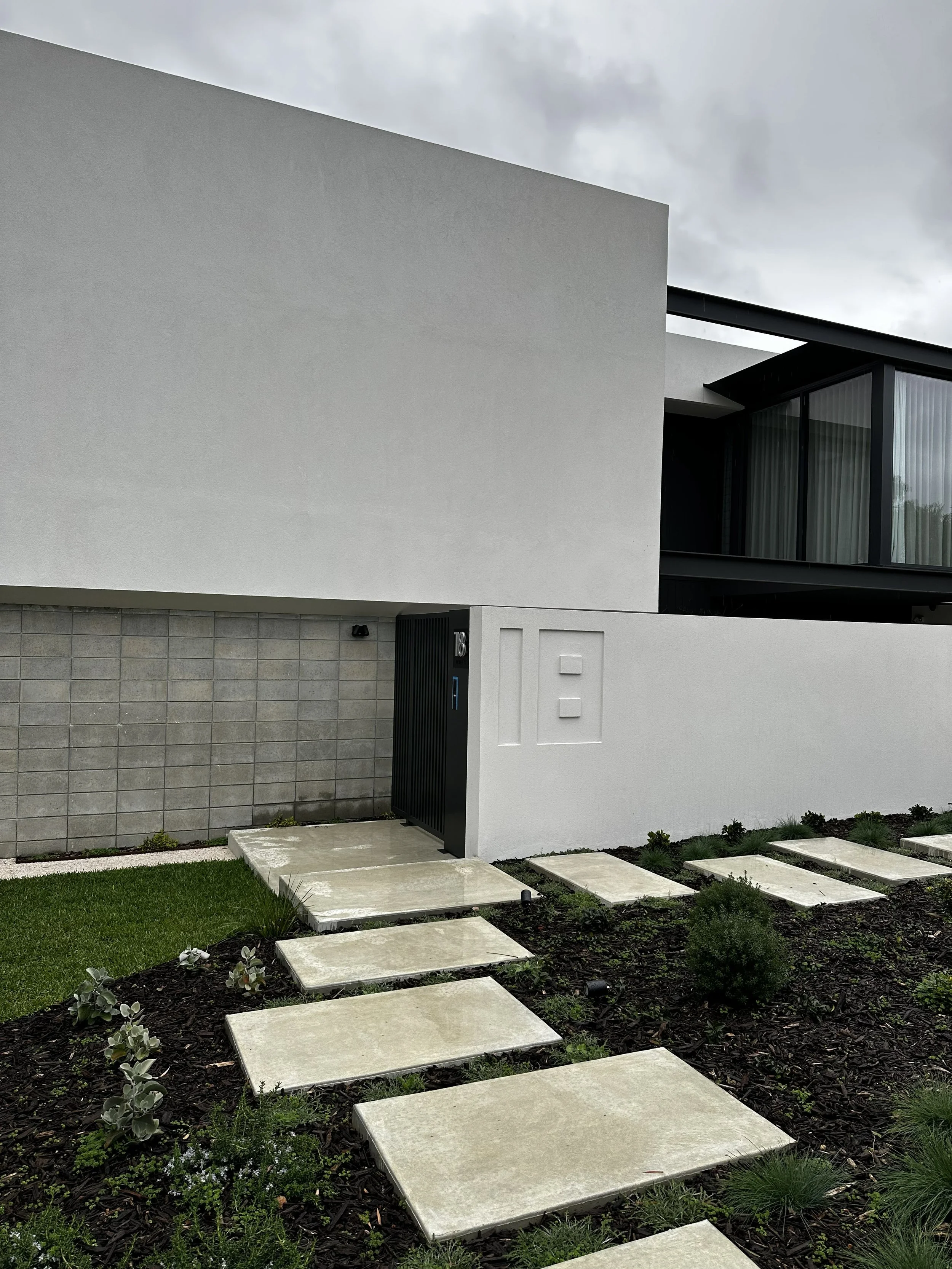
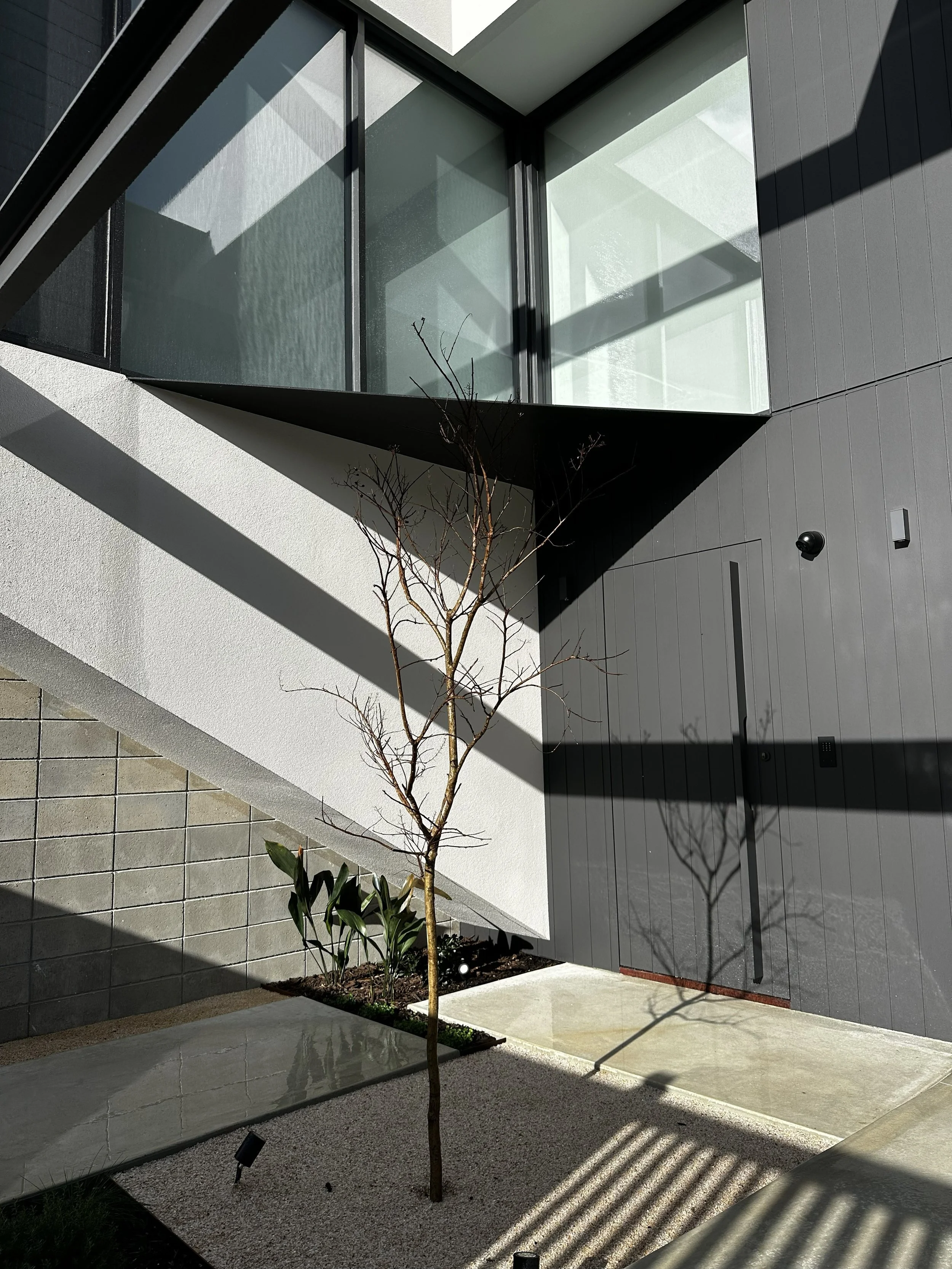
This can result in a relatively quick design stage. At a recent project in Rivervale, for example, early involvement meant we were able to get to the build permit stage in only 8 months. Timeframes will vary depending on the project, but this isn’t uncommon and it’s generally reasonable to expect a build permit within 8–10 months.
DURING THE ACTUAL BUILD
Early engagement can make for a more efficient build. With a streamlined design, timelines are often easier to predict and, as such, everyone can make sure they’re well prepared when it’s time to start the build. The builder can manage their workflows across different projects and avoid taking on too many clients. As for the client, they can make sure their financing is sorted, and, if they’re still living on the property, more accurately predict the best time to move out.
During construction, major unexpected changes are also less likely as many of the construction challenges will have been highlighted, and potentially solved, during the design. Additionally, builders that have been involved in the design stage will be significantly more familiar with the details of the project, giving them a better foundation to run the project as efficiently as possible.
WHAT EARLY ENGAGEMENT LOOKS LIKE IN PRACTICE
In practice, engaging a builder early in the design will likely result in a process that looks a little different to what you might expect. This will, most often, involve a lot of collaboration and back-and-forth communication, although exactly how this looks will vary depending on the dynamics between you, your architect and your builder. At Arklen, it’s important to note that we would never come in and completely change or dictate your design. Our role as a builder is simply to provide important insights that can inform the decisions you and your architect make.
In some situations, you may even wish to engage a builder before you’ve chosen your architect. In doing so, your builder can help you find the best architect for your project, whether by providing recommendations or helping with the interview process.
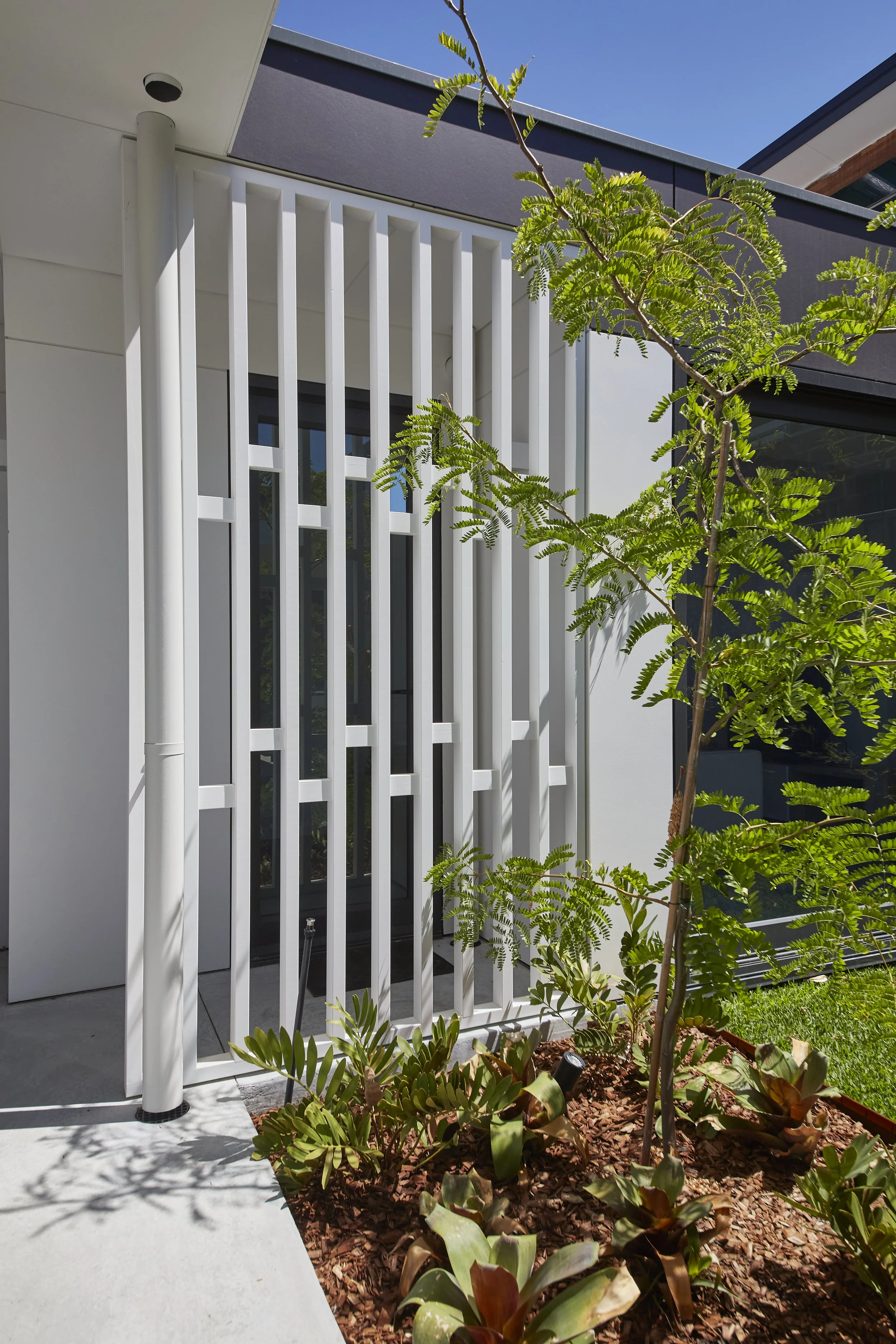
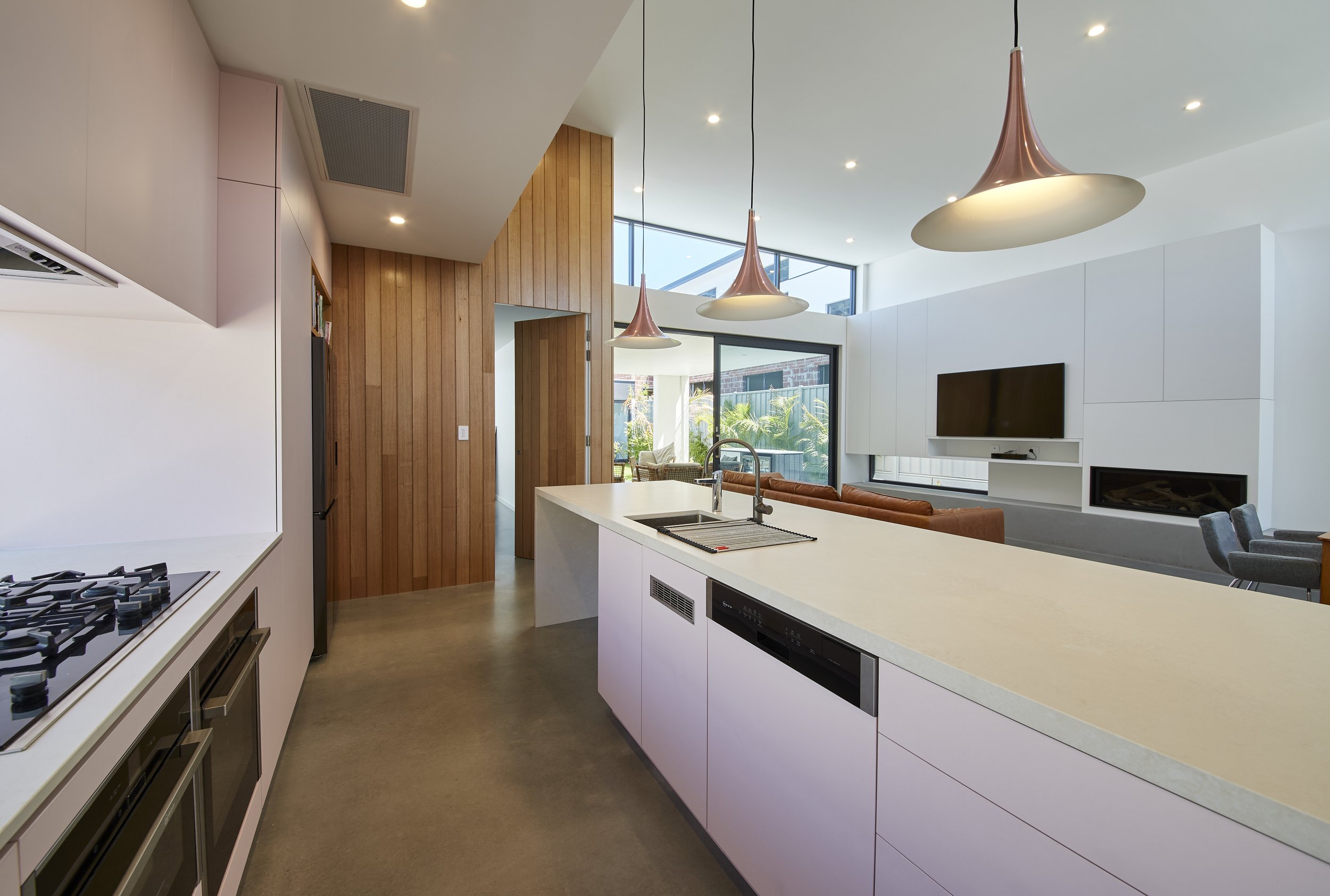
Early engagement can also involve the development of multiple concept designs (less detailed plans), something that we highly recommend. At our Salter Point project, for example, the architect developed two different concept designs: a two-storey design that would have been more expensive but given them a view; and a single-storey design with a private courtyard and self-contained studio. We were then able to cost both these designs so the clients could make a more informed decision between the two.

They ultimately opted for the single-storey option.
Ultimately, engaging a builder early in the design sets you up for a more informed, efficient process that can benefit your budget, design and build. If you’d like to learn more, or want to explore whether Arklen is the right builder for you (early engagement or not), get in touch!